Author: Luna Miller

  • How to Fix Your Gut for Good Women’s Health: Understanding the Hormone-Gut Connection

    Understanding the Unique Connection Between Women’s Hormones and Gut Health

    Hey there, fellow mamas! Remember those days when you’d feel totally bloated, moody, and just…off? For the longest time, I blamed it on my morning coffee or a late-night snack. But then I started noticing a pattern, especially around that time of the month. That’s when I stumbled onto something huge: figuring out how to fix your gut for good womens health isn’t just about what you eat. It’s deeply connected to our hormones, which are always doing their own dance throughout our lives—think monthly cycles, pregnancy, and even menopause. This whole hormonal rollercoaster can make our digestion feel totally out of whack and make those typical gut fixes less effective. So, let’s chat about how our unique female hormones influence our gut bugs and digestive system, and I’ll share some simple, practical steps I’ve learned to really support our gut health for women holistically.

    Hormones interacting with gut bacteria illustration
    Hormones interacting with gut bacteria illustration

    Okay, so let’s chat about this fascinating (and sometimes frustrating!) dance between our hormones and our bellies. This ‘hormone-gut connection’ is a big deal when we talk about gut health for women, and honestly, it’s something I feel gets overlooked way too often! Our estrogen and progesterone, those little powerhouses, directly chat with our gut bacteria and even affect how strong our gut lining is. Trust me, it’s pretty wild how they can change our digestion and even our immune system. I’ve learned that estrogen, for example, helps boost the good gut bugs that keep our gut barrier strong, while progesterone can affect how fast things move (or don’t move!) through our system and how our body responds to inflammation.

    Science-y folks have actually shown that during the menstrual cycle, when estrogen and progesterone levels bounce around, so does our gut bacteria. Ever noticed how you get super bloated in that ‘luteal phase’ when progesterone is high? Yep, that’s often because things are just slowing down in there. And oh, pregnancy? Nausea and constipation, anyone? My pregnancies were a total rollercoaster! Then menopause hits, and with less estrogen, our gut critters can get a bit less diverse, which can stir up inflammation and those annoying systemic symptoms. It’s a whole journey, isn’t it?

    Honestly, ladies, how many times have we just brushed off bloating, constipation, diarrhea, or tummy aches as ‘just how I am’ or ‘PMS’? It turns out these symptoms often wave a big flag, telling us they’re hormonally driven. And if we just try generic gut fixes without looking at those underlying hormone signals, we might just be spinning our wheels.

    This is why just trying a probiotic or a simple diet change might not be the whole answer for women’s gut health. If we don’t acknowledge what our hormones are up to, especially during big life changes like pregnancy or menopause, our efforts to fix our gut might just fall short.

    So, what’s a mama to do? My first tip, and it’s a game-changer, is to start tracking. Jot down your gut symptoms – bloating, tummy rumbling, anything – and see if they line up with your menstrual cycle, or if you’re in a new phase like pregnancy or menopause. It’s like being a detective for your own body, and it really helps personalize your approach to digestive health for women.

    Gut Health Factors Influenced by Female Hormones

    Table showing hormone effects on gut health
    Table showing hormone effects on gut health

    Here’s a little cheat sheet I found super helpful for understanding how our hormones can mess with our gut, and some simple steps we can take:

    HormoneEffect on Gut MicrobiomeCommon SymptomsSuggested Interventions
    EstrogenModulates gut bacteria diversityBloating, constipationIncrease fiber, probiotics
    ProgesteroneSlows gut motilityConstipation, discomfortHydration, regular exercise

    Mechanisms, Evaluation, and Management of Chronic Constipation.

    Symptoms vary among patients; straining, incomplete evacuation, and a sense of anorectal blockage are just as important as decreased stool frequency.

    Diet and Lifestyle Tips to Support Gut and Hormonal Health

    Healthy diet and lifestyle tips for gut health
    Healthy diet and lifestyle tips for gut health

    Beyond tracking, here are a few simple things I try to fold into my daily life. Remember, small steps!

    • Consume fermented foods daily: Think kimchi, sauerkraut, or a good quality yogurt. Your gut bugs will thank you!
    • Avoid high sugar intake: This one’s tough, but less sugar means less fuel for the not-so-good bacteria.
    • Manage stress through mindfulness: Stress messes with everything, including our gut. A few minutes of deep breathing or just noticing the world around you can make a big difference.

    In summary, ladies, our hormonal cycles are truly running the show when it comes to our gut health dynamics. Once we recognize this and start integrating these hormonal factors into how we manage our gut, we can finally develop effective, individualized strategies and genuinely improve our overall health outcomes. That’s truly how to fix your gut for good womens health!


    FAQ

    Q: How to restore women’s gut health?
    A: So, how do we get our gut health back on track as women? It’s all about finding that sweet spot for your gut bugs with good food and probiotics. But the secret sauce? Paying attention to our hormones! Track your cycle, listen to your body, and that’s how you start to tailor a plan that actually works.

    Q: What are the 4 R’s of gut repair?
    A: Ah, the ‘4 R’s’! I think of them like tidying up a messy playroom. First, you Remove the junk (harmful foods, toxins). Then, Replace what’s missing (like digestive enzymes, good nutrients). Next, you Reinoculate with good stuff (probiotics!). And finally, you Repair the walls (our gut lining) with nourishing foods. Simple, right?

    Q: What is the 7 day gut reset?
    A: The 7-day gut reset? Think of it like a mini spring clean for your insides! It’s basically a week where you really focus on eating clean, ditching anything that irritates your tummy, and loading up on foods that help your gut feel loved. It’s a great kickstart if you’re feeling sluggish!

    Q: What are the 3 F’s for gut health?
    A: The 3 F’s for a happy gut? Oh, I love this! It’s all about Fiber (think crunchy veggies and whole grains), Fermented foods (hello, kimchi!), and plenty of Fluids (water, water, water!). These three are like the foundational pillars for a healthy digestive system.

    Effects of dietary fibers or probiotics on functional constipation symptoms and roles of gut microbiota: a double-blinded randomized placebo trial.

    In conclusion, we found that the dietary fibers or probiotics may relieve hard stool, with intervention-specific changes in gut microbiota relevant to constipation relief.
  • My Journey to a Happy Tummy: A 7-Day Gut Reset Meal Plan & Tips for Feeling Great!

    My Journey to a Happy Tummy: A 7-Day Gut Reset Meal Plan & Tips for Feeling Great!

    Hey there, friends! It’s Luna, and let’s be real – who doesn’t want to feel better? Lately, making sure our guts are happy has become a big deal in our house. We’re all looking for ways to boost our digestion, balance that tiny universe inside us (you know, the microbiome!), and just generally feel awesome. This guide? It’s all about the effective strategies I’ve learned for a proper gut reset, complete with a detailed 7-day meal plan, simple hydration tips, and what I’ve found helpful with supplements. Whether you’re aiming to hit the reset button on your digestive system or gently rebuild your gut flora, understanding the right foods, timing, and daily habits is key to making those good feelings stick. It’s all about finding what makes your tummy smile!

    My Go-To Gut Reset Plans: Daily Schedules and Yummy Recipes

    When I first started looking into a gut reset, I felt a little overwhelmed, to be honest. It seemed like there was so much to know! But what I’ve learned is that an effective plan really comes down to thoughtful meal planning. This means focusing on gut-friendly foods, finding a rhythm with meal times, and getting our portion sizes just right. That’s why I love having precise daily schedules and recipes. They take the guesswork out of it and really help optimize our digestive health!

    My Family’s 7-Day Gut Reset Meal Plan Overview

    7-day gut reset meal plan chart
    7-day gut reset meal plan chart

    Okay, so here’s the nitty-gritty: I’ve put together a structured 7-day meal plan that includes breakfast, lunch, dinner, and snacks each day. It’s designed to pack in all those good prebiotic and probiotic ingredients our gut microbiome just loves. Each day, we focus on different sources of fiber, yummy fermented foods, and ingredients that help calm any inflammation.

    DayBreakfastLunchDinnerSnacksKey Nutrients
    1Greek yogurt with chia seeds and blueberriesQuinoa salad with chickpeas, cucumber, and kefir dressingGrilled salmon with steamed asparagus and sweet potatoApple slices with almond butterProbiotics, fiber, omega-3 fatty acids
    2Oatmeal with flaxseed and bananaLentil soup with carrots and garlicStir-fried tempeh with broccoli and brown riceKombucha and walnutsPrebiotics, protein, antioxidants

    Meal Timing and Portion Guidelines

    Meal timing and portion control for gut health
    Meal timing and portion control for gut health

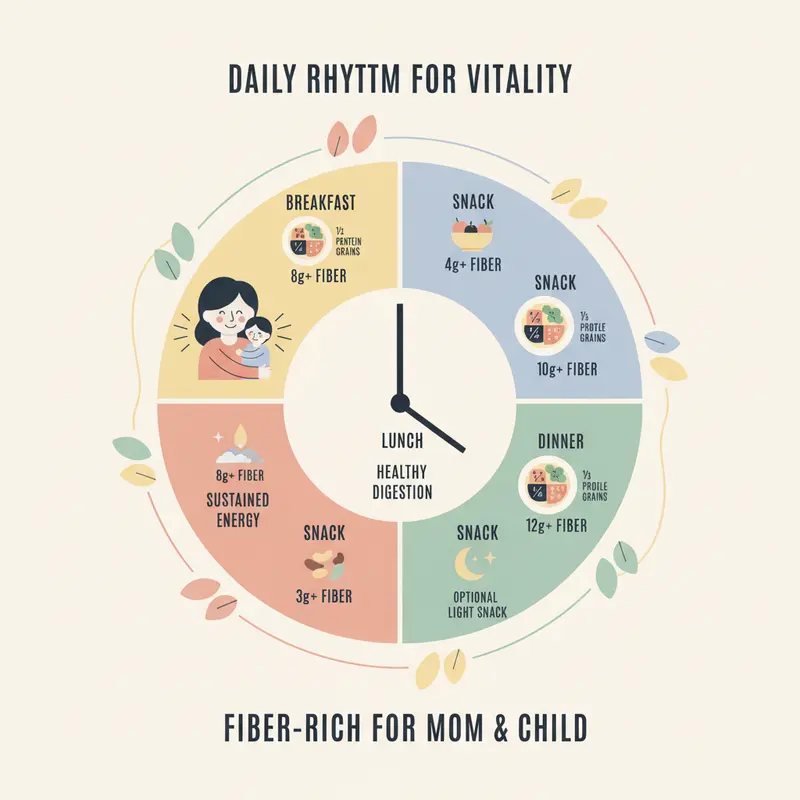
    It’s not just what we eat, but when and how much that really helps our gut health. I try to space our meals every 3-4 hours. This helps prevent our gut from getting “overfed” and keeps our energy steady – which, as a mom, is totally essential! Portion sizes are flexible, designed to fit what our bodies need, aiming for about 20-30 grams of fiber daily.

    Hydration and Supplements

    Water and supplements for gut health
    Water and supplements for gut health

    And water! Oh my goodness, hydration is a game-changer. I aim for at least 2 liters of water daily; it’s like a gentle flush for your system, helping with digestion and getting rid of all the stuff our bodies don’t need. I’ve also found that a little extra help, like a good broad-spectrum probiotic and maybe some digestive enzymes, can make a real difference, especially during a gut reset.

    Recipe Design and Dietary Adjustments

    The recipes in this plan are designed to make your gut happy! They’re full of prebiotic fibers (think garlic, onions, asparagus – yum!) and probiotic-rich ingredients like yogurt, kefir, and tempeh. And don’t worry, we always keep common dietary needs in mind. If you’re gluten-free, we swap in grains like quinoa. If you prefer plant-based proteins, those are super easy to sub in too!

    What I’ve Learned (No Science Degree Needed!):

    Now, I’m not a scientist, but what I did learn from my deep dives (and talking to some super smart folks!) is that these kinds of plans really do help. My own experience, and what I’ve heard from friends, is that you can actually feel a difference in things like bloating and digestion after even just a week. It makes sense – these recipes are packed with all the good stuff our gut needs to thrive! It truly promotes the growth of those beneficial gut buddies.

    Compliance Tips and Modifications

    Let’s be real, life gets busy. Sticking to a gut reset takes a little planning, but it’s totally doable! I find using a simple checklist for essentials – like making sure we have fermented foods, a good variety of veggies, and fiber-rich snacks – really helps us stay on track. And for those of us with sensitive tummies, I’ve learned it’s best to introduce new fibers and fermented foods slowly. No need to rush it!


    A Little Sneak Peek: My Sample 7-Day Gut Reset Meal Plan

    DayBreakfastLunchDinnerSnacks
    Day 1Oatmeal with berriesGrilled chicken saladSteamed vegetables with quinoaAlmonds and apple slices

    Think of this as your friendly guide to kickstart your gut reset week. You got this!


    My Essential Gut Reset Tips

    • Stay hydrated throughout the day – water, water, water!
    • Include fermented foods daily; they’re like tiny helpers for your gut.
    • Avoid processed sugars and artificial sweeteners – your gut will thank you.
    • Consider probiotic-rich supplements, especially if your doctor or nutritionist agrees.

    These little habits really add up to make your gut reset a success. Small steps, big impact!


    So, there you have it! Getting your gut health back on track doesn’t have to be complicated. It’s all about giving your body some love with good food, plenty of water, and maybe a little probiotic boost. Trust me, when your gut is happy, you’ll feel happier, too. It’s like tending to a little garden inside you, and it’s totally worth it for that amazing energy and feeling of better digestive health!

    FAQ: Questions I Had (and You Might Too!)

    Okay, so I know you probably have a million questions, just like I did when I started. Here are some common ones that pop up when you’re thinking about a gut reset:

    Q: How do I completely reset my gut?
    A: Completely resetting your gut involves a combination of dietary changes. This means adopting a gut-friendly meal plan rich in prebiotics and probiotics, timing your meals to avoid overfeeding, staying super hydrated, and possibly using supplements like probiotics and digestive enzymes.

    Q: What are the 5 R’s of gut healing?
    A: The 5 R’s typically refer to Remove (irritants), Replace (digestive factors), Repair (gut lining), Rebalance (microbiome), and Re-inoculate (probiotics).

    Q: What is the best way to flush out your gut?
    A: Flushing out your gut safely involves consuming fiber-rich foods, increasing your water intake, and sometimes following guided detox plans that focus on whole foods and fermented items to help your body naturally eliminate toxins.

    Q: What is Dr. Gina Sam selling?
    A: Dr. Gina Sam is known for products related to gut health and detox programs designed to support digestive wellness. She focuses on natural and scientifically backed ingredients.

  • How to Clean Your Gut Naturally: Easy Home Remedies & Tips

    How to Clean Your Gut Naturally: Easy Home Remedies & Tips

    Oh, gut health! Let’s be real, who hasn’t felt that sluggish, “ugh” feeling after a big meal or just, you know, life? As a busy mom in Portland, I’ve been there. My kids are always on the go, and sometimes my own body feels like it’s running on fumes. That’s why I’ve become obsessed with finding simple, natural ways to keep our family’s tummies happy and healthy. If you’re wondering how to clean your gut without fancy-schmancy diets, trust me, you’re in the right place. We’re talking about easy home remedies that actually fit into a crazy schedule and help boost your digestion naturally.

    Easy Home Remedies to Help You Clean Your Gut Today

    Okay, so I’ve tried a bunch of things on our journey to better gut health. And guess what? The best solutions are usually the simplest ones, right in your kitchen! We’re talking about totally natural, home-based remedies that are super easy to whip up. No crazy ingredients, just everyday stuff that really helps you clean your gut gently and effectively.

    Four natural gut cleansing drinks ingredients
    Four natural gut cleansing drinks ingredients

    My Favorite DIY Gut Cleansing Drinks & Why They Work:

    1. Lemon-Ginger Detox Drink: This is a lifesaver for me! Just warm water, fresh lemon juice, and a little grated ginger. The lemon’s citric acid helps get things moving, aiding in fat digestion. Meanwhile, ginger is amazing for soothing upset tummies and calming things down, plus it helps keep everything flowing smoothly.
    2. Apple Cider Vinegar (ACV) Tonic: Apple cider vinegar might sound a bit intense, but just a tablespoon or two mixed with water (and a little honey for taste!) can really help balance your gut’s pH. It’s like a friendly handshake for your good bacteria!
    3. Aloe Vera Juice: A quarter cup of diluted aloe vera juice is my secret weapon for a truly unhappy tummy. It’s super soothing for the digestive tract and feels like a big hug for your insides, helping with healing.
    4. Green Tea and Peppermint Infusion: I love a good cup of tea, and green tea with peppermint is a double-whammy. Both are packed with antioxidants and compounds that relax those tummy muscles, helping to reduce bloating. Ahhh, relief!

    Whipping Them Up (and When to Drink Them):
    The best part? These aren’t complicated recipes. We’re talking minimal prep time – usually under five minutes! Each recipe uses stuff you probably already have. I aim for one or two servings a day, especially before meals. It just gives my digestion a little head start.

    Don’t Forget Your Food, Mama!
    While we’re at it, let’s talk food! Pairing these drinks with plenty of fiber – think yummy fruits, veggies, and whole grains – makes a huge difference. These support your natural gut flora and keep things regular. And don’t forget probiotics! A little yogurt or some fermented foods are like sending in the good guys to your gut garden.

    A Quick Word on Safety:
    Now, a quick friendly reminder: even natural remedies can be a bit much if you overdo it. Start small, listen to your body. Sometimes, things like heartburn or a little extra bathroom time can happen if you jump in too fast. If you’re pregnant or have any medical conditions, definitely chat with your doctor first. Better safe than sorry, right?

    Making It Part of Your Day:
    My trick? Pick one drink and make it part of your morning or evening ritual. Maybe a lemon-ginger detox to start the day, or aloe vera before bed. Pair it with balanced meals and remember to drink plenty of water. Consistency is key here, friends. Keep at it for a few weeks, and you’ll really feel your gut get happier and more balanced.

    To Sum It Up:
    So, to sum it up, giving your gut some love with lemon, ginger, ACV, aloe vera, and green tea is totally doable and effective. It’s about taking small, simple steps to improve your digestion and detox your body naturally, without breaking the bank or stressing yourself out. You’ve got this!


    Common Home Remedies for Gut Cleansing

    Table of home remedies for gut health
    Table of home remedies for gut health

    Here’s a quick peek at some other awesome things that support a healthy gut, beyond just the drinks:

    RemedyDescriptionTypical DurationEffectiveness Notes
    Fiber-rich foodsIncrease dietary fiber including fruits, vegetables, and whole grainsOngoingPromotes bowel regularity and toxin elimination
    HydrationDrink at least 8–10 glasses of water dailyOngoingHelps soften stool and supports digestive enzymes
    ProbioticsConsume yogurt or supplements with live culturesSeveral weeksMay improve gut flora balance and digestion

    Gentle Reminders: Precautions When Trying Home Gut Cleansing

    Just a few more tips from one mom to another, to keep things safe and sound:

    • Avoid excessive laxative use
    • Do not replace medical treatment with cleansing
    • Consult healthcare provider if symptoms persist
    • Start with small dietary changes
    • Ensure adequate hydration

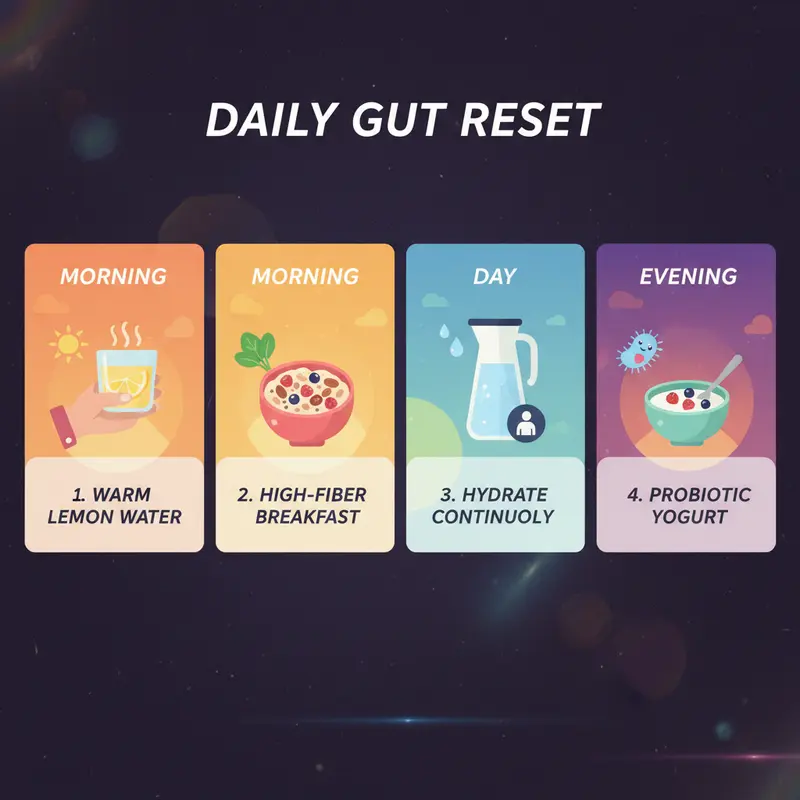
    A Sample Gut Cleansing Routine at Home

    Daily gut cleansing routine steps
    Daily gut cleansing routine steps

    Want to see how it all fits together? Here’s a little routine I’ve found really helpful:

    StepActionTime of Day
    1Drink warm lemon waterMorning
    2Eat high-fiber breakfastMorning
    3Hydrate throughout the dayAll day
    4Consume probiotic yogurtEvening

    By following these simple steps, you really can tackle how to clean your gut naturally and help your whole family feel amazing. It’s not about perfection, but about making healthy choices that stick!


    Frequently Asked Questions

    Q: How do you detox your gut?
    A: Think of it like tending a garden! To truly detox your gut, you want to fill it with good stuff: lots of fiber, plenty of water, and those friendly probiotics. Then, add in those natural cleansing drinks we talked about, like lemon-ginger or apple cider vinegar. It’s all about gentle support!

    Q: How can I detox my gut in 3 days?
    A: Let’s be real, a quick fix is tough, but you can definitely give your gut a jumpstart in just a few days! Focus on chugging water, eating fiber-packed meals, and sipping those cleansing drinks like lemon water or aloe vera. And try to ditch the processed foods for a bit – your tummy will thank you!

    Q: What drink cleans the gut?
    A: My go-to drinks for a happy gut are definitely the lemon-ginger detox water, that apple cider vinegar tonic, soothing aloe vera juice, and even just a warm green tea with peppermint. They all have their own superpowers to help clean your gut naturally!

    Q: How do I flush everything out of my stomach?
    A: You know, instead of thinking about ‘flushing everything out,’ which can sound a bit harsh, let’s focus on gently supporting your digestive system! Lots of water, good fiber, and those natural cleansing drinks can help move things along and support a healthy detox. Avoid anything too strong, because gentle and natural is always the safest and kindest way to treat your body.

  • Natural Probiotics for Pregnancy: My Little Secret for a Happier Gut (and Baby!)

    Natural Probiotics for Pregnancy: My Little Secret for a Happier Gut (and Baby!)

    Whew, pregnancy! It’s such a wild, beautiful ride, isn’t it? One minute you’re glowing, the next you’re wondering if you’ll ever feel “normal” again. As a mom in Portland, I’ve learned that taking care of myself isn’t just about me anymore – it’s about growing my little sprout. And let’s be real, a happy mama means a happier baby! That’s where natural probiotics for pregnancy have really shined for me. They’ve become a secret weapon, not just for keeping my digestion on track, but for feeling better overall and supporting my baby’s journey too. Let’s chat about why these friendly helpers are such a game-changer for us expecting mamas.

    Let’s Get Real About Our Gut (and Baby’s!)

    Healthy gut bacteria illustration with baby silhouette
    Healthy gut bacteria illustration with baby silhouette

    So, what exactly are natural probiotics? Think of them as tiny, friendly helpers – live microorganisms that do wonders for our health when we eat enough of them. During pregnancy, these good bugs become super important. They help keep our gut balanced, boost our immune system, and can even gently influence our baby’s development. It’s wild, right? Beyond just helping us digest food, these probiotics help create a thriving inner garden in our bellies, which can impact big things like the risk of gestational diabetes, preeclampsia, and even early births.

    The smart folks in white coats have actually done some serious digging on this! I’ve learned from studies that specific probiotic strains, like Lactobacillus rhamnosus and Bifidobacterium lactis, can make a real difference. They’ve been shown to potentially lower the chances of our little ones getting eczema or allergies, and they can even help with mama’s blood sugar. Another big review of over 20 studies confirmed that these strains can reduce the risk of gestational diabetes and strengthen our gut barrier, all without any weird side effects. Even big organizations like the WHO and ACOG say that well-studied probiotic strains are generally safe during pregnancy, which gives me so much peace of mind!

    These probiotics basically work their magic by making our gut happier and stronger. When our gut has a good mix of microbes, it helps calm down inflammation, makes sure we’re soaking up all those important nutrients, and keeps our immune system balanced – all super critical during pregnancy! This can mean fewer inflammatory markers often linked to preeclampsia and possibly lower risks of those tricky infections that can sometimes trigger early labor. Plus, what we take in during pregnancy can actually “prime” our baby’s immunity, passing on those good vibes during birth and breastfeeding. How cool is that?

    Now, a word to the wise: not all probiotics are created equal, trust me. Safety is super important here! What’s safe really depends on the specific strain, how much you take, and your own health. Regulatory bodies are always reminding us to look for strains with actual clinical evidence – we want the good stuff! And while I love my fermented foods (hello, yogurt!), clinical data shows that targeted probiotic supplements offer specific benefits that our everyday diet alone might not achieve. So, no, they don’t cause infections, and yes, sometimes a little extra help is a good thing!

    I always tell my pregnant friends (and you too!): chat with your doctor or healthcare provider first! They can help you pick the right probiotic strains that have been truly validated for safety and efficacy. The ones I kept hearing about and that align with current guidelines are Lactobacillus rhamnosus GG, Bifidobacterium lactis Bb12, and Lactobacillus acidophilus. These are the rockstars!

    Common Natural Probiotic Foods Suitable for Pregnancy

    Various probiotic-rich foods on a table
    Various probiotic-rich foods on a table

    Beyond supplements, there are some delicious ways to get those good bugs in! These natural probiotic-rich foods are a safe and yummy way to support your gut health during pregnancy, and they work beautifully alongside any supplements you might be taking.

    Food NameType of ProbioticHealth BenefitRecommended Serving Size
    YogurtLactobacillusImproves digestion and immune support1 cup daily

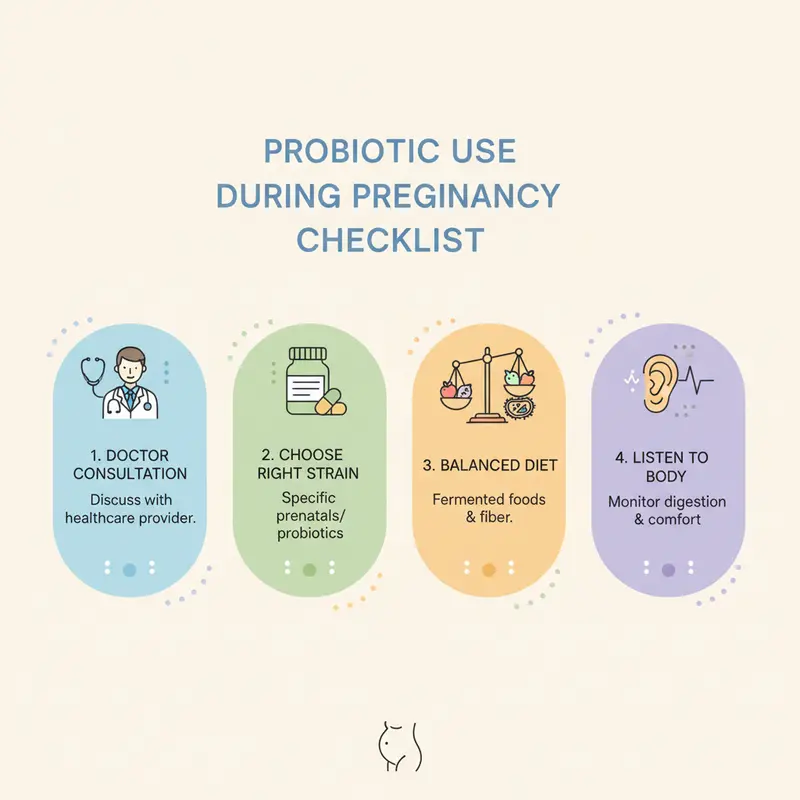
    My Personal Checklist for Taking Natural Probiotics During Pregnancy

    Checklist with pregnancy and probiotic icons
    Checklist with pregnancy and probiotic icons
    • Chat with your doctor: Always, always talk to your healthcare provider before starting anything new. Peace of mind is priceless!
    • Pick wisely: Go for strains that have actual clinical evidence backing their safety and effectiveness during pregnancy.
    • Keep it balanced: Steer clear of super high-dose or unregulated probiotic products. We want safe and steady, not extreme!
    • Listen to your body: If anything feels off or unusual, definitely give your doctor a call right away.

    Understanding a little bit of the why behind natural probiotics really helps us mamas make smart choices. It’s all about promoting the best possible health for both us and our sweet little ones!

    Conclusion

    So there you have it! Natural probiotics offer a really safe, scientifically backed way to boost your digestion and immune system during pregnancy. By choosing those well-studied strains and enjoying natural probiotic-rich foods, us expecting mamas can genuinely improve our pregnancy journey and set our babies up for a healthier future. Remember, a quick chat with your healthcare provider will make sure your probiotic use is just right for you and your little one, perfectly aligning with our natural, health-conscious goals.

    FAQ

    What is a good probiotic to take while pregnant?
    From what I’ve learned, strains like Lactobacillus rhamnosus GG, Bifidobacterium lactis Bb12, and Lactobacillus acidophilus are often recommended because they’re safe and have proven benefits.

    What fruit has the most probiotics?
    Interestingly, fruits themselves usually contain prebiotics (food for probiotics) rather than probiotics. For natural probiotics, you’ll want to reach for fermented foods like yogurt and kefir!

    Can I take probiotics and prenatals together?
    Generally, yes! Probiotics usually play nice with prenatal vitamins. But, for timing and specific products, it’s always best to check in with your healthcare provider.

    Is it safe to have probiotics during pregnancy?
    Absolutely! When you stick to well-researched strains and recommended dosages, major health organizations consider probiotics safe and truly beneficial during pregnancy.

  • My Personal Quest: Decoding Sugar-Free Probiotics for a Happy Gut (And How We Found Our Favorites!)

    My Personal Quest: Decoding Sugar-Free Probiotics for a Happy Gut (And How We Found Our Favorites!)

    Let’s be real, trying to keep our family healthy can feel like a full-time job, right? Especially when you’re trying to cut down on sugar but still want to make sure everyone’s gut is happy and thriving. For me, that’s where the hunt for the perfect sugar-free probiotic began. I wanted all the amazing gut health benefits—those wonderful beneficial bacteria working their magic—without any unnecessary sugar crashes or hidden nasties. If you’re like me, trying to manage blood sugar or just aiming for cleaner nutrition, you know how tricky it can be to find the right balance.

    Finding a good sugar-free probiotic means combining those fantastic gut-friendly bacteria with sweeteners that won’t send blood sugar levels soaring. Trust me, I’ve done a lot of label reading in the grocery store aisles! In this little guide, I want to share what I’ve learned about the common sweeteners hiding in these products, how safe they are, and my personal tips for picking a sugar-free probiotic that truly fits your family’s needs.

    Let’s Talk Sweeteners: What’s Really in Our Sugar-Free Probiotics (And Are They Safe for Our Guts?)

    Various sweeteners in sugar-free probiotics
    Various sweeteners in sugar-free probiotics

    When I first started diving into the world of sugar-free probiotics, I realized understanding the sweeteners was a huge piece of the puzzle. Especially if you or someone in your family has sensitivities or health conditions like diabetes, knowing what you’re putting into your body is essential. These products often use both artificial and natural sweeteners to make them taste good, all while trying to keep us healthy.

    So, what are these mysterious sweet things? We often see stevia, erythritol, and sucralose on the labels of sugar-free probiotics. Stevia, my personal favorite, comes from the Stevia rebaudiana plant. It’s a natural sweetener with zero calories and barely touches blood sugar. Then there’s erythritol, a sugar alcohol that tastes similar to sugar but has a super low glycemic index. Our bodies largely pass it through without absorbing much, which keeps the calorie count low. And finally, sucralose, an artificial sweetener that’s incredibly sweet—about 600 times sweeter than sugar! It’s super stable, which makes it popular in many probiotic formulations.

    Now, for the big question: are these even safe? The good news is, big organizations like the FDA and EFSA generally give these sweeteners a “generally recognized as safe” (GRAS) stamp of approval. Studies suggest that stevia and erythritol usually don’t cause many side effects. Sucralose, however, still has some experts looking into its long-term effects on our gut microbes. For folks with sensitivities, or if you’re managing blood sugar, erythritol and stevia are often preferred because they have such a minimal impact on glucose. Some people, myself included, have found sucralose can sometimes cause a little digestive upset.

    Let’s be real, reading labels can feel like a chore, but it’s so important! I always tell my friends to look for brands that aren’t shy about what they put in there. High-quality products should clearly list all their sweeteners. This transparency lets us make informed choices, avoid potential triggers, and pick the sugar-free probiotic that aligns with our personal health goals.

    Here’s a little tidbit I learned on my journey: Believe it or not, the sweeteners aren’t just for taste! Some, like erythritol, actually help those good beneficial bacteria stay alive and kicking, which is pretty cool. On the flip side, some artificial sweeteners, depending on their chemical makeup, might actually interfere with how well our probiotics work or even mess with our delicate gut microbiome balance. It’s a balancing act, for sure!

    So, what’s the takeaway? For me, it boils down to being a bit of a detective. I really try to pick sugar-free probiotics that use natural sweeteners with established safety records and a good track record with those beneficial bacteria. This ingredient-level understanding empowers us to make better decisions, ensuring we get all the good without compromising our overall health.

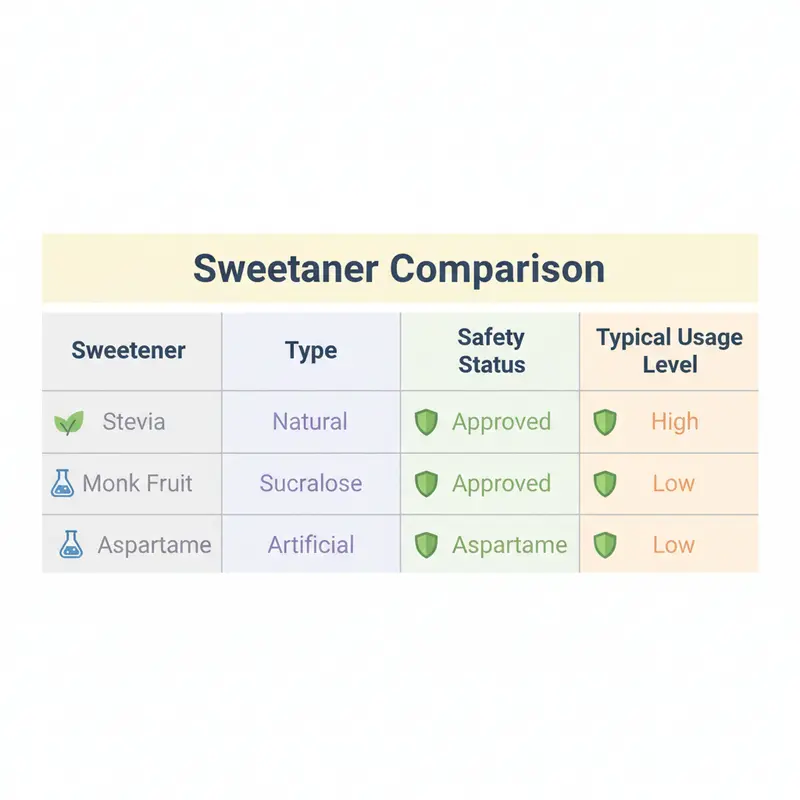
    Table comparing sweeteners for probiotics
    Table comparing sweeteners for probiotics
    SweetenerType (Artificial/Natural)Safety StatusTypical Usage Level
    SucraloseArtificialFDA-Approved GRAS<5% by weight
    Grocery aisle with probiotic supplements
    Grocery aisle with probiotic supplements

    When I’m standing in the grocery aisle, here’s my mental checklist for picking out the best sugar-free probiotic for our family. It helps me stay focused and not get overwhelmed!

    Check for FDA GRAS sweetener status: Is it generally considered safe?

    Verify absence of sugar: This sounds obvious, but sometimes “sugar-free” can be sneaky!

    Confirm probiotic CFU count: Are there enough good guys to actually make a difference?

    Review potential allergens: Especially important with kids!

    * Consider preservatives and additives: The simpler, the better, in my book.

  • How to Ferment Vegetables for Probiotics: Step-by-Step Home Guide

    How to Ferment Vegetables for Probiotics: Step-by-Step Home Guide

    Okay, so you know how we’re all trying to eat better and keep our guts happy? For our family, learning how to ferment vegetables for probiotics right here at home has been a total game-changer. It’s this old-school, tried-and-true method that just fills our fridge with amazing, probiotic-rich foods. Trust me, whether you’re a super busy professional or, like me, just a home cook trying to figure things out, diving into homemade fermentation is such a delicious way to give your immune system a little hug. So, let’s get into it! I’ll walk you through my simple steps to ferment vegetables safely and effectively. We want all those good-for-you benefits, right?

    Step-by-Step Guide to Fermenting Vegetables at Home for Maximum Probiotics

    Okay, let’s be real: when we’re trying to get the most out of our homemade fermented vegetables and really boost those probiotics, every little step counts. I’ve learned this the hard way! So, we’ll go from picking out our veggies all the way to making sure everything’s super safe.

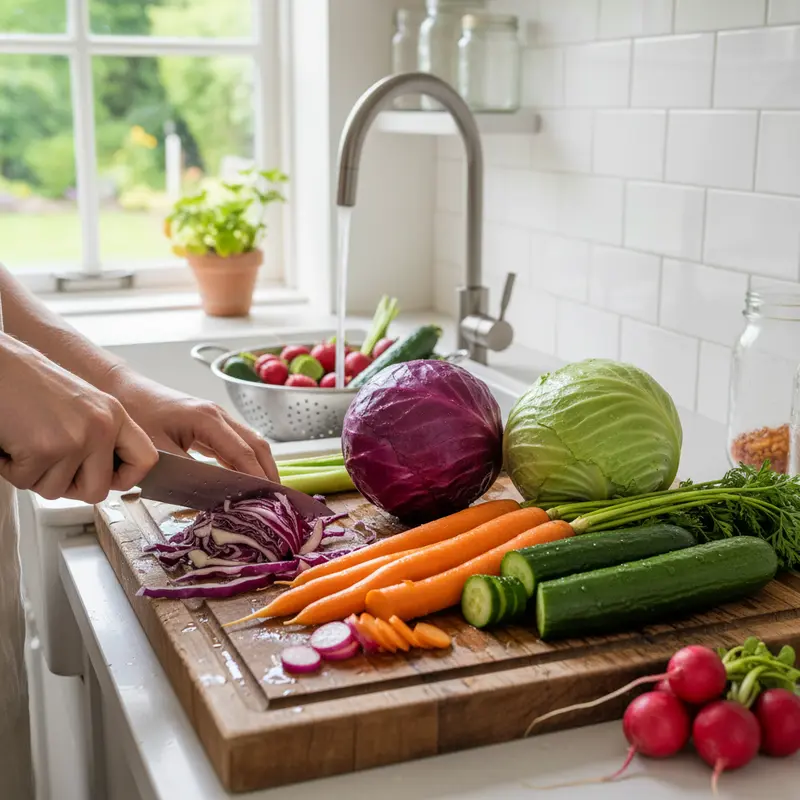
    Fresh vegetables for fermentation preparation
    Fresh vegetables for fermentation preparation

    1. Select and Prepare Vegetables: First up, pick your veggies! I always go for fresh, crisp ones—cabbage, carrots, cucumbers, or radishes are awesome. Organic is great if you can swing it. Give them a good wash, but try not to peel them too much; those natural microbes are little helpers! Then, chop them into roughly similar sizes. This helps everything ferment evenly, trust me.

      Measuring salt for fermentation brine
      Measuring salt for fermentation brine

      2. Brining and Salt Concentration: Next, let’s talk salt. This is super important! You’ll need non-iodized salt—about 2% of your veggie’s weight. So, for every kilogram of veggies, that’s roughly 20 grams of salt. This magic ratio helps the good bacteria (our little probiotic friends!) thrive while keeping the bad stuff away. You can either mix the salt right into shredded veggies or dissolve it in water to cover them.

        Fermentation setup with weights and airlocks
        Fermentation setup with weights and airlocks

        3. Fermentation Environment Setup: Now, find a cozy spot for your ferment. The perfect temperature is usually between 18-22 C (that’s 64-72 F). Think of it like a little spa for your bacteria! Make sure the spot is clean, has no weird smells, and isn’t too bright. Light can encourage mold, and nobody wants that! Oh, and don’t forget your fermentation weights and airlocks. They keep your veggies tucked under the brine and away from oxygen, which is key for good fermentation.

        1. Monitoring Progress: Time to play detective! Check your jars daily. Look for tiny gas bubbles and take a sniff—you want a pleasant, sour aroma. These are signs that your ferment is alive and happy! If you have pH strips, aim for below 4.6 within 3-7 days. That tells us the good probiotics are really settling in, and everything is safe. It’s fun to watch the changes!
        2. Safety and Hygiene: Last but not least, safety first, mama! Always, always sterilize your jars and tools before you start. And wash those hands! If you ever notice really weird smells, slime, or fuzzy pink or white mold, it’s best to just toss that batch. It’s rare if you’re careful, but trust your nose and eyes. A little bit of diligence goes a long way!

        Before you dive in, here’s a quick checklist of what I usually have on hand:

        • Fresh vegetables (organic preferred)
        • Non-iodized salt
        • Glass or food-grade fermentation jars
        • Fermentation weights and airlocks
        • pH test strips or meter

        By following this precise, beginner-focused protocol, home fermenters can produce vegetable ferments rich in probiotics safely and effectively, harnessing the full health benefits of fermentation.

        Just to give you a little head start, here’s a quick table with some of my go-to veggies:

        Vegetable TypeSalt PercentageFermentation TimeIdeal Temperature
        Cabbage2%7-14 days18-22 C
        Carrots2.5%5-10 days18-22 C

        Here’s a super simple cheat sheet, perfect for when you’re just starting out with how to ferment vegetables for probiotics:

        Essential Steps for Successful Vegetable Fermentation:

        • Wash and cut vegetables properly
        • Add measured salt and mix thoroughly
        • Pack tightly into fermentation vessel
        • Keep in a cool, dark place during fermentation
        • Taste test and refrigerate to stop fermentation

        Conclusion

        See? Fermenting your own veggies at home really lets you enjoy fresh, probiotic-rich foods that nourish your gut and make you feel good, naturally. Once you get the hang of picking the right veggies, getting that salt just right, finding a good spot, and staying safe, you’ll unlock all the amazing benefits of lacto-fermentation. It’s such an ancient, simple practice, but the wellness advantages? Oh my goodness, they’re huge! You totally got this!

        FAQ

        Q1: How to ferment vegetables for gut health?
        Okay, so how to ferment vegetables for gut health? It’s really about those simple steps! Pick great veggies, use just the right amount of salt, find a good cozy spot for them, and keep an eye on your ferment. Soon enough, you’ll have delicious, probiotic-rich fermented vegetables!

        Q2: What is the healthiest vegetable to ferment?
        Oh, that’s a tough one because so many are good! But honestly, I love starting with cabbage and carrots. They have such a great crunch and are perfect for growing all those beneficial probiotics. Plus, they’re usually easy to find!

        Q3: How can I ferment my own vegetables?
        You totally can ferment your own vegetables! Start with fresh veggies, use non-iodized salt to make your brine, let them do their thing in a calm spot (around 18-22 C is perfect), and just watch for those tell-tale bubbles and that lovely sour smell. You’re basically a food scientist now!

        Q4: What vegetables can you ferment together?
        Mixing and matching is part of the fun! I often combine crunchy veggies like cabbage, carrots, cucumbers, and radishes. They create such interesting flavors and boost those probiotic benefits. Just make sure to chop them all to similar sizes so they ferment happily together.

      1. Is Buttermilk a Probiotic? Exploring Its Gut Health Benefits

        Is Buttermilk a Probiotic? Exploring Its Gut Health Benefits

        Okay, mamas and papas, let’s be real: trying to keep our families healthy can feel like a full-time job, right? I’m always looking for simple ways to boost our gut health without a total kitchen overhaul. Lately, I’ve been using more buttermilk in my baking—those pancakes are just chef’s kiss! But it got me thinking: is buttermilk a probiotic? Like, does it actually have those amazing beneficial bacteria that everyone talks about for our tummies? I wanted to know if this humble kitchen staple really counts as one of those awesome fermented foods that can make a difference. So, I did a little digging (mostly during naptime, let’s be honest!) to understand if traditional and commercial buttermilk varieties truly deliver on digestive support. Here’s what I found out, complete with my practical tips for choosing the right one!

        Understanding Buttermilk: Is It Truly a Probiotic?

        Comparison of traditional and commercial buttermilk
        Comparison of traditional and commercial buttermilk

        First, let’s get on the same page about what a probiotic actually is. The big experts (the World Health Organization, fancy, right?) say they’re “live microorganisms which when administered in adequate amounts confer a health benefit on the host.” Basically, it means these tiny living things need to be alive and kicking, get through our tummies, and actually do something good for us. Makes sense, right?

        Here’s where it gets a little tricky with buttermilk. It turns out, not all buttermilk is the same! The way it’s made makes a huge difference in whether it’s truly a probiotic food.

        Think about traditional buttermilk. This is the old-school stuff, the liquid left over after churning butter from cultured cream. It ferments slowly and naturally. This process creates a happy little community of beneficial bacteria, like Lactococcus lactis and Leuconostoc. Many of these guys can absolutely act like probiotics. It’s like a wild, diverse garden in there!

        Now, most of the buttermilk you find in regular grocery stores is commercial buttermilk. This is made differently. They pasteurize low-fat milk, then add specific bacterial starter cultures. Think of it like a carefully planted garden, but maybe with fewer varieties. These commercial versions often use bacteria like Lactococcus lactis subsp. cremoris. It’s more consistent, but often less diverse in its beneficial bacteria profile compared to its traditional cousin.

        So, is buttermilk a probiotic in both cases? Not exactly. Studies show that traditional buttermilk is usually packed with a richer, more varied crew of live bacteria. It often has enough live cultures (over 10^6 CFU/mL, if you want to get technical!) to be truly beneficial. Commercial buttermilk usually starts out strong with live cultures, but those little guys can diminish over time, especially during storage. By the time it hits your fridge, its probiotic potency might be lower.

        This is why it’s super important to know the difference between “cultured” buttermilk and the truly traditional kind. Cultured buttermilk is made with the intention of having specific probiotic strains and consistent content. This makes it a stronger contender as a probiotic food than traditional buttermilk, which, while often great, can be a bit of a wildcard depending on how it was made and handled.

        Table comparing probiotic content in buttermilk types
        Table comparing probiotic content in buttermilk types

        Comparison of Probiotic Content in Different Types of Buttermilk

        Type of ButtermilkPresence of Live Probiotic CulturesCommon Bacteria StrainsHealth Benefits
        Traditional ButtermilkYesLactococcus lactis, Lactobacillus speciesSupports digestion and gut health
        Cultured ButtermilkYesLactobacillus acidophilus, Streptococcus thermophilusAids in gut microbiota balance and lactose digestion

        So, here’s the bottom line: don’t just grab any carton of buttermilk and assume it’s a probiotic powerhouse. While traditional buttermilk often has lots of great beneficial bacteria, it’s not always standardized. Commercial cultured buttermilk can absolutely be probiotic, especially if it’s fresh and the label clearly lists probiotic strains. This means we, as consumers, need to be label detectives! Look for those live cultures and check the “best by” date to make sure you’re getting the most digestive support bang for your buck. Buttermilk can be a probiotic food under the right conditions, but it’s not a given for every single bottle.

        Key Criteria to Identify a Food as a Probiotic:

        • It contains live microorganisms.
        • It has proven health benefits.
        • It survives passage to the intestines.
        • It is consumed in adequate amounts.
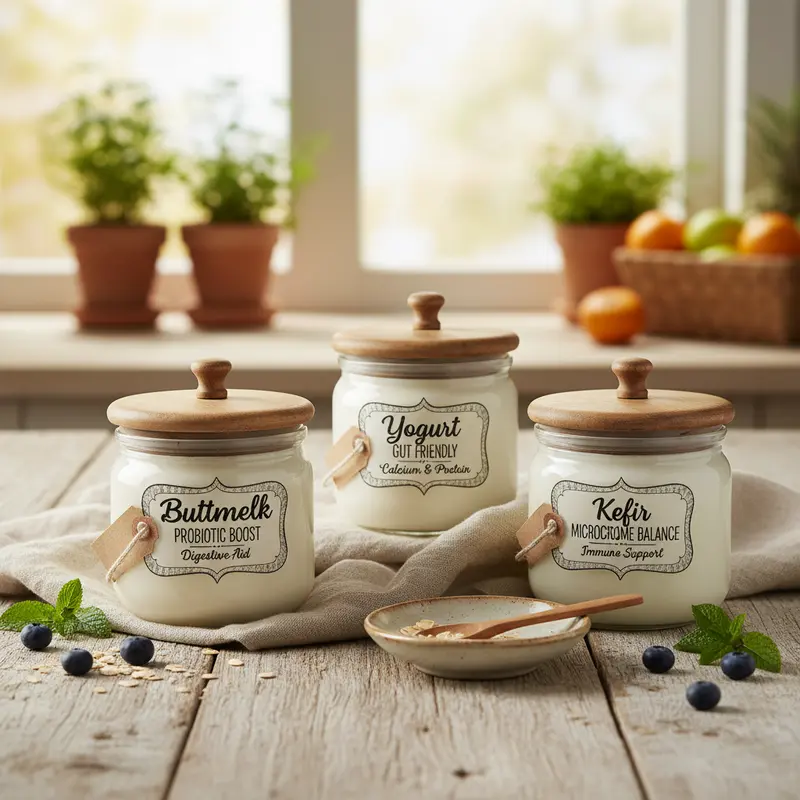
        Probiotic dairy food items with benefits
        Probiotic dairy food items with benefits

        Examples of Probiotic Dairy Foods Including Buttermilk:

        Food ItemProbiotic StatusNotable Benefits
        ButtermilkPotential probiotic, depending on fermentationSupports digestive health
        YogurtVerified probioticEnhances gut microbiome diversity
        KefirFermented probiotic drinkImproves immunity and digestion

        Conclusion

        Whew, that was quite the journey into buttermilk’s secret life, right? So, here’s my takeaway: while buttermilk can be a fantastic source of beneficial bacteria and a great probiotic food for our gut health under the right conditions, it’s not a one-size-fits-all answer. Traditional buttermilk might have a super diverse crew of good bugs, but its quality can vary. On the other hand, fresh, properly labeled cultured buttermilk can offer more consistent probiotic power. My best advice? Be a smart shopper! Look for those “live active cultures” on the label and always check for freshness. Every little bit of digestive support helps, and finding the right buttermilk is just one small, delicious step!


        FAQ

        Which has more probiotics, buttermilk or yogurt?

        Generally, yogurt tends to win out with a higher and more consistent count of proven probiotic strains, especially compared to the commercial buttermilk varieties you find. However, remember that traditional buttermilk can still have a wonderfully diverse group of beneficial bacteria, even if it’s less standardized. It’s a close race!

        Is buttermilk a prebiotic or probiotic?

        Buttermilk can totally be a probiotic if it’s got those live, beneficial bacteria doing their thing! But it’s not a prebiotic. Think of prebiotics as the food that helps feed our gut bacteria – non-digestible fibers, like the stuff in oats or bananas. Buttermilk provides the bacteria themselves!

        Is buttermilk good for your gut health?

        Absolutely! If you choose buttermilk with live cultures, it can definitely help support your digestion and keep your gut microbiome happy and balanced. That’s a big win for overall gut health, in my book!

        Is buttermilk good for pregnancy?

        Yep, buttermilk can be a really healthy and hydrating dairy choice during pregnancy. It offers good nutrients and might even help with digestion, which can be a tricky thing sometimes when you’re expecting! Just be sure to pick pasteurized and fresh products for safety – always a good rule of thumb for expectant mamas!

      2. Are Pickles Good for Gut Health? Benefits of Fermented Pickles Explained

        Are Pickles Good for Gut Health? Benefits of Fermented Pickles Explained

        Okay, mamas (and dads!), let’s be real. My kids love pickles. Like, seriously love them! And for a while, I’ve been wondering: are pickles good for gut health? We all hear so much about keeping our bellies happy for overall wellness, and these crunchy little gems often pop up in conversations about natural gut support. But here’s the kicker: not all pickles are created equal when it comes to keeping that gut garden thriving. Come chat with me as we explore the wonderful world of fermented pickles and their probiotic benefits, so you can pick the right ones and maybe even sneak a few into your family’s routine!

        Why Fermented Pickles Are a Tummy’s Best Friend (aka: Probiotics!)

        Probiotic bacteria flourishing in fermented pickles
        Probiotic bacteria flourishing in fermented pickles

        Alright, so what’s the big secret? It all comes down to probiotics. Think of them as the super-friendly bacteria that live in your gut, helping everything run smoothly. They’re like tiny little gardeners, tending to your ‘gut garden’ to keep it balanced and happy. And guess what? Fermented pickles are absolutely brimming with these good guys! This is the key difference from those other pickles you see on the shelf.

        When cucumbers go through natural fermentation, they essentially invite these beneficial microbes – like Lactobacillus and Pediococcus (don’t worry about the big names!) – to set up shop. This isn’t just a fancy way to preserve them; it actually makes them better for us. It means more of those live, active probiotics are chilling out in your pickle jar, ready to help your tummy.

        These specific little helpers do some amazing things. Some, like Lactobacillus plantarum, are like protective shields for your gut lining. Others, like Lactobacillus brevis, are brilliant at breaking down tricky foods and giving your immune system a little boost. Basically, they’re teamwork goals for your belly!

        So, what do they actually do? Well, these awesome microbes help you digest food better and even whip up some essential vitamins (hello, B and K vitamins!). Plus, they’re like little bouncers, kicking out the bad bacteria that can cause trouble. I’ve personally noticed how much smoother things feel when I consistently add a little fermented goodness to my meals. It’s a game-changer!

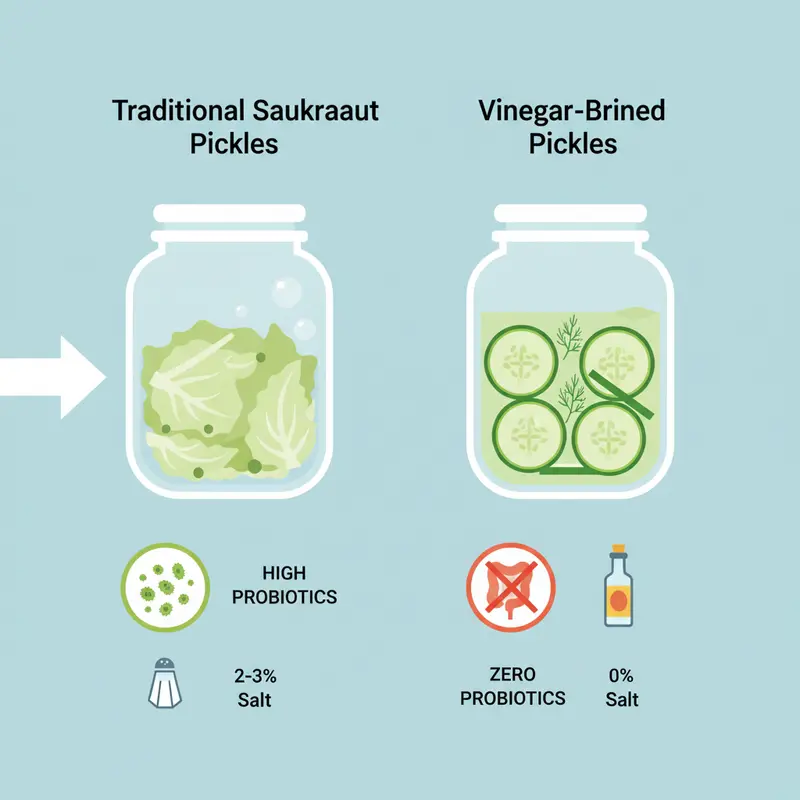
        But here’s the super important part, my friends: if your pickles are just swimming in vinegar and not naturally fermented, they’re probably not offering these probiotic benefits. They might taste good, but they’re missing those live cultures our guts crave. So, always double-check!

        Comparison chart of fermented vs vinegar pickles with probiotic content
        Comparison chart of fermented vs vinegar pickles with probiotic content
        Pickle TypeCFU per gramFermentation MethodTypical Salt Content (%)
        Traditional Sauerkraut Pickles1 billionLactic Acid Fermentation2.5
        Vinegar-Brined Pickles0None0.5

        And since we’re all about making healthy habits easy, here are a few simple tips I’ve learned for getting the most out of your fermented pickles:

        Tips for enjoying fermented pickles for gut health
        Tips for enjoying fermented pickles for gut health

        My Go-To Tips for Boosting Probiotic Goodness from Fermented Pickles:

        • Keep ’em raw! Heat can zap those delicate probiotics, so enjoy your pickles straight from the jar or in cold dishes. Cooking is a no-go if you want the gut benefits.
        • Chill out! Make sure your fermented pickles live in the fridge. This helps keep those good bacteria active and happy.
        • Check the label! Look for “naturally fermented” or “live cultures” and avoid anything that says “pasteurized” – that means the good stuff has been cooked out.

        So, there you have it! For me, learning about fermented pickles has been a game-changer for our family’s gut health. They truly are a fantastic, natural source of those essential probiotics. They help with digestion, give our immune systems a little hug, and generally make our bellies much happier. Just remember the key: look for the fermented kind. It’s one small, crunchy step we can take to keep our inner gardens flourishing. So go ahead, grab a pickle (the right kind!), and enjoy that wonderful gut-loving crunch!


        FAQ

        So, what kind of pickles are really good for your gut?

        Okay, the short answer? It’s all about those fermented pickles! Look for ones that are naturally cultured and proudly boast about their live probiotic bacteria, like Lactobacillus plantarum. Definitely skip the ones just swimming in vinegar, because they don’t have those amazing little microbes.

        I’ve heard doctors say to be careful with pickles. Why is that?

        That’s a super valid question! Doctors usually flag pickles because they can be pretty high in salt. Too much salt isn’t great for blood pressure or your kidneys, so it’s a good reminder to enjoy even the good ones in moderation. Think small, delicious portions!

        How often should I munch on pickles for gut health benefits?

        You don’t need to eat a whole jar! I find that just a few tablespoons of fermented pickles daily can give you those lovely probiotic benefits without overdoing the salt. It’s about consistency, not quantity.

        Are pickles a friend or foe to my stomach?

        Generally speaking, fermented pickles are absolutely a friend to your stomach and digestive system! Those probiotics work wonders for balancing your gut microbiome. Just a heads-up: if you go for the non-fermented kind, or eat too many of any kind, you might feel a little tummy rumble or get a bit too much salt. Listen to your body!

      3. Top Vitamins for Gut Health: Essential Supplements Explained

        Top Vitamins for Gut Health: Essential Supplements Explained

        Let’s be real, as a busy mom, I’m always looking for ways to keep my family feeling good. And trust me, I’ve learned that a healthy gut is like the secret sauce for overall wellness and even fighting off those school-year sniffles! We’ve seen that certain vitamins for gut health are absolute game-changers. They’re not just ‘nice-to-haves’; they actually help keep our gut lining strong, balance all those tiny microbes, and make digestion smoother. If you’re trying to figure out which supplements truly support your digestive wellness – without all the hype – you’re in the right place. Let’s dive into some essential gut health vitamins.

        Understanding Key Vitamins Essential for Gut Health

        So, what exactly are these key gut health vitamins? Well, after a lot of learning (and some trial and error in our own kitchen!), I’ve realized that our gut really relies on a strong lining, a happy balance of good bacteria, and smooth digestion. Guess what? All of this ties back to the vitamins we get! It’s not just about popping any old multivitamin and hoping for the best. Nope, science actually shows that specific vitamins make a real difference to our gut’s structure and the tiny communities living inside. This means we can focus on what truly works.

        Vitamin D

        Illustration of Vitamin D strengthening gut lining
        Illustration of Vitamin D strengthening gut lining

        Okay, first up is Vitamin D – the sunshine vitamin! I used to think it was just for bones, but turns out, it’s a huge player for our gut, too. Vitamin D really helps keep that protective gut lining strong. It also fine-tunes our immune system and boosts the proteins that literally hold our gut cells together. Pretty neat, right? When we don’t get enough Vitamin D, studies show our gut lining can become a bit ‘leaky,’ and our gut bugs can get out of whack. This can unfortunately make things worse for any tummy troubles we might have.

        B-Complex Vitamins

        B-Complex vitamins energizing gut cells
        B-Complex vitamins energizing gut cells

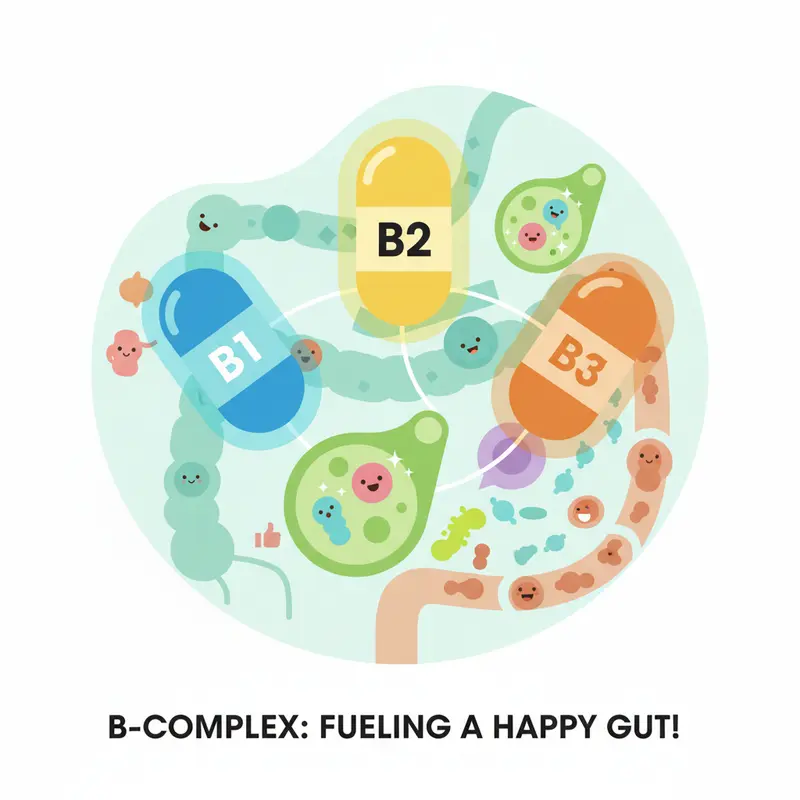
        Next, we have the B-Complex vitamins. Think of these as the little energy workers for our gut cells. Especially B1 (Thiamine), B2 (Riboflavin), and B3 (Niacin) – they’re super important for helping our gut lining get the energy it needs to function properly. Plus, these vitamins help produce important compounds that keep our gut microbes happy and balanced. I’ve read that taking B vitamins can even help things move along better and encourage a wider variety of good bacteria in our tummies. It’s like they’re helping the whole gut ecosystem thrive!

        Vitamin A

        Vitamin A boosting gut immune defense
        Vitamin A boosting gut immune defense

        Then there’s Vitamin A. This one is like our gut’s personal bodyguard and repair crew! It really boosts our gut’s immune system and helps those gut lining cells regenerate. Vitamin A is also key in managing our gut’s immune defenses and encourages the creation of special antibodies, called IgA, which keep our gut bacteria in check. What I’ve learned is that not getting enough Vitamin A can actually weaken our gut’s defenses and mess with those important microbial communities. So, it’s definitely a team player for strong gut support.

        Fat-Soluble vs Water-Soluble Vitamins

        Okay, a quick little science-y bit here, but trust me, it’s helpful! We have two main types of gut health vitamins: fat-soluble (like A, D, E, and K) and water-soluble (like the B-Complex and C). Fat-soluble vitamins get absorbed with the fats we eat and hang around in our bodies for a bit longer. Water-soluble ones, however, get used up or flushed out pretty quickly, so we need to replenish them regularly. This difference actually means they impact our gut health and those tiny microbes in different ways. The fat-soluble ones can have more lasting effects, while the water-soluble ones are busy supporting our gut’s daily hustle and bustle.

        Misconceptions

        Now, let’s clear up a few things. It’s easy to think all vitamins are magic bullets for our gut, but that’s not quite true! Not every single vitamin directly helps our gut, and their effectiveness really depends on whether you actually need them and how well your body can absorb them. More isn’t always better, either. Taking too many vitamins for gut health can actually throw off your gut balance, which we definitely don’t want! So, I’ve learned that getting a personalized plan, maybe even with some testing, really gives the best results. It’s all about what your body truly needs.

        Key Vitamins and Their Roles in Gut Health

        Alright, so we’ve talked about a few of the big players. To make it super easy, here’s a quick look at some of the top vitamins for gut health and what they do. This little snapshot helped me when I was first trying to figure out how to best support our family’s digestive wellness. Remember, vitamins like D and B-Complex have specific jobs to keep our gut barrier strong and our microbes balanced. Knowing this helps us make smarter choices for our tummies!

        VitaminPrimary Gut Health RoleRecommended Daily Intake (RDI)Common Food Sources
        Vitamin DModulates gut microbiota diversity600 IUFatty fish, fortified milk
        B-Complex VitaminsSupports gut barrier function and energy metabolismVaries by type; e.g. B12: 2.4 mcgMeat, eggs, leafy greens

        Checklist for Selecting Gut Health Vitamin Supplements

        So, once you know which gut health vitamins you’re looking for, how do you pick the right supplement? It can feel overwhelming, right? Here’s a little checklist I use that helps me navigate the options. Think of it as your shopping guide for good gut support:

        • Assess ingredient quality: Always look for high-quality ingredients.
        • Check scientific backing of claims: Make sure there’s actual research behind what they promise.
        • Verify dosage levels: Ensure the dosage is appropriate for your needs.
        • Evaluate bioavailability: This just means making sure your body can actually use the vitamin!
        • Read customer reviews: Real-life experiences can tell you a lot.

        Conclusion

        Phew! We’ve covered a lot, haven’t we? For me, finding the right vitamins for gut health isn’t about chasing the latest fad or grabbing the prettiest bottle. It’s really about understanding what truly helps our gut lining, boosts our immune system, and keeps those tiny microbes in harmony. Vitamins D, B-Complex, and A have consistently shown up as the real MVPs here. So, let’s keep it simple: choose quality, get the right amount, and know that you’re taking thoughtful steps to support your whole family’s digestive wellness naturally and safely. You got this!

        FAQ

        Which vitamin is best for gut health?
        Honestly, there isn’t just one ‘best’ vitamin, but a few stand out as amazing helpers for our gut! From what I’ve learned, Vitamin D, the B-Complex gang (especially B1, B2, and B3), and Vitamin A really shine. They’re all super effective at keeping our gut lining strong and our gut bugs happy and balanced.

        What are the symptoms of an unhealthy gut?
        Oh, the signs of an unhappy gut can show up in so many ways! We’ve noticed things like bloating, tummy aches, feeling tired all the time, or even catching every little bug that goes around. These can definitely be clues that our gut microbes might be a bit out of whack or that there’s some inflammation brewing.

        What is the 14-day gut reset?
        The ’14-day gut reset’ is basically a focused two-week plan. It often involves changing your diet (sometimes cutting out certain foods for a bit), adding in good probiotics, and making sure you’re getting key vitamins for gut health. The idea is to give your gut a little vacation and help it rebalance itself.

        What is best to heal your gut?
        To really heal your gut, I’ve found it’s all about the basics: a colorful, balanced diet packed with fiber, good probiotics, and those superstar gut health vitamins like D, B-Complex, and A. But don’t forget the lifestyle stuff too – enough sleep, managing stress, and moving your body. It’s truly a holistic approach for happy guts!

      4. Best Gut Supplements for Tailored Digestive Health in Adults

        Best Gut Supplements for Tailored Digestive Health in Adults

        Oh boy, if there’s one thing I’ve learned from juggling school lunches and bedtime stories, it’s that our bodies are constantly changing! And trust me, our tummies are no exception. I used to think “gut health” was just for health gurus, but after a few too many upset tummies in our house – mine included! – I realized how crucial it is for feeling good overall. We all have different needs, right? What works for my husband might not work for me, especially when it comes to our digestive systems. This article is all about helping us find the best gut supplements for us adults, whether you’re dealing with pesky IBS, just need some daily digestive support, or navigating other health stuff. I’m here to share what I’ve learned about choosing the right ones to keep our gut flora happy and support our long-term wellness, because a happy gut truly means a happier home!

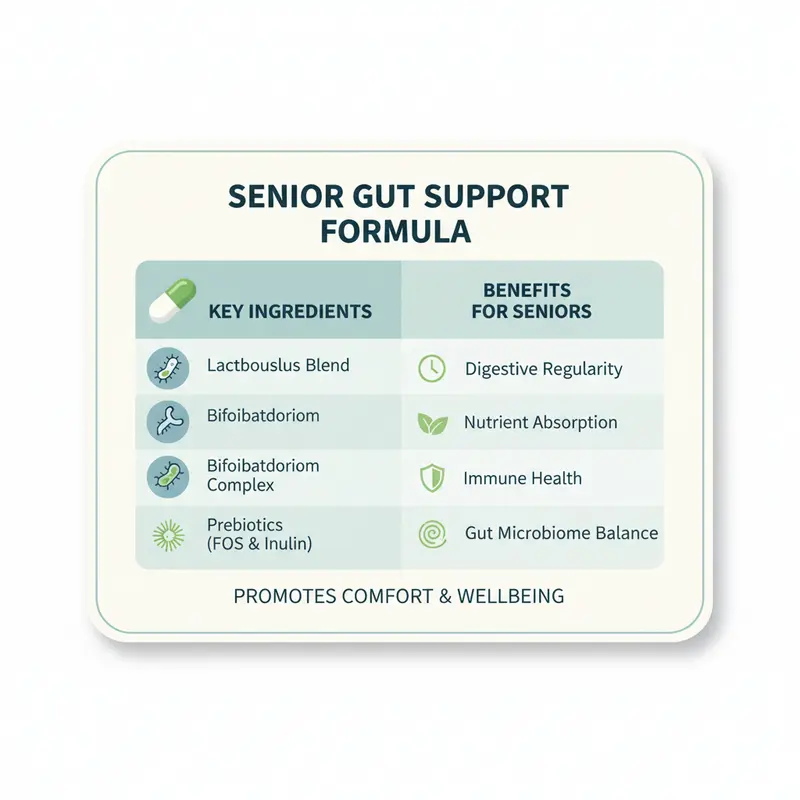
        Comprehensive Comparison of Gut Supplements for Different Age Groups and Health Conditions

        Illustration of gut supplements for different age groups
        Illustration of gut supplements for different age groups

        Okay, so figuring out the right gut supplements can feel a bit like trying to pick the perfect craft beer in Portland – so many options, and what’s right for you isn’t right for everyone! Our needs really do change as we get older, and depending on what our bodies are going through. Let’s break down some common scenarios and see what might be a good fit for different folks, from young adults to those of us rocking the 40s and beyond.

        If you’re in your 20s to mid-30s, you’re probably juggling a lot – maybe a new career, busy social life, or even early parenthood (been there!). All that stress and varied eating can mess with your gut. For this age group, classic probiotics with Lactobacillus and Bifidobacterium strains are often a great starting point. They help keep your gut flora balanced. Think of it like giving your tummy a little reset button! Studies even show that lots of people in this age range feel up to 65% better with these probiotics.

        Now, for those of us in our mid-30s to mid-40s, like me, our guts might start showing early signs of wear and tear. This is where those fabulous synbiotics (that’s just a fancy word for prebiotics and probiotics together!) come in handy. They help boost the good bugs and improve how your body soaks up nutrients. If you’re struggling with bloating or “oops, gotta go!” moments, especially with IBS, these combos have been shown to reduce symptoms by about 55%. Pretty cool, right?

        And for our friends over 46, or if you’re dealing with something more serious like autoimmune issues, you might want to look into postbiotics such as butyrate or fermented plant extracts. I think of them as tiny little peacekeepers for your gut. They’re great for calming inflammation. Research suggests they can actually make a big difference in reducing symptoms for about 60% of people with specific gut problems, helping to strengthen that gut lining.

        If IBS is your daily companion, specific gut supplements like Bifidobacterium infantis probiotics often get a gold star. They’re known for easing tummy pain and getting things moving (or stopping, depending on what your gut needs!). For autoimmune stuff, it’s all about being super careful. We want things that calm inflammation and support your immune system, but please, please chat with your doctor first. What works for a 30-year-old might be different for a 60-year-old in this situation.

        And hey ladies, our bodies are unique! Those hormonal rollercoasters we ride through our reproductive years? They can totally shake up our gut. So, some probiotics that help with estrogen metabolism can be especially helpful for us. It’s a subtle thing, but it can make a big difference in how we feel.

        So, the big takeaway? Your age and overall health are huge clues when choosing gut supplements. It’s not about finding the perfect pill, but finding what’s perfect for you. Think of it as building your own custom health team with probiotics, prebiotics, synbiotics, and postbiotics. It’s all about personalizing your approach for happy, healthy digestion!

        Comparison of Key Ingredients in Top-Rated Gut Supplements by Demographic Target

        Table showing key ingredients in gut supplements by demographics
        Table showing key ingredients in gut supplements by demographics
        Product NameTarget GroupKey IngredientsSupplement Type (Probiotic/Enzyme/Prebiotic)Dosage Form
        GutHealth PlusSeniorsLactobacillus acidophilus, Bifidobacterium, Digestive EnzymesProbiotic & EnzymeCapsule

        Guideline Checklist for Safe Gut Supplement Use by Age Group

        – Age Group: Elderly

        – Check for Pre-existing Conditions: Yes

        – Recommended Dosage Range: 10-20 billion CFU

        – Known Interactions: Possible antibiotic interaction

        – Consult Healthcare Provider: Yes

        Example Case Study Summary of Gut Supplement Impact on IBS in Middle-aged Adults

        Case study summary on gut supplement effects on IBS
        Case study summary on gut supplement effects on IBS
        AgeConditionSupplement UsedReported OutcomeDuration
        45IBSMultistrain Probiotic BlendReduced symptoms and improved digestion8 weeks

        Tips for Choosing the Right Gut Supplement:

        • Make sure your gut supplements have strains that are actually backed by science. We want the real deal, not just marketing fluff!
        • Always think about your specific health needs and how old you are. What works for a teen might not be right for a grandma (or vice versa!).
        • Seriously, always have a chat with your doctor or healthcare provider before you start any new supplement. They’re like your personal health coaches!

        Conclusion

        So, there you have it! Finding the right gut supplements can honestly make a world of difference in how you feel, inside and out. It’s not about being perfect, but about taking those small, mindful steps for your digestive health. Remember, it’s all about choosing what works best for you, tailored to your age and unique body. When we pick our probiotics, prebiotics, and even those cool postbiotics wisely – with a little science smarts and a lot of self-awareness – we’re setting ourselves up for happier tummies and a healthier life. Cheers to that!