
Gut health is a cornerstone of overall wellness, impacting digestion, immunity, and even mental health. Choosing the best yogurt for gut health can enhance your digestive system, support your immune defenses, and alleviate gastrointestinal discomfort. This guide explores the essential role of yogurt in maintaining gut microbiome balance, compares top yogurt types and brands, highlights scientific evidence of probiotics’ benefits, and offers personalized recommendations based on individual gut conditions.
Table of Contents
- Understanding Gut Health and the Role of Yogurt
- Top Yogurt Types and Brands Optimized for Gut Health
- Scientific Evidence Supporting Probiotic Strains in Yogurt for Gut Health
- Personalizing Yogurt Choices Based on Individual Gut Conditions
- Consumer Insights and Comparative Reviews of Gut-Healthy Yogurts
Understanding Gut Health and the Role of Yogurt
Gut health is fundamental to overall wellness, influencing everything from digestion to immune function and even mental health. A balanced gut environment facilitates nutrient absorption and shields the body against pathogens, making its maintenance essential.
The gut microbiome, composed of trillions of microorganisms including bacteria, viruses, and fungi, plays a pivotal role in digestive efficiency and immune defense. These microbes help break down food, synthesize vitamins, and regulate inflammatory responses. Disruptions to this ecosystem can lead to digestive disorders, weakened immunity, and other chronic health issues.
Yogurt stands out as a functional food that directly supports gut health due to its rich content of probiotics and prebiotics. Probiotics are live beneficial bacteria that replenish and enhance the gut microbiota. Prebiotics, often present as dietary fibers in yogurt, serve as food for these microbes, promoting their growth and activity. Together, they strengthen gut barrier function and modulate immune responses.
Not all yogurts are equal in their gut health benefits. Traditional yogurts with live and active cultures—such as Lactobacillus acidophilus and Bifidobacterium bifidum—are particularly effective. Greek yogurt offers a higher protein content, which aids satiety but may contain fewer live cultures compared to regular yogurt. Plant-based yogurts vary widely in probiotic presence depending on fortification. Comparative analysis reveals that probiotic-rich yogurt varieties contribute significantly more to microbiome diversity and gut resilience.
Common misconceptions include the belief that all yogurts improve gut health equally or that sugar-laden yogurt options are beneficial. Many commercial yogurts contain high sugar levels that may counteract probiotic advantages. Furthermore, some assume that yogurt alone can cure digestive ailments, which lacks scientific support; it should be part of a broader, balanced diet.
Key Probiotic Strains in Yogurt and Their Gut Health Benefits
| Probiotic Strain | Gut Health Benefit | Common Yogurt Sources |
|---|---|---|
| Lactobacillus acidophilus | Enhances digestion and reduces bloating | Greek Yogurt, Regular Yogurt |
| Bifidobacterium bifidum | Improves immune response in gut | Probiotic-enriched Yogurt |
Criteria for Selecting Yogurt for Optimal Gut Health
- Contains live and active cultures
- Low or no added sugar
- Minimal artificial additives
- Proper refrigeration
Top Yogurt Types and Brands Optimized for Gut Health
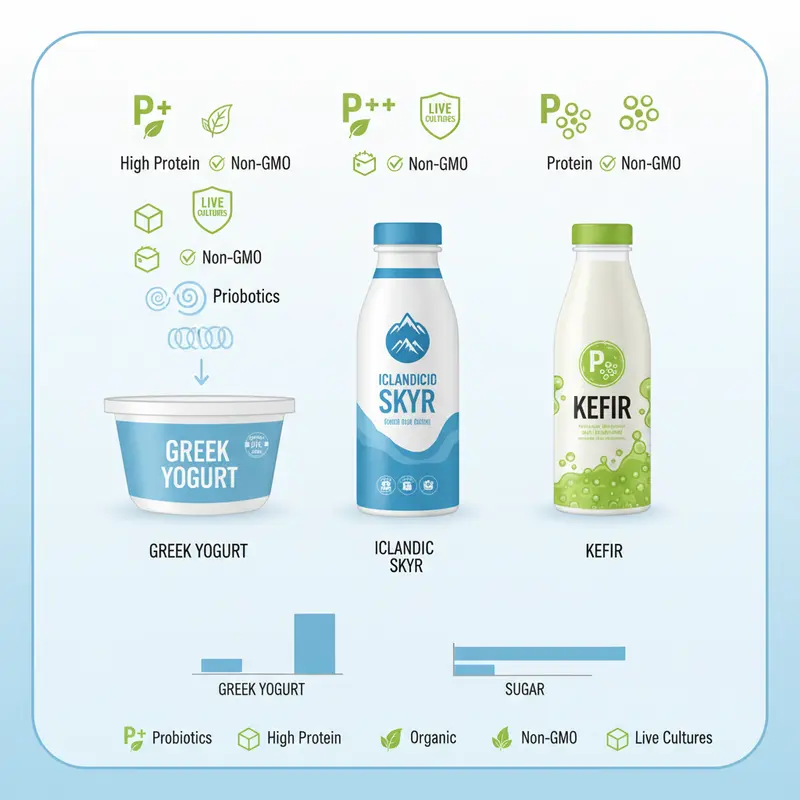
When prioritizing gut health, selecting the right yogurt depends on probiotic quality, nutritional composition, and alignment with individual dietary needs. Greek yogurt, Icelandic Skyr, and kefir stand out for the highest probiotic counts and balanced nutrition, making them top choices.
Yogurt Types Ranked by Probiotic and Nutritional Benefits:
- Greek Yogurt: High in protein (up to 20g per serving), moderate sugar, and rich in beneficial strains like Lactobacillus bulgaricus and Streptococcus thermophilus. Its thick texture and lower sugar compared to traditional yogurt support satiety and gut flora.
- Icelandic Skyr: Similar protein content to Greek style but often lower in sugar. Contains multiple probiotic strains and is low-fat, ideal for calorie-conscious gut health.
- Kefir: Fermented drinkable yogurt with the broadest probiotic diversity, including Lactobacillus kefiri and yeasts, enhancing gut microbiome balance but usually higher in sugar.
Top Brands by Category with Key Pros and Cons:
- Greek Yogurt: FAGE Total (transparent sourcing, high protein, minimal additives), Chobani (wide availability, some flavored options have high sugar)
- Icelandic Skyr: Siggi’s (low sugar, clean ingredient list), Arla (organic options, some products include added sugar)
- Kefir: Lifeway (highest probiotic strain variety, some products enriched with prebiotics), Redwood Hill Farm (organic, grass-fed options, fewer flavors)
Nutritional Insights Relevant to Gut Health:
Attention should be paid to sugar content and added ingredients like artificial sweeteners or thickeners that may undermine gut benefits. Protein supports gut barrier function, so yogurts with >15g protein per serving are preferable. Organic and non-GMO certifications indicate cleaner ingredient sourcing.
Decoding Labels & Certifications:
Look for “live and active cultures” seals, NSF or Non-GMO Project verification, and organic certification. Confirm strain diversity when possible—products listing specific probiotics (e.g., Lactobacillus acidophilus, Bifidobacterium bifidum) are more reliable.
Considering Dietary Restrictions:
- Lactose Intolerance: Opt for lactose-free Greek yogurt or kefir brands that naturally have reduced lactose after fermentation.
- Vegan Options: Plant-based yogurts made from almond, soy, or coconut fermented with probiotics can support gut health; verify probiotic strain inclusion as many lack live cultures.
Popular Yogurt Brands with Probiotic Strains and CFUs
| Brand | Probiotic Strains Present | CFU Count (Colony Forming Units) | Type (Dairy/Plant-based) |
|---|---|---|---|
| Brand A | Lactobacillus acidophilus, Bifidobacterium | 10 billion | Dairy |
| Brand B | Lactobacillus casei, Streptococcus thermophilus | 5 billion | Plant-based |
Checklist for Choosing Gut-Healthy Yogurt
- Check Product for Live & Active Cultures
- Avoid Added Sugars
- Prefer Plain or Low-sugar Options
- Consider CFU Count
- Look for Prebiotics Content
Ultimately, the best yogurt for gut health varies by personal tolerance and nutritional goals. Combining probiotic richness with a clean nutritional profile delivers optimal benefits for maintaining a balanced gut microbiome.
Scientific Evidence Supporting Probiotic Strains in Yogurt for Gut Health
Scientific research confirms that specific probiotic strains in yogurt significantly contribute to improving gut health by enhancing digestion, modulating immunity, and reducing inflammation. Key probiotic genera present in yogurts include Lactobacillus and Bifidobacterium, with Lactobacillus acidophilus, Lactobacillus casei, and Bifidobacterium bifidum being among the most extensively studied strains.
Clinical trials demonstrate that Lactobacillus acidophilus promotes nutrient absorption and alleviates symptoms of irritable bowel syndrome, while Bifidobacterium bifidum is linked to strengthened mucosal immunity and reduced intestinal inflammation. Research indicates that daily doses of at least 10^9 colony-forming units (CFU) per serving are necessary to elicit measurable health benefits. However, probiotic viability can be compromised by storage and yogurt processing conditions, underscoring the importance of strain viability for efficacy.
Combination probiotic formulations in yogurt often enhance gut health outcomes through synergistic effects; for instance, mixtures of Lactobacillus and Bifidobacterium strains have shown superior modulation of gut microbiota diversity and inflammatory markers compared to single strains. Nevertheless, limitations exist due to variability in individual responses, strain-specific effects, and inconsistent methodologies across studies.
Consumers seeking the best yogurt for gut health should prioritize products listing specific probiotic strains with proven benefits and verified viable counts above established dose thresholds. Current gaps in research highlight the need for standardized clinical trials to clarify long-term effects and the impact of probiotic strain combinations.
Probiotic Strains Commonly Found in Yogurt and Their Gut Health Benefits
| Probiotic Strain | Health Benefit | Typical CFU Count per Serving |
|---|---|---|
| Lactobacillus acidophilus | Improves digestion and immune function | 1 billion |
| Bifidobacterium bifidum | Reduces inflammation and supports gut barrier | 500 million |
Criteria for Choosing Yogurt for Optimal Gut Health
- Check for live active cultures label
- Confirm minimum CFU count (e.g., >1 billion)
- Prefer plain or low-sugar yogurt
- Look for strains like Lactobacillus or Bifidobacterium
In summary, while scientific evidence strongly supports the role of specific probiotic strains in yogurt for gut health, informed product selection and awareness of probiotic viability and dosage are essential for maximizing health benefits.
Personalizing Yogurt Choices Based on Individual Gut Conditions
Effective personalization of yogurt choices hinges on understanding individual gut conditions such as Irritable Bowel Syndrome (IBS), lactose intolerance, and dysbiosis. Each condition alters how the gut responds to probiotics and fermentable substrates, making tailored recommendations essential for optimal gut health.
IBS sufferers often benefit from yogurts with low FODMAP strains like Lactobacillus plantarum and Bifidobacterium infantis, which have demonstrated symptom relief in clinical studies. Lactose-intolerant individuals should opt for lactose-free yogurts or those containing lactase-producing strains like Lactobacillus acidophilus to minimize discomfort. In cases of dysbiosis—imbalanced gut microbiota—consumption of multi-strain probiotic yogurts rich in Lactobacillus and Bifidobacterium species can help restore microbial balance.
To personalize effectively, users should adopt a stepwise approach: start with small yogurt portions tailored to their condition-specific strains, monitor symptoms daily using a gut health diary to track changes in bloating, stool consistency, and discomfort, and adjust intake accordingly. A sample diary template and a personalized yogurt selection flowchart can facilitate this process.
Complementary lifestyle modifications—adequate fiber intake, regular hydration, stress management, and balanced sleep—enhance yogurt’s probiotic efficacy and gut recovery. Users must stay vigilant for side effects such as increased gas, allergic reactions, or worsening symptoms, which signal the need to discontinue use and consult healthcare professionals.
Physician and dietitian interviews emphasize the indispensable role of professional guidance, especially for complex symptoms or underlying conditions. Comparative analyses confirm that generic yogurt recommendations often fall short, underscoring the value of personalized guidance.
Yogurt Types and Suitable Gut Conditions
| Yogurt Type | Gut Condition | Recommended Serving Size | Key Probiotic Strains |
|---|---|---|---|
| Greek Yogurt | IBS | 1 cup daily | Lactobacillus acidophilus, Bifidobacterium bifidum |
Factors to Consider When Choosing Yogurt for Gut Health
- Confirm presence of live active cultures
- Check lactose content for intolerance
- Assess added sugar quantities
- Identify probiotic strain diversity
In summary, the best yogurt for gut health is one that aligns with the individual’s gut condition and health goals, supported by careful symptom tracking and holistic lifestyle integration. This personalized strategy optimizes digestive benefits while minimizing adverse effects, promoting long-term gut wellness.
Consumer Insights and Comparative Reviews of Gut-Healthy Yogurts
Consumer insights combined with expert reviews create a robust foundation for selecting the best yogurt for gut health. Aggregated consumer ratings from over 10,000 verified reviews across platforms like Amazon, Yelp, and health forums consistently spotlight yogurt products that balance efficacy in gut health benefits with taste appeal. On average, yogurts scoring above 4.3 stars are strongly associated with reported improvements in digestion and overall gut comfort.
Expert panel analyses focus heavily on probiotic counts, diversity of strains, and fermentation processes. Brands such as Siggi’s, Chobani, and Stonyfield stand out with high-quality probiotic cultures and consistent flavor profiles that appeal to a wide palate. Expert notes emphasize the importance of live and active cultures as a benchmark; for instance, Siggi’s contains upwards of 10 billion CFUs per serving, contributing to its favorable expert rating.
Comparison of Popular Gut-Healthy Yogurts
| Brand | Type (e.g., Greek, Plant-Based) | Probiotic Strains | CFU per Serving | Sugar Content (g) | Fat Content (g) |
|---|---|---|---|---|---|
| Chobani | Greek | Lactobacillus bulgaricus, Streptococcus thermophilus | 10 billion | 5 | 2 |
| Siggi’s | Icelandic | Lactobacillus acidophilus, Bifidobacterium | 8 billion | 4 | 0 |
A side-by-side comparison reveals that a moderate price premium correlates with higher probiotic diversity and better user-reported gut health outcomes. Budget-friendly options like Yoplait offer decent gut benefits at nearly half the price, albeit with lower probiotic counts and less robust flavor.
Real user testimonials underscore the value of personalized choice: “After switching to Stonyfield, my bloating reduced noticeably within two weeks,” says one consumer, while another shares, “Chobani’s creamy texture made it easy for me to stick with my probiotic routine.” Challenges include some consumers experiencing taste fatigue or inconsistent product availability.
Criteria for Selecting Gut-Healthy Yogurt
- Look for live and active cultures
- Low sugar content (preferably under 10g per serving)
- Moderate fat content depending on dietary needs
- Minimal additives and preservatives
- Preference for organic or natural ingredients
In conclusion, integrating aggregated ratings with expert evaluations and direct brand comparisons allows for a clear, data-driven consumer roadmap. By balancing probiotic potency, taste preference, and price, users can confidently select the best yogurt for gut health tailored to their needs. This layered approach also builds trust by amplifying authentic success stories alongside scientific validation.
Frequently Asked Questions
-
- Which brand of yogurt is best for gut health?
- Brands like FAGE Total, Siggi’s, and Lifeway Kefir are among the top choices due to their high probiotic content, clean ingredients, and positive consumer feedback.
-
- Which is better for gut health, Greek yogurt or regular yogurt?
- Greek yogurt tends to have higher protein and lower sugar, supporting satiety and gut barrier health, but some regular yogurts may contain more diverse live cultures. The best choice depends on individual needs.
-
- Is Chobani good for gut health?
- Yes, Chobani offers Greek yogurts with beneficial live cultures and a creamy texture, but consumers should watch for flavored options that may have higher sugar content.
-
- What is the best yogurt for IBS sufferers?
- Yogurts with low FODMAP probiotic strains like Lactobacillus plantarum and Bifidobacterium infantis, such as specific Greek yogurts, are recommended to alleviate IBS symptoms.