Category: Food

This category focuses on various foods and beverages, exploring how fermented foods, dairy products like yogurt, special foods such as sauerkraut and pickles, and dedicated gut – healthy drinks can influence and promote gut health.

  • How Gut Microbiota Shapes Allergic Predisposition: Key Species & Mechanisms

    How Gut Microbiota Shapes Allergic Predisposition: Key Species & Mechanisms

    Key Gut Microbial Species Influencing Allergic Predisposition

    Oh, friends, let’s be real. If you’re a parent, you know the constant worry about allergies. My little one, Leo, had such bad sniffles last spring, and it got me wondering: Is there something more we can do? That’s when I started diving into how gut microbiota shapes allergic predisposition. It turns out, understanding these tiny residents in our tummies is actually pretty key if we want to tackle allergies head-on. Now, I’m no scientist, but I’ve been learning a ton about the specific little bugs, what they make, and how they chat with our immune system. I want to share what I’ve learned, from one busy parent to another, so we can all feel a little more in control when it comes to our family’s allergy risk.

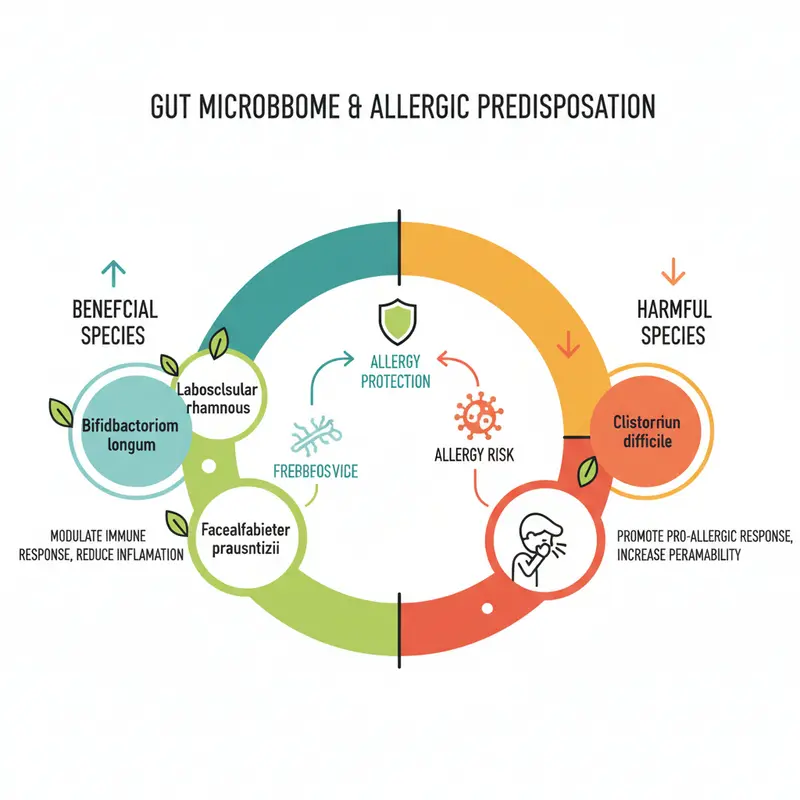
    Illustration of key gut bacteria involved in allergies
    Illustration of key gut bacteria involved in allergies

    Okay, so let’s talk about the main players in our gut when it comes to allergies. It’s not just a general free-for-all down there; certain bacteria really influence how gut microbiota shapes allergic predisposition. Think of them as different team members, some cheering our immune system on, others causing a bit of a ruckus. We’ve got some amazing “good guys” like Bifidobacterium longum, Lactobacillus rhamnosus, and Faecalibacterium prausnitzii. These little superstars seem to protect us by helping our immune system learn to be more tolerant. On the flip side, some “trouble-makers” like Clostridium difficile and certain other bacterial strains often show up more when allergies are an issue, making allergy risk higher.

    When scientists peek inside the guts of kids with allergies versus those without, they consistently find fewer of those amazing Bifidobacterium and Faecalibacterium in allergic kiddos. This tells us these bugs are super important for keeping our immune system balanced. Meanwhile, the grumpy Clostridium difficile tends to be more abundant in those with allergies, which makes sense since it’s known to stir up inflammation. Can you believe it? One study even found a whopping 40% decrease in Faecalibacterium prausnitzii in children who later developed eczema! That’s a huge clue for how gut microbiota shapes allergic predisposition, right?

    So, what exactly do these good bacteria do? Well, scientists have discovered they produce special little helpers called short-chain fatty acids, or SCFAs for short. Think of these SCFAs, like butyrate and propionate, as friendly messengers. They’re made by our amazing Faecalibacterium and Bifidobacterium species. These messengers tell our immune system to “chill out” by promoting something called regulatory T cells. Basically, this helps our body build immune tolerance, so it doesn’t overreact to things it shouldn’t, which can seriously cut down on those hypersensitive allergy symptoms. And get this: experiments in labs show that butyrate even helps with a fancy process called histone deacetylase activity. It sounds complex, but it’s actually super crucial for keeping inflammation down and potentially preventing allergies!

    Strains of Lactobacillus rhamnosus bacteria
    Strains of Lactobacillus rhamnosus bacteria

    Here’s where it gets really interesting: it’s not just about the type of bacteria, but which specific family member it is! For example, different strains of Lactobacillus rhamnosus can have very different powers. Some are much better at boosting IL-10 production—that’s a key anti-inflammatory protein that calms things down in our bodies. These subtle differences really impact how allergies might develop. This means we can’t just grab any probiotic off the shelf; we need to be smart and choose specific strains if we want to truly make a difference for allergy prevention.

    Key Gut Microbial Species Linked to Allergic Predisposition

    Table of microbial species and allergy roles
    Table of microbial species and allergy roles

    To make it a bit clearer, here’s a quick peek at some of the key gut microbial species and what they do for our predisposition to allergies.

    Species NameRole in Allergy ModulationEvidence LevelReference Example
    _Bifidobacterium longum_Promotes immune tolerance by enhancing regulatory T cellsHighPMC10255222
    _Clostridium_ speciesInduces Treg cells and protects against allergyModerateSCIE_S3021924001284

    So, what’s the big takeaway for us parents? Our predisposition to allergies is super connected to the tiny world living in our gut—right down to specific types and even strains of bacteria. The “good guys” help our immune system stay calm and tolerant thanks to those little messengers they create. Meanwhile, the “trouble-makers” can really rev up our immune system, making us more prone to allergies. This tells me that if we can be really precise and target these key gut microbes, we might just unlock some incredible ways to manage and even prevent allergies effectively. It’s all about working with our inner ecosystem!

    Microbial Species to Target in Allergy Modulation (Checklist)

    If you’re curious about specific microbes to focus on, here’s a little checklist of promising ones for allergy modulation:

    • _Lactobacillus rhamnosus_: High intervention potential supported by multiple clinical studies.
    • _Faecalibacterium prausnitzii_: Moderate intervention potential with emerging clinical evidence.

    It’s genuinely exciting to think about how gut microbiota shapes allergic predisposition! This connection opens up so many possibilities for personalized health strategies for our families. Just imagining how understanding these tiny bugs—which ones help build tolerance and which ones pump up our allergy risk—could totally change how we prevent and treat allergies? That’s pretty amazing, if you ask me. Here’s to happier, healthier guts for all our kiddos!

    FAQ

    Q1: How do gut microbes like Bifidobacterium longum help reduce allergy risk?
    A1: These awesome bugs, like Bifidobacterium longum, are like little peacemakers! They create special compounds, remember those short-chain fatty acids? These help our immune system learn to be more tolerant. So, instead of overreacting, our bodies stay calm, which definitely helps reduce allergy risk.

    Q2: Can probiotic supplements effectively modify allergic predisposition?
    A2: Oh, that’s a big question! Some specific probiotics, especially certain strains of Lactobacillus rhamnosus, have shown real promise in studies. They seem to help our immune system respond better and even ease allergy symptoms. But here’s the kicker: it really comes down to finding the right strain, because not all probiotics are created equal when it comes to allergic predisposition.

    Q3: Is there evidence linking increased Clostridium difficile with allergies?
    A3: Yep, there absolutely is. When there’s more Clostridium difficile hanging around in the gut, it often leads to more inflammation. And that inflammation can totally crank up our predisposition to allergies and make those immune reactions even more intense.

    Q4: What role do microbial metabolites play in allergy development?
    A4: Think of those microbial metabolites, like butyrate, as little choreographers for our immune system. They help guide key immune processes—including that fancy histone deacetylation thing—to keep inflammation down. This helps our bodies build tolerance, which is super important for preventing allergies from taking root.

    Efficacy of Probiotics in Irritable Bowel Syndrome: Systematic Review and Meta-analysis.

    The relative risk of experiencing any adverse event, in 55 trials, including more than 7000 patients, was not significantly higher with probiotics.
  • How to Cleanse Your Gut Safely to Support Microbiome Health

    How to Cleanse Your Gut Safely to Support Microbiome Health

    Understanding How Gut Cleansing Affects Your Microbiome Balance

    Oh, the never-ending dance of family life! Just the other day, my littlest one was complaining about a tummy ache after a weekend full of birthday cake and not nearly enough veggies. It got me thinking (again!) about how much our gut health truly impacts everything—from keeping those tiny tummies happy to how we adults feel day in and day out. For a while, I’ve been curious about how to cleanse your gut effectively. I mean, we all want to feel better, right? But the idea of doing it in a way that supports our body’s natural rhythm, rather than just hitting a reset button and hoping for the best, has become super important to me.

    So, let’s chat about getting that digestive comfort back and supporting our amazing internal ecosystem. In this article, I’ll share what I’ve learned about how gut cleansing impacts your microbiome, some safe practices I’ve picked up, and practical advice for anyone (like me!) looking for a natural, sensible approach to overall gut health. It’s less about a quick fix and more about building healthy habits, trust me!

    Vibrant gut microbiome garden illustration
    Vibrant gut microbiome garden illustration

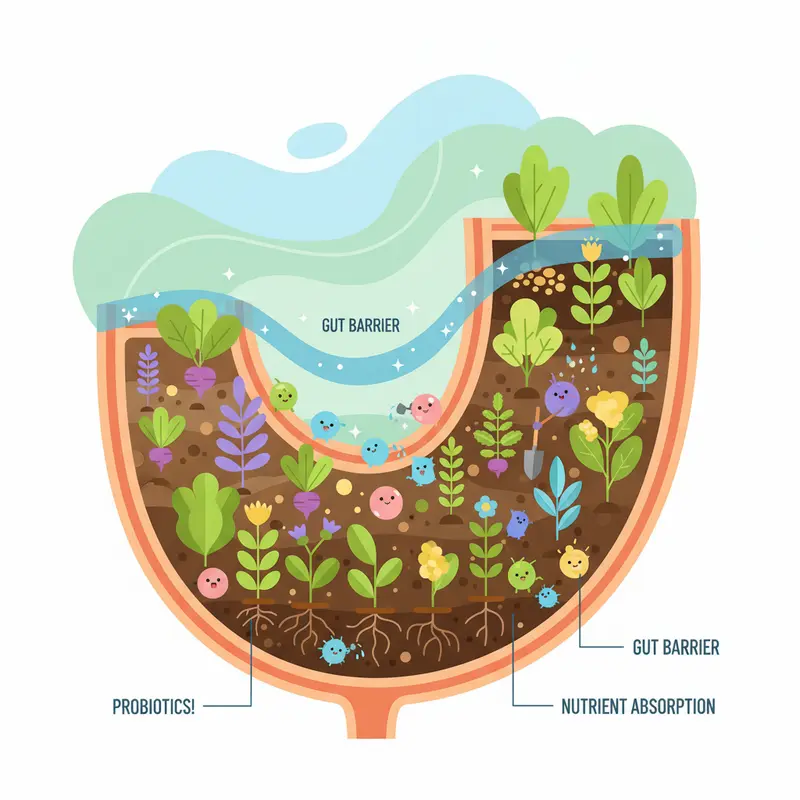
    Okay, so picture your gut as this vibrant, bustling garden. It’s full of tiny little workers—trillions of them!—all doing their part to keep you healthy. This whole community is called your microbiome, and it’s essential for everything from how you digest your food to how your immune system behaves, and even your mood. When we talk about how to cleanse your gut, it’s like we’re thinking about tending to that garden. We want to clear out the weeds, sure, but we definitely don’t want to accidentally rip out all the beautiful flowers and helpful critters too, right?

    Sometimes, things like special diets, colonics, or even liquid fasts are used to give the gut a “cleanse.” These methods can be pretty intense, like a big garden overhaul. While they might help clear out some of the “bad” stuff, they can also, often unintentionally, sweep away some of the “good” bacteria. This can really shift the balance in your gut garden, and not always in a good way.

    I’ve learned that when people do a short-term cleanse, the diversity of their gut microbiome can actually drop quite a bit. It’s like suddenly having fewer types of plants in your garden. For example, some of those really beneficial bacteria, like the ones you find in yogurt, might take a temporary hit. When that happens, your digestive health might feel a little off, and your immune system might not be quite as robust.

    Now, what happens long-term can vary. Some people find that their gut garden bounces back beautifully, especially if they follow up with a balanced, nourishing diet. But if you’re constantly “cleansing” or going overboard, you risk messing things up permanently. Think of it like over-pruning your plants—it can create space for less desirable things to grow, leading to more inflammation and a weaker gut lining. Yikes! I’ve heard stories (and let’s be real, had my own moments of “too much of a good thing”) where too much cleansing just made people feel worse.

    What I’ve gathered from smart folks (and my own experience) is that moderation is key. A single, well-thought-out gut cleanse, especially when paired with probiotics and super nutritious foods, can actually help your gut garden recover and flourish. But going wild with frequent, harsh cleanses? That just risks undermining the whole delicate ecosystem. We want to support our little gut buddies, not stress them out!

    So, the takeaway is this: how to cleanse your gut really affects your microbiome by temporarily changing its diversity and composition. To keep that beautiful gut garden thriving, we need practices that are gentle, minimize disruption, and actively support those beneficial bacteria. It’s all about being a kind, thoughtful gardener!

    Human gut microbiota/microbiome in health and diseases: a review.

    The human gut microbiota has received considerable interest in the recent years and our knowledge of the inhabitant species and their potential applications is increased particularly after the development of metagenomic studies.

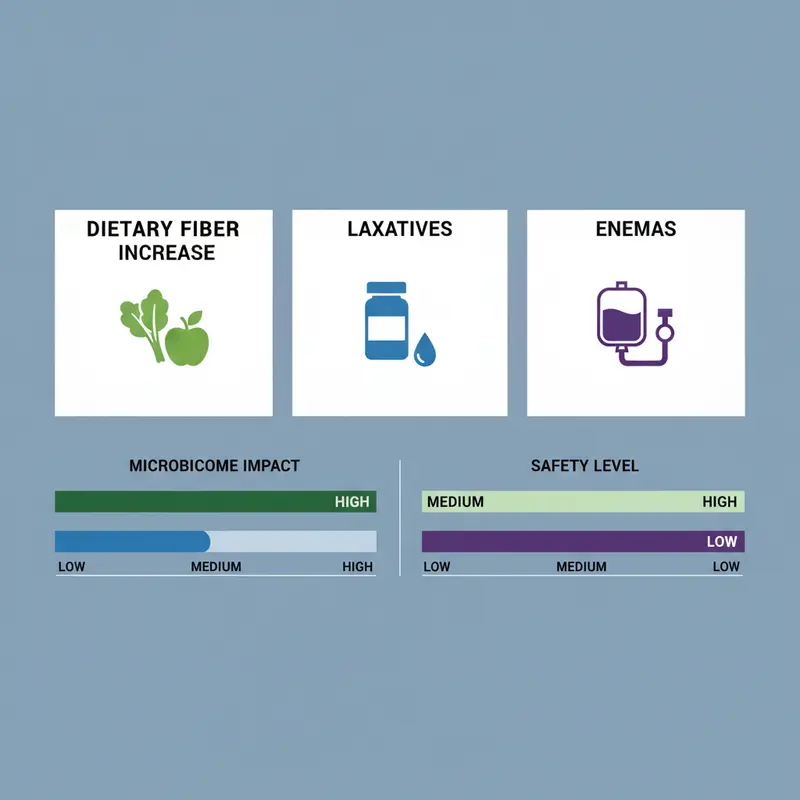
    Comparison of Gut Cleansing Methods and Microbiome Impact

    Infographic comparing gut cleansing methods and microbiome impact
    Infographic comparing gut cleansing methods and microbiome impact

    Thinking about different ways to give your gut a little refresh? Here’s a quick look at some common methods and how they might impact your microbiome—and remember, gentler is often better!

    MethodDescriptionMicrobiome Impact LevelSafety Level
    Dietary Fiber IncreaseIncreasing fiber intake to support colon functionHighHigh
    LaxativesUse of chemical or herbal laxatives to induce bowel movementsModerateMedium
    EnemasIntroducing fluids into the colon for cleansingVariableLow to Medium

    Effects of dietary fibers or probiotics on functional constipation symptoms and roles of gut microbiota: a double-blinded randomized placebo trial.

    In conclusion, we found that the dietary fibers or probiotics may relieve hard stool, with intervention-specific changes in gut microbiota relevant to constipation relief.

    Safe Gut Cleansing Practices to Support Microbiome

    Illustration of safe gut cleansing habits
    Illustration of safe gut cleansing habits

    If you’re wondering how to cleanse your gut in a way that feels supportive and safe, here are a few simple tips that have made a big difference for me and my family:

    • Stay hydrated throughout the cleanse: Water is your best friend! It helps everything move along smoothly.
    • Avoid excessive use of laxatives: Trust me, you don’t want to overdo it here. It can be harsh on your system.
    • Prefer natural fiber sources: Think fruits, veggies, whole grains. These are like a gentle broom for your gut.
    • Consult a healthcare provider before a cleanse: Especially if you have any existing health conditions. It’s always smart to get a professional opinion!

    This more nuanced understanding has really helped me navigate the world of gut cleansing. It’s about enhancing my overall gut health without compromising that incredible, delicate microbial ecosystem that works so hard for me every single day. Let’s aim for gentle support, not harsh overhauls!

    The Effect of Fiber Supplementation on Chronic Constipation in Adults: An Updated Systematic Review and Meta-Analysis of Randomized Controlled Trials.

    Results were synthesized using risk ratios (RRs), mean differences, or standardized mean differences (SMDs) and 95% CIs using a random-effects model. Particularly, psyllium, doses >10 g/d and treatment durations of at least 4 weeks appear optimal, though caution is needed when interpreting the results due to considerable heterogeneity.

  • My Journey to a Happy Gut: An Ultimate Guide to Gut Cleanses

    My Journey to a Happy Gut: An Ultimate Guide to Gut Cleanses

    Unpacking Gut Cleanses: What I’ve Learned

    Let’s be real, life with kids (and just life in general!) can sometimes feel like a whirlwind. A few months ago, I noticed my energy levels were dipping, and my stomach often felt… well, not great. I was bloated, sluggish, and just generally off. It felt like my digestive system was stuck in a rut. That’s when I really started diving into the idea of a gut cleanse. For me, it wasn’t about some crazy diet; it was about hitting the reset button to feel better, absorb nutrients, and just bring my body back into balance.

    For us health-conscious folks who want a natural, yet smart way to feel good, finding the right gut cleanse protocol can be a game-changer. It’s all about finding a path to gently detox and boost the good bacteria in our bellies!

    Restoring digestive health and keeping our gut bacteria happy is super important for how we feel day-to-day. A well-planned gut cleanse can really help. I quickly learned that a “one-size-fits-all” approach just doesn’t work. Think about it: my kids eat differently, have different sensitivities, and react to things differently. Our guts are the same! Personalized gut cleanse protocols, ones that really tune into your unique body, can make a huge difference. They’re much more effective and help you avoid any uncomfortable surprises. From what I’ve read (and chatted about with my holistic nutritionist!), getting personal with your gut health plan is the way to go.

    Why Personalization Matters for Your Gut Cleanse: My Take

    It turns out, our gut bacteria and how strong our gut lining is vary a lot from person to person. This really affects how we react to any kind of gut detox. For example, if you’re someone with a sensitive stomach (that’s me sometimes, especially after a pizza night!), you’ll need a much gentler, slower approach. No need to rush it and make things worse! But if your stomach is usually pretty robust, you might handle a more intensive digestive reset without a hitch. The experts I follow often mention that these personalized strategies actually help your gut heal better and reduce inflammation throughout your body more effectively than just following a generic plan. It just makes sense, right?

    Simple Steps for Your Gut Cleanse, Tailored to You

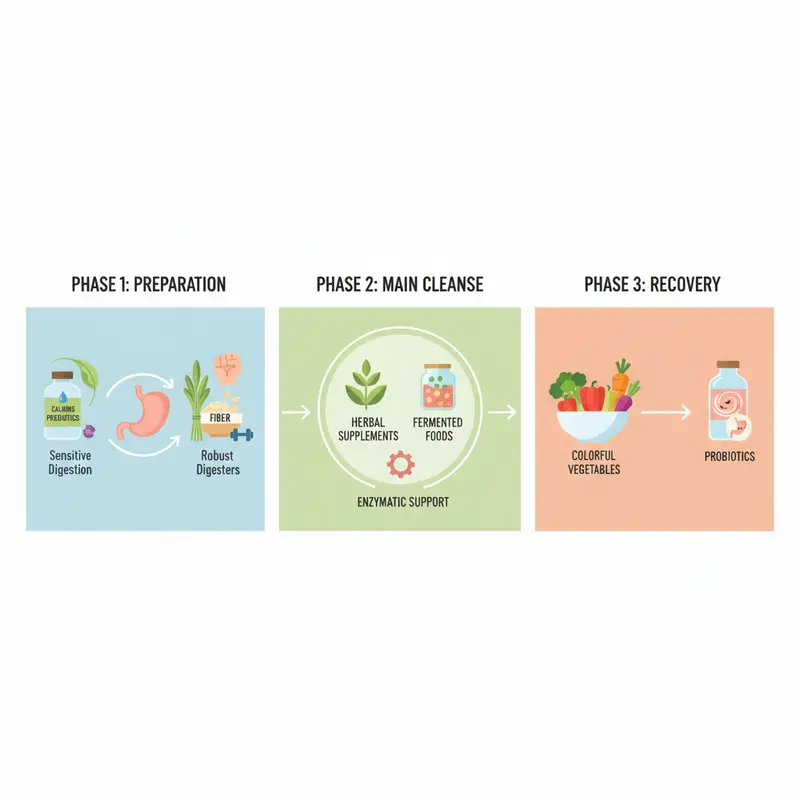
    Stepwise gut cleanse phases for sensitive and robust digestion
    Stepwise gut cleanse phases for sensitive and robust digestion

    When I decided to try a gut cleanse, I looked for something practical. Here’s a simplified breakdown of what I found works, depending on how your body usually rolls:

    1. Getting Ready (3-5 days): This is all about gradually easing into it. We slowly cut back on the stuff that isn’t serving us – things like processed foods, alcohol, and too much sugar.
      • For Sensitive Bellies: I started incorporating soothing probiotics right away. Think of it as sending in the calm troops!
      • For Robust Digesters: You might want to start adding a bit more fiber into your meals.
    2. The Main Event (7-14 days): This is where the real work of your gut cleanse begins.
      • For Sensitive Bellies: I focused on gentle herbal supplements (like slippery elm, which feels like a hug for your gut, or chamomile tea) and lots of delicious fermented foods to keep those good bacteria thriving.
      • If You Have Specific Digestive Issues: You might benefit from some extra enzymatic support and targeted prebiotics.
      • For Robust Digesters: You could explore more complex herbal blends or even try some intermittent fasting cycles.
    3. Bouncing Back (at least 7 days): This phase is super important! It’s about bringing back diverse, healthy foods and really nourishing your gut.
      • We focus on reintroducing different kinds of fiber, keeping up with our probiotics, and eating plenty of anti-inflammatory foods. It’s like planting a beautiful garden and making sure it has everything it needs to flourish.

    What We Use: Supplements and Food Tips

    Supplements and healthy foods supporting gut cleanse
    Supplements and healthy foods supporting gut cleanse

    During our gut detox, specific supplements can be incredibly helpful. But again, it’s not a one-size-fits-all!

    • Probiotics: I look for strains specific to what my body might need. For my sensitive stomach days, Lactobacillus rhamnosus is a gentle friend.
    • Prebiotics: These are the food for your good bacteria! Customized fiber sources like inulin or partially hydrolyzed guar gum can be great.
    • Herbal Supports: I found adaptogens and demulcents were amazing, especially matching them to how I felt.

    And food? Oh, food! We really focus on whole, easy-to-digest foods that are rich in colorful plant compounds (polyphenols) and healthy omega-3s. Think of vibrant fruits, veggies, and healthy fats – they help strengthen your gut lining and keep your microbiota happy and diverse. It’s like feeding your inner garden!

    When to Cleanse: Listening to Your Body

    How often should you do a gut cleanse? That really depends on you and your unique health journey.

    • For Sensitive Bellies: I aim for about two cleanses per year, giving myself plenty of recovery time in between.
    • For Robust Digesters: You might feel great doing up to four cleanses annually, maybe even incorporating intermittent fasting.
    • If You Have Ongoing Digestive Issues: Please, please, chat with a doctor. They can help you create a tailored schedule and keep an eye on how you’re doing.

    Gut Cleanse Protocols I’ve Looked At

    Here’s a quick peek at some common options I’ve explored for a digestive reset:

    Protocol NameMethod TypeDurationScientific Support LevelCommon Ingredients
    3-Day Gut ResetDietary/Natural3 daysMediumFiber, Probiotics, Water
    Commercial Colon CleansersSupplementVariesLow to MediumHerbs, Laxatives, Enzymes

    Mama’s Safety Checklist for Your Gut Cleanse

    Okay, listen up! This is super important:

    Always, always chat with your doctor or a healthcare provider before you start any kind of cleanse. Seriously!

    Drink tons of water throughout your cleanse. Hydration is your best friend.

    If you’re pregnant, breastfeeding, or have certain medical conditions, this might not be for you. Skip it for now!

    Pay attention to your body. If something feels off, stop!

    Following these simple steps helps ensure your gut cleanse is truly supporting your health, not causing stress. Trust me on this one!

    Microplastics in freshwaters and drinking water: Critical review and assessment of data quality.

    Further, we summarize the findings related to microplastic concentrations, polymer types and particle shapes.

    My Sample Day: A 3-Day Gut Reset Example

    Daily schedule for a 3-day gut reset cleanse
    Daily schedule for a 3-day gut reset cleanse

    If you’re curious what a day actually looks like during a quick gut detox, here’s a super simplified example:

    DayMorning RoutineAfternoon TipsEvening Routine
    Day 1Drink warm lemon waterConsume high fiber fruitsLight vegetable broth dinner

    A clear plan like this can really help you navigate your cleansing journey while making sure you’re still getting the nourishment you need.

    Effects of ginger on gastric emptying and motility in healthy humans.

    Ginger has been reported to improve upper gastrointestinal symptoms. Antral area decreased more rapidly (P<0.001) and the gastric half-emptying time was less after ginger than placebo ingestion (13.1+/-1.1 vs.

    The Takeaway: Finding Your Gut Bliss

    Honestly, adopting a smart, personalized gut cleanse protocol has made a huge difference for my family and me. It’s not about being perfect, it’s about listening to your body and giving it what it needs. When you align your gut health efforts with your unique body, you not only help your gut lining heal and your good bacteria flourish, but you also minimize risks and set yourself up for long-lasting wellness. For those lasting benefits, I truly believe in integrating tailored supplements, mindful food choices, and appropriate cleansing cycles into our everyday routine. It’s a journey, not a destination, and every little step counts!

    FAQ: Quick Answers from One Mama to Another

    How do I detox my gut?

    A safe gut detox involves a personalized approach. This typically includes making gentle dietary changes, adding in good probiotics and prebiotics, and sometimes using supportive herbs. My best advice? Always check in with a healthcare provider first!

    What drink will clean my gut?

    Drinks like a soothing warm lemon water, gentle herbal teas (chamomile is my favorite!), and fermented drinks rich in probiotics can all be wonderful allies for your gut health.

    Ginger extract reduces delayed gastric emptying and nosocomial pneumonia in adult respiratory distress syndrome patients hospitalized in an intensive care unit.

    There was a significant difference between the ginger group and the control group in the amount of feeding tolerated at the first 48 hours of enteral feeding (51% vs 57%, P < .005). There was a trend toward a decrease in pneumonia in the ginger group (P = .07).

    How do I flush everything out of my stomach?

    “Flushing everything out” usually means focusing on gradual dietary tweaks, upping your fiber intake, staying super hydrated, and sometimes trying short-term fasting or supplements – but always under guidance, okay?

    How do you know if your gut needs cleansing?

    Signs that your gut might need a little reset include uncomfortable digestion, unpredictable bathroom habits, and that bloated feeling. If you’re wondering, a healthcare provider can totally help you figure out if a gut cleanse is the right move for you.

  • How to Heal Your Gut: Simple Steps for a Happier Tummy

    How to Heal Your Gut: Simple Steps for a Happier Tummy

    Understanding Gut Health: How Your Gut Affects Your Whole Vibe

    Okay, let’s be real: keeping our gut happy is about so much more than just digestion. I’ve personally learned that when my tummy’s off, my whole day feels off! If you’re dealing with any kind of digestive funk, or just want to boost your energy and mood, figuring out how to heal your gut is a huge first step. In this article, we’re going to chat about what gut health truly means for us everyday folks and some easy ways to give it a little love through what we eat and how we live.

    Diagram of gut microbiota ecosystem
    Diagram of gut microbiota ecosystem

    Think of your gut not just as a food processor, but as a super important part of your whole body’s well-being! It’s like the control center for your immune system and even your mood. Inside, we’ve got this incredible, bustling community of tiny helpers called the gut microbiota. They’re like a little garden in your belly, helping you soak up all the good stuff from food, make vitamins, and keep your tummy’s protective lining strong. It’s really the foundation of how good we feel!

    Ever notice how a nervous tummy can make you feel anxious, or how stress can tie your stomach in knots? That’s the gut-brain axis at play – a two-way street between your belly and your brain! It turns out, those little gut microbes actually help make the chemicals that affect our mood, how we think, and how we handle stress. I mean, who knew? Research even shows that when our gut bugs are out of whack, it can totally mess with feelings of anxiety and sadness. So, getting to know how to heal your gut really touches on our mental well-being too!

    Our immune system also relies heavily on a happy gut. Seriously, about 70% of our immune power actually lives there! Our gut microbes are like the trainers for our immune cells, teaching them how to fight off the bad guys and keep us healthy. When that gut garden isn’t thriving, we might find ourselves catching every sniffle or feeling generally run down. It just goes to show how important it is to keep our gut working well to stay strong!

    Sometimes, when our gut isn’t quite right, we might experience uncomfortable things like bloating, tummy aches, feeling totally wiped out, or even that fuzzy ‘brain fog’ feeling. These could be signs of common issues like IBS or something called ‘leaky gut.’ I remember feeling so much better when I started paying attention to my diet! It makes a huge difference. In fact, one study even showed that folks who focused on balancing their gut microbiome with good food and probiotics felt way better and healthier overall. That’s a huge win!

    So, truly understanding how to heal your gut really means appreciating all the amazing things it does for us. When we boost those helpful gut microbes, we’re not just helping our digestion; we’re also building up our immune system and giving our mood a big, happy lift!

    Diet, fibers, and probiotics for irritable bowel syndrome.

    The unclear pathogenesis with many pathways to be explored, bothering symptoms that affect the quality of life, and many subtypes of the condition are only a few reasons that make IBS difficult to control and obtain satisfactory results.

    Diagram: The Gut-Brain-Immune Axis

    Illustration of gut-brain-immune interaction
    Illustration of gut-brain-immune interaction
    • Gut Microbiota
    • Nervous System
    • Immune Cells
    • Signaling Pathways

    Common Gut Health Symptoms

    • Bloating
    • Abdominal Pain
    • Fatigue
    • Brain Fog
    • Irregular Bowel Movements

    Signs of an Unhealthy Gut

    Here’s a quick peek at some common things our body might be trying to tell us about our gut health. Keep an eye out for these!

    SymptomDescription
    BloatingExcessive abdominal swelling after meals
    Persistent diarrheaFrequent loose stools lasting several days
    FatigueConstant tiredness possibly linked to gut inflammation

    Gut Health Symptoms Checklist

    • Bloating or gas
    • Diarrhea or constipation
    • Frequent fatigue or low energy
    • Unexplained weight changes
    • Food intolerances or sensitivities

    Nutritional Components for Gut Health

    Foods rich in fiber, probiotics, and prebiotics
    Foods rich in fiber, probiotics, and prebiotics

    When we’re figuring out how to heal our gut, food is truly our best friend! Here’s a little cheat sheet on what nutrients are gut-superstars and where to find them.

    NutrientRecommended Daily AmountPrimary Sources
    Fiber25-30 gramsFruits, vegetables, whole grains
    ProbioticsVaries, typically 1-10 billion CFUsYogurt, fermented foods
    Prebiotics5-20 gramsGarlic, onions, asparagus

    Effects of dietary fibers or probiotics on functional constipation symptoms and roles of gut microbiota: a double-blinded randomized placebo trial.

    In conclusion, we found that the dietary fibers or probiotics may relieve hard stool, with intervention-specific changes in gut microbiota relevant to constipation relief.

    Gut Health Improvement Case Example

    It’s always nice to see how these changes can actually make a difference! Here’s a real-life example of someone who gave their gut some love:

    InterventionDurationOutcome
    High-fiber diet with probiotics8 weeksReduced bloating and improved mood

    Conclusion

    So, there you have it! Taking steps to heal your gut is seriously a game-changer for how you feel – from happier digestion to a stronger immune system and even a brighter mood. Just by paying attention to those early signs and making some simple tweaks to what we eat and how we live, we can really help our gut bugs get back in balance. Trust me, with a little patience and consistency, you’ll start noticing some amazing improvements in your whole body!

    FAQ

    Q1: What is the quickest way to heal your gut?
    A1: Okay, if you’re looking for a quick start on how to heal your gut, the first thing is to cut out the stuff that irritates it – think processed foods and too much sugar. Then, pile on the fiber, add some good probiotics, and drink plenty of water! It’s like hitting the reset button for your gut garden.

    Q2: What are the symptoms of a damaged gut?
    A2: Common signs that your gut might be a bit unhappy include bloating, feeling super tired, that annoying ‘brain fog,’ irregular bathroom habits, and noticing you’re sensitive to certain foods.

    Q3: What is a 7-day gut reset?
    A3: A 7-day gut reset is basically a short burst of really focused effort! You fill up on foods that calm inflammation, enjoy yummy fermented goodies, and totally avoid things that upset your gut. It’s like a quick jumpstart for your healing journey.

    Q4: What are the 4 stages of gut healing?
    A4: I like to think of it in four steps: First, remove the stuff that’s bothering your gut. Second, repair that delicate gut lining. Third, repopulate it with all those wonderful, helpful bacteria. And finally, maintain it with smart food choices and healthy habits for the long haul!

    The Effect of Fiber Supplementation on Chronic Constipation in Adults: An Updated Systematic Review and Meta-Analysis of Randomized Controlled Trials.

    Results were synthesized using risk ratios (RRs), mean differences, or standardized mean differences (SMDs) and 95% CIs using a random-effects model. Particularly, psyllium, doses >10 g/d and treatment durations of at least 4 weeks appear optimal, though caution is needed when interpreting the results due to considerable heterogeneity.

  • How to Fix Your Gut for Good: Women’s Health and Hormonal Cycle Nutrition

    How to Fix Your Gut for Good: Women’s Health and Hormonal Cycle Nutrition

    How Women’s Hormonal Cycles Affect Gut Health and Personalized Diet Plans

    Hormonal cycles affecting gut health
    Hormonal cycles affecting gut health

    Alright, mamas (and everyone else!), let’s talk about something super important that we often overlook: our guts. You know, that feeling when things just feel… off? Turns out, our gut health is a huge piece of the puzzle for overall women’s health, and getting to know our hormonal cycles can be the secret sauce to really fix your gut for good. Our hormones, those little powerhouses that go up and down all month, actually have a big say in how our digestion works, what kind of good bugs are hanging out in our tummies, and even inflammation. That’s why a “one-size-fits-all” diet just doesn’t cut it for us. This article is all about how we can eat smarter, with our cycles in mind, to finally get that lasting gut wellness we’re all craving.

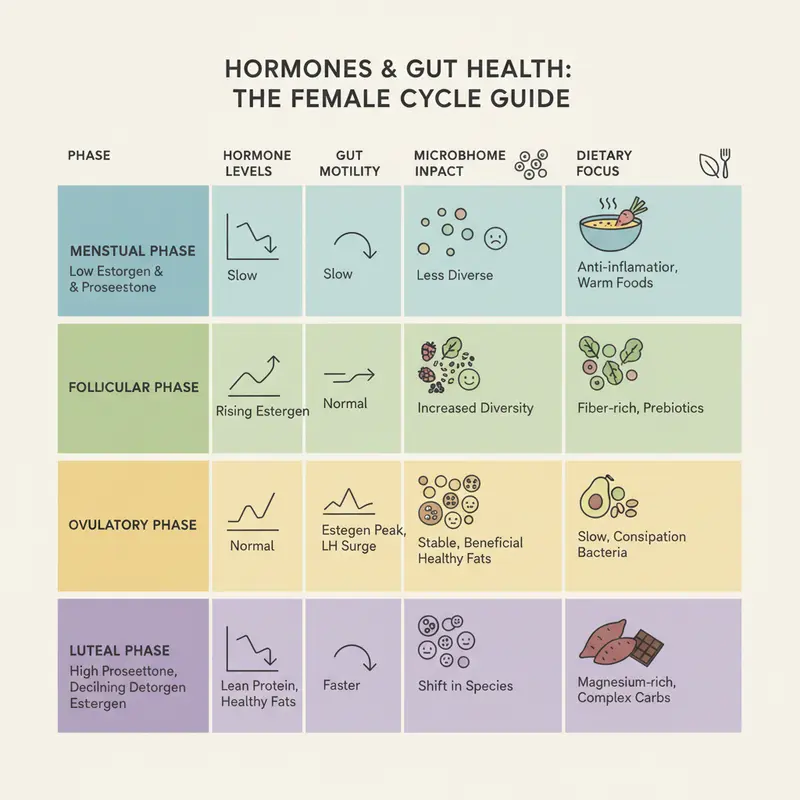
    Let’s be real, our monthly cycles are a wild ride, and they totally impact our gut health. Learning to eat in sync with these phases can make a world of difference for our digestive well-being. Estrogen and progesterone are like the DJs of our bodies, spinning different tunes during the menstrual, follicular, ovulatory, and luteal phases. And trust me, our guts are dancing right along with them! This is key to figuring out how to fix your gut for good when it comes to women’s health.

    When you’re in your menstrual phase (hello, period!), those estrogen and progesterone levels dip. For me, that often means things slow way down, leading to that lovely feeling of constipation or just general gut grumpiness. This is when I try to load up on comforting, fiber-rich foods and anti-inflammatory goodies like my favorite leafy greens and a handful of juicy berries. They’re like a little hug for my gut, helping it repair and feel less uncomfortable.

    Then comes the follicular phase, and suddenly, estrogen starts to rise! It’s like my gut wakes up a bit, feeling more energetic and ready to roll. This is prime time for those good gut bacteria to really thrive. I love reaching for prebiotic foods here, like asparagus (hello, springtime!) and a ripe banana. They’re like fertilizer for your gut garden.

    Ovulation is when estrogen peaks, and honestly, I usually feel pretty great around this time – like my body is really on its game! This is when our gut lining is healing, and our gut bugs are in balance. So, I make sure to give them a high-five with probiotic-rich foods like my favorite creamy yogurt or some kefir. It’s like sending in the reinforcements!

    Finally, the luteal phase kicks in, and progesterone takes center stage. For me, this is often when my digestion gets sluggish again, and sometimes I feel a bit more inflamed or bloated. This is my cue to reach for magnesium-rich foods, like nuts and seeds, and make sure I’m getting those good omega-3 fatty acids. They help ease those pesky symptoms.

    Honestly, just tracking my menstrual cycle has been a game-changer. It helps me tailor my meals to what my body actually needs at different times, which really boosts my gut function and helps me avoid a lot of those common symptoms. For example, I’ve started sketching out a little weekly meal plan that focuses on specific gut-supportive foods for each phase, and it’s truly helped me achieve lasting digestive health improvements.

    It’s not just me either! There’s actual science that backs up these hormone-driven changes in our gut bacteria and inflammation. Plus, I’ve seen so many stories of women who’ve found success by eating this way. Experts are even saying this personalized approach is crucial for women’s health, moving us beyond those bland, one-size-fits-all diets. It’s all about helping you fix your gut for good!


    Mechanisms, Evaluation, and Management of Chronic Constipation.

    Symptoms vary among patients; straining, incomplete evacuation, and a sense of anorectal blockage are just as important as decreased stool frequency.

    Overview of Women’s Hormonal Cycle Phases and Corresponding Gut Health Effects

    Table of hormonal cycles and gut effects
    Table of hormonal cycles and gut effects
    Cycle PhaseHormone LevelsGut Motility ChangesMicrobiome ImpactSuggested Dietary Focus
    FollicularHigh estrogenImproved motilityIncreased diversityHigh fiber, fermented foods
    LutealRising progesteroneSlower motilityDecreased diversityEasily digestible foods, probiotics

    An approach to the diagnosis and management of Rome IV functional disorders of chronic constipation.

    If unsuccessful, further therapy is tailored according to subtype.Areas covered: This review covers the definition, epidemiology, diagnostic criteria, investigations and management of the Rome IV disorders of chronic constipation.Expert opinion: By adopting a logical step-wise approach toward the diagnosis of chronic constipation and its individual subtypes, clinicians have the opportunity to tailor therapy accordingly and improve symptoms, quality of life, and patient satisfaction.

    Key Factors to Consider in Personalized Gut Health Diets for Women

    Okay, so ready to dive in? Here are some simple steps I’ve found super helpful on my journey to better women’s health and a happy gut:

    Personalized diet plan based on hormonal cycle
    Personalized diet plan based on hormonal cycle
    • Tune in to your body: Before you even think about what to eat, figure out where you are in your hormonal cycle. Are you feeling period crampy, energized, or heading into that pre-period slump?
    • Fuel up with fiber & prebiotics: During your follicular phase (that post-period, pre-ovulation time), really lean into fiber-rich foods and those great prebiotics. Think of them as food for your good gut bugs!
    • Embrace probiotics: When you’re in your luteal phase (post-ovulation, pre-period), make sure to add in those probiotics. They’re like little peacekeepers for your gut when things might be feeling a bit sluggish.
    • Be a detective: Pay attention to how you feel! Your body gives you clues. Adjust your food choices based on what makes you feel good (or not so good!).

    So, wrapping this up, truly getting to know our hormonal cycles and letting that guide our food choices is such a powerful tool for us women. It’s not about being perfect, but about taking those small steps to fix your gut for good, supporting our unique biology, and just feeling better overall. Trust me, your gut will thank you!

    FAQ

    Q1: How to restore women’s gut health?
    Restoring your gut health as a woman really comes down to tuning into your body! Tracking your hormonal cycle helps you understand what your gut needs during each phase. Then, we can gently adjust our food choices — think fiber, prebiotics, and probiotics tailored to those hormonal shifts — to keep your gut bugs happy and reduce inflammation. It’s all about finding that balance!

    Q2: What is the best thing for women’s gut health?
    Honestly? Listening to your body! But generally, I’ve found that eating in sync with my hormonal fluctuations is a game-changer for women’s health. That means focusing on anti-inflammatory foods, adding in those good probiotics during the luteal phase, and loading up on fiber-rich prebiotics during the follicular phase. It’s a personalized approach that truly helps fix your gut for good.

    Q3: What is the 7 day gut reset?
    Oh, the 7-day gut reset! It’s like a mini-vacation for your insides. You basically focus on super clean eating, lots of fiber, plenty of water, and those awesome probiotic foods for about a week. The idea is to hit the “reset” button on your gut bacteria and give your digestion a fresh start. It can be a great kickstart if you’re looking to fix your gut for good, but remember, it’s often just a starting point for longer-term habits!

    Q4: What is the fastest way to restore gut health?
    Okay, “fastest” is a tricky word, because our bodies are all unique, right? But what I’ve learned is that cutting back on stuff that makes your gut grumpy (think processed foods!), boosting your fiber, drinking plenty of water, and getting those good bacteria in can really help. And for us women, syncing it up with our monthly cycle? That’s like adding rocket fuel to the process for long-term women’s health and helps you fix your gut for good in a sustainable way!

    Effects of dietary fibers or probiotics on functional constipation symptoms and roles of gut microbiota: a double-blinded randomized placebo trial.

    In conclusion, we found that the dietary fibers or probiotics may relieve hard stool, with intervention-specific changes in gut microbiota relevant to constipation relief.

  • How to Have a Healthy Colon and Gut: A Comprehensive Guide

    How to Have a Healthy Colon and Gut: A Comprehensive Guide

    Comprehensive Guide to Probiotics and Prebiotics for Colon and Gut Health

    Probiotic bacteria strains under microscope
    Probiotic bacteria strains under microscope

    Remember those days when your tummy just felt… off? Like after a big family dinner or when life gets crazy? Yeah, me too. As a mom here in Portland, I’ve learned that figuring out how to have a healthy colon and gut isn’t just about feeling good, it’s about our whole family’s energy and immunity. This journey to a happy gut has been a learning curve! We’re going to chat about probiotics, prebiotics, and simple daily tricks I’ve picked up to keep our digestive system humming along.

    Illustration of gut as garden with bacteria
    Illustration of gut as garden with bacteria

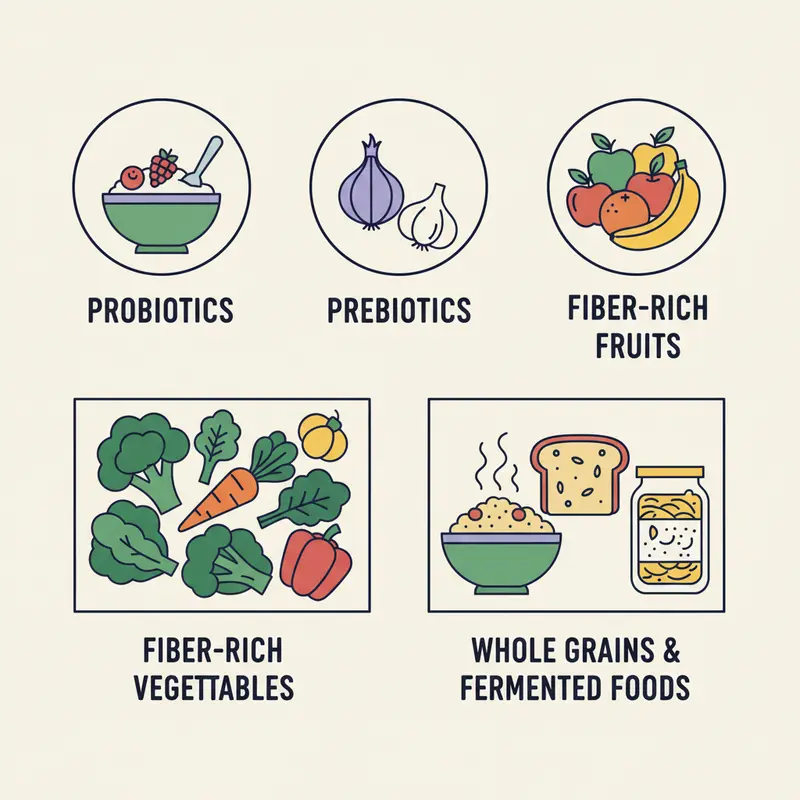
    Okay, let’s dive into something that’s been a real game-changer for our family: probiotics and prebiotics. Think of your gut like a little garden. Probiotics? Those are the good guys, the tiny helpers (mostly bacteria!) that move in and keep everything balanced. Prebiotics are like the special fertilizer for those good guys, helping them grow strong and happy. Knowing this really helped me understand how to have a healthy colon and gut more effectively.

    Some of my favorite probiotic ‘superheroes’ are Lactobacillus acidophilus, Bifidobacterium longum, and Saccharomyces boulardii. Trust me, these aren’t just fancy names! Studies show these tiny helpers can calm inflammation, keep you regular, and even help your gut bounce back after antibiotics. For prebiotics, I look for things like inulin, FOS, and GOS. These are like delicious snacks for your good gut bacteria, especially the bifidobacteria. They help them make something called butyrate, which is super important for happy colon cells and keeps things generally healthy down there.

    So, how much should you take? I’ve found a daily probiotic with 10 to 20 billion CFUs (that’s ‘colony-forming units,’ just means how many live guys are in there!) works well. I try to take ours on an empty stomach, or right before a meal, so those good bacteria have the best chance of making it to the gut. For prebiotics, 3 to 5 grams a day is usually a sweet spot – enough to help, but not so much that it causes any tummy grumbles. Sometimes combining them, what they call ‘synbiotics,’ can be extra powerful for supporting a happy colon and gut.

    One big thing I learned: always go for quality! Look for products with third-party seals, so you know what’s on the label is actually in the bottle and that it’s safe. Sometimes, when you first start, you might feel a little gassy or bloated. That’s usually normal as your gut adjusts, so start slow! And if anyone in your family has a compromised immune system, it’s always best to chat with their doctor first before adding supplements.

    Efficacy of Probiotics in Irritable Bowel Syndrome: Systematic Review and Meta-analysis.

    The relative risk of experiencing any adverse event, in 55 trials, including more than 7000 patients, was not significantly higher with probiotics.
    My Go-To Tips for a Happy Gut:

    Tips for maintaining gut health
    Tips for maintaining gut health
    • When you’re picking supplements, check for specific strains and how many CFUs they have. The more info, the better!
    • Look for quality seals like USP or NSF. It’s like a stamp of approval.
    • Ease into prebiotics! Start small to avoid any discomfort.
    • Consider ‘synbiotic’ blends – they combine probiotics and prebiotics for an extra boost to your overall gut health.

    Common Probiotic Strains and Prebiotic Sources

    Here’s a quick little cheat sheet I keep handy for some common probiotics and prebiotics, and where you can find them in food!

    NameTypeHealth BenefitSource Food
    Lactobacillus acidophilusProbioticImproves digestion and colon healthYogurt, Kefir
    InulinPrebioticFeeds good gut bacteriaChicory root, garlic

    Daily Habits to Support Healthy Colon and Gut

    Beyond supplements, I’ve found these daily habits make a huge difference in how to have a healthy colon and gut for our whole family:

    • Fill up on probiotic and prebiotic-rich foods (think yogurt, sauerkraut, garlic!).
    • Drink plenty of water. It’s so simple, but so crucial for everything moving smoothly.
    • Move your body! Even a quick walk can do wonders for digestion.
    • Go easy on processed foods. They’re often sneaky gut-busters.

    Honestly, following these simple tips for probiotics, prebiotics, and daily habits has been key to our family’s journey. It’s a truly natural and effective way to achieve and maintain a healthy colon and gut, boosting our digestion, immunity, and overall energy levels. It’s all about creating that happy gut environment!

    Health benefits of dietary fiber.

    Individuals with high intakes of dietary fiber appear to be at significantly lower risk for developing coronary heart disease, stroke, hypertension, diabetes, obesity, and certain gastrointestinal diseases. Increased intake of soluble fiber improves glycemia and insulin sensitivity in non-diabetic and diabetic individuals.

    Conclusion

    So, there you have it! How to have a healthy colon and gut really comes down to a few mindful choices: picking the right supplements when you need them, and building simple, healthy habits into your everyday life. It’s not about being perfect, but about taking those small, consistent steps. When you nourish your gut with probiotics, prebiotics, and good habits, you’ll naturally see improvements in digestion, less inflammation, and just feel better all around. Your gut will thank you!

    FAQ

    Q1: How can I improve my colon health?
    A1: I’ve found it’s a mix of things: loading up on foods or supplements with probiotics and prebiotics, drinking tons of water, moving my body, and trying to steer clear of too many processed snacks. It all really helps your colon health!

    Q2: How can I repair my colon naturally?
    A2: For a natural gut reset, I focus on a diet packed with fiber, probiotics, and prebiotics. Also, managing stress (easier said than done with kids, right?!) and avoiding unnecessary antibiotics are huge for helping your colon heal itself.

    Q3: How can I improve my gut and bowel health?
    A3: To give my gut and bowel health a real boost, I aim for a varied diet with lots of different fibers, use those awesome probiotic supplements, and make sure to get some regular exercise. It’s all connected!

    Q4: What are the symptoms of an unhealthy colon?
    A4: If your colon isn’t happy, you might notice things like irregular trips to the bathroom, bloating, tummy aches, or just feeling super tired. If these feelings stick around, please, always chat with a doctor. Mama knows best, but doctors know more!

    Effects of dietary fibers or probiotics on functional constipation symptoms and roles of gut microbiota: a double-blinded randomized placebo trial.

    In conclusion, we found that the dietary fibers or probiotics may relieve hard stool, with intervention-specific changes in gut microbiota relevant to constipation relief.

  • What Causes Rot Gut: Biochemical and Physiological Insights

    What Causes Rot Gut: Biochemical and Physiological Insights

    Understanding What Causes Rot Gut: My Mom-Friendly Version

    You know that feeling? When your stomach just isn’t right after a night out, especially if you maybe, just maybe, indulged in something a little… questionable? Yeah, my friends and I call that ‘rot gut’ sometimes. And trust me, after a few too many times wondering what causes rot gut, I decided to do a little digging – not like a scientist, just a mom trying to understand what’s happening inside! Turns out, it’s mostly about how those not-so-great alcohols mess with our insides. Knowing this helps us figure out how to protect our happy gut.

    So, let’s talk about what causes rot gut on a deeper level – but in my language, not a textbook’s! From what I gather, it’s when our digestive system gets grumpy and damaged because of those nasty toxins lurking in low-quality alcohol. This whole process kicks off a chain reaction of unwelcome changes that really throw our gut out of whack.

    Diagram of liver processing alcohol and producing acetaldehyde
    Diagram of liver processing alcohol and producing acetaldehyde

    First up, our amazing liver! When we drink alcohol, our liver works super hard to process it. During this process, it creates something called acetaldehyde. Think of it like a tiny wrecking ball for your gut lining – it’s really irritating and can cause a lot of stress. And here’s the kicker: those cheaper, ‘bargain bin’ alcohols aren’t just pure ethanol. They often come with extra ‘friends’ like methanol or fusel oils. These are like extra bad weeds in our gut garden, just making everything worse and really dialing up that gut distress.

    Conceptual image of a leaky gut as a garden fence with holes
    Conceptual image of a leaky gut as a garden fence with holes

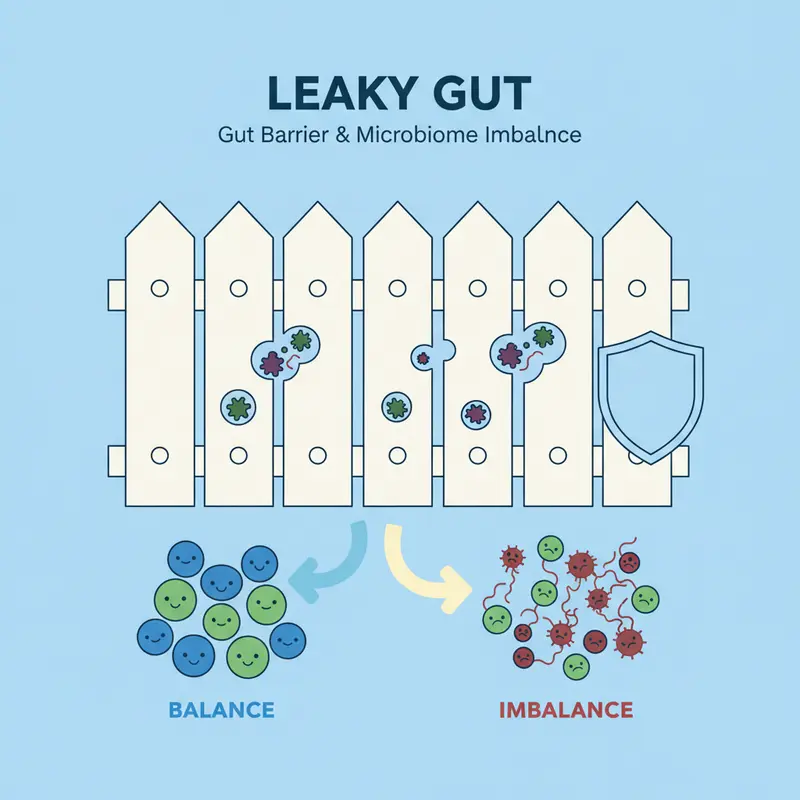
    These uninvited toxins don’t just annoy our gut; they actually make it ‘leaky.’ Imagine your garden fence having holes – suddenly all sorts of unwelcome things can sneak in! This means harmful stuff can get out of our gut and into our whole system, causing inflammation everywhere. Our gut bugs, those tiny helpers that keep us healthy, are especially vulnerable. Drinking poor-quality alcohol can really mess up their balance, letting the bad bugs take over. This imbalance, called dysbiosis, just makes the inflammation worse and makes it harder for our gut to heal. It’s a real recipe for an unhappy gut.

    When all these things are happening, our bodies show signs of inflammation. This is why we feel those classic rot gut symptoms like tummy aches, feeling queasy, and, ahem, needing to make a lot of trips to the bathroom. It seems that regular exposure to these toxic byproducts just keeps the damage going and causes more inflammation throughout our body.

    So, in a nutshell, the real reasons behind what causes rot gut boil down to the nasty interactions between alcohol’s breakdown products and how our gut reacts. Those toxins from not-so-great alcohols set off a cascade of problems, from messing with our metabolism to throwing off our gut bugs, all leading to inflammation and damage. Understanding this helps us deal with rot gut not just by treating the symptoms, but by getting to the root of the problem.

    Common Symptoms and What’s Happening Inside

    If you’re wondering what some of the signs are, and what might be going on behind the scenes, here’s a little peek:

    SymptomBiochemical MarkerMeasurement MethodAssociated Condition
    BloatingZonulinBlood testLeaky Gut Syndrome
    Stomach PainGastric acid levelsGastric pH testGastritis

    Easy Steps for a Happier Gut

    Healthy gut lifestyle with fiber-rich diet and moderate alcohol consumption
    Healthy gut lifestyle with fiber-rich diet and moderate alcohol consumption

    What can we do to keep our gut happy and avoid what causes rot gut in the first place? Here are a couple of things that seem to really help:

    • Eat a balanced diet, full of yummy fiber.
    • Don’t go overboard with alcohol – everything in moderation!

    Effects of dietary fibers or probiotics on functional constipation symptoms and roles of gut microbiota: a double-blinded randomized placebo trial.

    In conclusion, we found that the dietary fibers or probiotics may relieve hard stool, with intervention-specific changes in gut microbiota relevant to constipation relief.

    Case Study Example: When Gut Bugs Go Wild and Cause Rot Gut

    Here’s an example that shows how much those tiny gut bugs matter:

    Patient AgeSymptomsMicrobiome FindingsIntervention
    35Bloating, diarrheaReduced microbiome diversityProbiotic supplementation and dietary changes

    So, at the end of the day, that yucky ‘rot gut’ feeling isn’t just in your head. It’s our body telling us that something’s off because of those toxic bits in poorer quality alcohol. Recognizing what causes rot gut and its symptoms helps us make smarter choices, right? By taking small steps, like eating well and being mindful of our drinks, we can really cut down on the risk and keep our digestive system humming along happily.

    FAQ – Let’s Chat About Rot Gut!

    How do you get rid of Rot Gut?

    If you’re already feeling the pangs of rot gut, what can you do? First, ditch the low-quality alcohol. Then, focus on nurturing your gut with a healthy, fiber-rich diet and maybe some probiotics to help balance your gut bugs. Sometimes, if it’s really bad, a chat with your doctor might be a good idea.

    How do you know if you have Rot Gut?

    Common signs include feeling bloated, having stomach pain, nausea, and diarrhea. Your body might also be showing less obvious signs of gut damage, like elevated zonulin levels (which your doctor could test for).

    What foods are good for Rot Gut?

    Think gut-loving foods! Lots of fiber, fermented goodies like yogurt and kefir, and anything that helps those beneficial gut bugs thrive. Your gut will thank you!

    Why does my gut feel rotten?

    Ever wonder, “Why does my gut feel so rotten?” It’s often a signal that there’s inflammation, an imbalance in your gut microbes, or irritation from toxins – usually from not-so-great alcohol or unhealthy eating habits. It’s your body’s way of saying, “Hey, something’s not right down here!”

    Dietary fibre in gastrointestinal health and disease.

    Epidemiological studies have consistently demonstrated the benefits of dietary fibre on gastrointestinal health through consumption of unrefined whole foods, such as wholegrains, legumes, vegetables and fruits. Mechanistic studies and clinical trials on isolated and extracted fibres have demonstrated promising regulatory effects on the gut (for example, digestion and absorption, transit time, stool formation) and microbial effects (changes in gut microbiota composition and fermentation metabolites) that have important implications for gastrointestinal disorders.

  • Best Thing for Gut Health in the Morning: Science-Backed Morning Practices

    Best Thing for Gut Health in the Morning: Science-Backed Morning Practices

    Why Our Gut Loves a Good Morning Routine (and Mine Does Too!)

    Happy people starting morning routine
    Happy people starting morning routine

    Okay, so let’s be real, mornings can be a whirlwind at our house. Kids, breakfast chaos, getting out the door – sometimes I feel like I’m running a marathon before 8 AM! But over the past few years, I’ve learned something super important: how I start my day, especially what I put in my tummy, makes a huge difference not just for my energy, but for how I feel all day long. I’m talking about gut health, and honestly, figuring out the best thing for gut health in the morning has been a game-changer for me and my whole family. It’s not just about digestion; it’s about feeling good from the inside out and even keeping those pesky colds at bay! So, I want to share some easy, practical tips I’ve picked up – nothing fancy, just real-life stuff – about setting up a gut-friendly morning routine.

    Okay, so maybe “scientific insights” sounds a bit fancy, but stick with me! I used to think my gut just did its thing, you know? But then I started noticing that some mornings I’d feel sluggish, and others, totally on top of things. Turns out, there’s a real reason for this! Our gut is packed with trillions of tiny helpers – I like to call them our “tummy residents.” And guess what? They’re total morning people!

    Studies, which sound super official, basically show these little guys wake up with us. Their activity peaks in the morning, just like my kids’ energy levels after a good night’s sleep. This means that what we eat and drink right when we wake up can totally change their whole day, for better or worse. Think of your gut like a garden; if you give it good soil and sunshine in the morning, it’ll flourish! But if you throw in junk, well, it won’t be as happy.

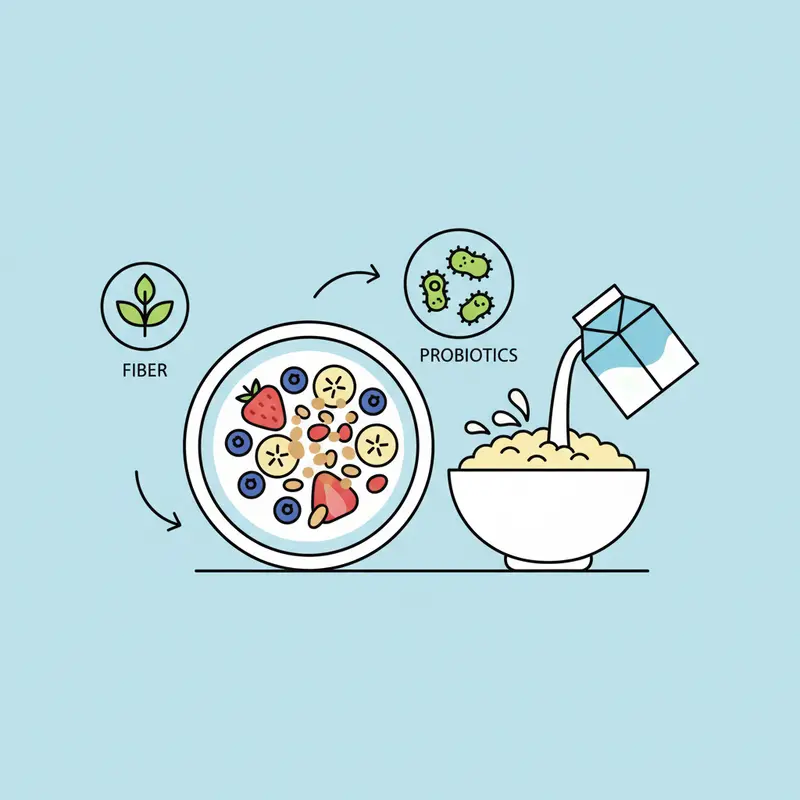
    For example, when I started adding fiber and good-for-you bacteria (we’ll call them probiotics!) to my breakfast, I felt a noticeable difference. My digestion improved, and I just felt lighter. On the flip side, those hurried, sugary pastries? My gut definitely felt that later. It’s like a morning gut routine can either set you up for success or… not so much.

    Also, timing is everything. Skipping breakfast or eating it way too late can really mess with our gut’s internal clock. I used to do this all the time when I was trying to squeeze in extra chores, and I’d end up with a rumbling tummy and feeling a bit off. However, a balanced breakfast, especially one with those good bacteria and some fiber, helps everything run smoothly.

    And here’s a cool bonus: a happy gut means a stronger immune system. My kids are always bringing home something from school, so keeping my immune system strong is a big deal! Our gut is actually a huge part of our body’s defense team. Therefore, by making smart choices in the morning, we’re not just helping our digestion; we’re actually boosting our body’s ability to fight off those everyday bugs.

    Seriously, giving our gut a little love first thing in the morning is one of the best things for gut health in the morning. It really sets the stage for a better day, from digestion to feeling generally healthier.

    Healthy breakfast foods for gut
    Healthy breakfast foods for gut
    Food ItemEffect on Gut HealthScientific Evidence LevelTypical Consumption Method
    YogurtBoosts those good-for-you probiotics in your gutHighPlain or with my favorite fruit
    OatmealGives your gut plenty of fiber and prebioticsModerateCooked with water or a splash of milk

    Effects of dietary fibers or probiotics on functional constipation symptoms and roles of gut microbiota: a double-blinded randomized placebo trial.

    In conclusion, we found that the dietary fibers or probiotics may relieve hard stool, with intervention-specific changes in gut microbiota relevant to constipation relief.

    My Go-To Morning Gut Health Checklist (Easy Peasy!)

    Morning checklist for gut health
    Morning checklist for gut health

    I’m all about simple steps, especially when mornings are crazy! Here’s my super easy checklist for a gut-friendly morning:

    • Hydration: First thing, drink 1-2 big glasses of water. Seriously, it’s like a gentle wake-up call for your insides!
    • Probiotic Power: Try to get some yogurt or other fermented goodies into your breakfast. Those good bacteria are so important!

    Children’s water intake and hydration: a public health issue.

    The findings show that, worldwide, most children do not meet adequate water intake recommendations.

    What My Gut-Happy Breakfast Looks Like (Just an Idea!)

    TimeMeal ComponentsExpected Benefits
    7:00 AMGreek yogurt with berries and a sprinkle of flaxseedsAdds good probiotics, fiber, and those healthy antioxidants

    See? It doesn’t have to be complicated! Just trying to weave a few of these simple, gut-friendly morning habits into your day can make such a difference. We’re talking about real, doable steps to nurture your tummy every morning.

    Okay, So What’s the Real Scoop?

    So, after all this chat, what’s really the best thing for gut health in the morning? For me, it boils down to two simple things: listening to your body and giving it some love right when you wake up. It’s about getting enough water and choosing foods that are kind to your gut – full of fiber and those amazing probiotics. Think of it as starting your day with a little gentle hug for your insides!

    Honestly, when I started paying attention to these small morning habits, my whole digestive system felt happier. I had more energy, and felt less bloated. It’s not about being perfect every single day, trust me! But consistently trying to make these choices can totally change how you feel. It turns your morning rush into a powerful chance to truly boost your gut health. And who doesn’t want a happier tummy?

    Your Morning Gut Questions, Answered by Me!

    Q: So, what’s the absolute best thing for your gut in the morning?
    A: Hands down, it’s eating a balanced breakfast soon after you wake up! Think foods packed with good probiotics and plenty of fiber. This really gets your gut’s tiny helpers active and keeps your digestive system humming.

    Q: What’s the first thing I should drink in the morning for gut health?
    A: Oh, easy! Grab 1-2 big glasses of plain water right when you get up. It’s like a refreshing drink for your gut, helping everything wake up and get moving.

    Q: What should I put in my stomach first thing in the morning?
    A: My personal go-to is water first to rehydrate. Then, I follow up with some gut-friendly foods like yogurt or oatmeal. These give your healthy gut bacteria the nourishment they crave!

    Q: What is the gut clearing morning ritual?
    A: It’s just a fancy way of saying we’re giving our gut a good, consistent start to the day! It means drinking water early, eating foods with prebiotics (fiber) and probiotics, and trying to eat around the same time each morning. It helps keep your healthy microbiome happy and your tummy rhythms regular.

    High-fiber diet ameliorates gut microbiota, serum metabolism and emotional mood in type 2 diabetes patients.

    The glucose homeostasis of participants with T2DM was improved by the high-fiber diet, and the serum metabolome, systemic inflammation and psychiatric comorbidities were also altered. The increased abundances of Lactobacillus, Bifidobacterium and Akkermansias revealed that the proportions of beneficial gut microbes were enriched by the high-fiber diet, while the abundances of Desulfovibrio, Klebsiella and other opportunistic pathogens were decreased.

  • How to Fix Your Gut for Good Women’s Health: Understanding the Hormone-Gut Connection

    Understanding the Unique Connection Between Women’s Hormones and Gut Health

    Hey there, fellow mamas! Remember those days when you’d feel totally bloated, moody, and just…off? For the longest time, I blamed it on my morning coffee or a late-night snack. But then I started noticing a pattern, especially around that time of the month. That’s when I stumbled onto something huge: figuring out how to fix your gut for good womens health isn’t just about what you eat. It’s deeply connected to our hormones, which are always doing their own dance throughout our lives—think monthly cycles, pregnancy, and even menopause. This whole hormonal rollercoaster can make our digestion feel totally out of whack and make those typical gut fixes less effective. So, let’s chat about how our unique female hormones influence our gut bugs and digestive system, and I’ll share some simple, practical steps I’ve learned to really support our gut health for women holistically.

    Hormones interacting with gut bacteria illustration
    Hormones interacting with gut bacteria illustration

    Okay, so let’s chat about this fascinating (and sometimes frustrating!) dance between our hormones and our bellies. This ‘hormone-gut connection’ is a big deal when we talk about gut health for women, and honestly, it’s something I feel gets overlooked way too often! Our estrogen and progesterone, those little powerhouses, directly chat with our gut bacteria and even affect how strong our gut lining is. Trust me, it’s pretty wild how they can change our digestion and even our immune system. I’ve learned that estrogen, for example, helps boost the good gut bugs that keep our gut barrier strong, while progesterone can affect how fast things move (or don’t move!) through our system and how our body responds to inflammation.

    Science-y folks have actually shown that during the menstrual cycle, when estrogen and progesterone levels bounce around, so does our gut bacteria. Ever noticed how you get super bloated in that ‘luteal phase’ when progesterone is high? Yep, that’s often because things are just slowing down in there. And oh, pregnancy? Nausea and constipation, anyone? My pregnancies were a total rollercoaster! Then menopause hits, and with less estrogen, our gut critters can get a bit less diverse, which can stir up inflammation and those annoying systemic symptoms. It’s a whole journey, isn’t it?

    Honestly, ladies, how many times have we just brushed off bloating, constipation, diarrhea, or tummy aches as ‘just how I am’ or ‘PMS’? It turns out these symptoms often wave a big flag, telling us they’re hormonally driven. And if we just try generic gut fixes without looking at those underlying hormone signals, we might just be spinning our wheels.

    This is why just trying a probiotic or a simple diet change might not be the whole answer for women’s gut health. If we don’t acknowledge what our hormones are up to, especially during big life changes like pregnancy or menopause, our efforts to fix our gut might just fall short.

    So, what’s a mama to do? My first tip, and it’s a game-changer, is to start tracking. Jot down your gut symptoms – bloating, tummy rumbling, anything – and see if they line up with your menstrual cycle, or if you’re in a new phase like pregnancy or menopause. It’s like being a detective for your own body, and it really helps personalize your approach to digestive health for women.

    Gut Health Factors Influenced by Female Hormones

    Table showing hormone effects on gut health
    Table showing hormone effects on gut health

    Here’s a little cheat sheet I found super helpful for understanding how our hormones can mess with our gut, and some simple steps we can take:

    HormoneEffect on Gut MicrobiomeCommon SymptomsSuggested Interventions
    EstrogenModulates gut bacteria diversityBloating, constipationIncrease fiber, probiotics
    ProgesteroneSlows gut motilityConstipation, discomfortHydration, regular exercise

    Mechanisms, Evaluation, and Management of Chronic Constipation.

    Symptoms vary among patients; straining, incomplete evacuation, and a sense of anorectal blockage are just as important as decreased stool frequency.

    Diet and Lifestyle Tips to Support Gut and Hormonal Health

    Healthy diet and lifestyle tips for gut health
    Healthy diet and lifestyle tips for gut health

    Beyond tracking, here are a few simple things I try to fold into my daily life. Remember, small steps!

    • Consume fermented foods daily: Think kimchi, sauerkraut, or a good quality yogurt. Your gut bugs will thank you!
    • Avoid high sugar intake: This one’s tough, but less sugar means less fuel for the not-so-good bacteria.
    • Manage stress through mindfulness: Stress messes with everything, including our gut. A few minutes of deep breathing or just noticing the world around you can make a big difference.

    In summary, ladies, our hormonal cycles are truly running the show when it comes to our gut health dynamics. Once we recognize this and start integrating these hormonal factors into how we manage our gut, we can finally develop effective, individualized strategies and genuinely improve our overall health outcomes. That’s truly how to fix your gut for good womens health!


    FAQ

    Q: How to restore women’s gut health?
    A: So, how do we get our gut health back on track as women? It’s all about finding that sweet spot for your gut bugs with good food and probiotics. But the secret sauce? Paying attention to our hormones! Track your cycle, listen to your body, and that’s how you start to tailor a plan that actually works.

    Q: What are the 4 R’s of gut repair?
    A: Ah, the ‘4 R’s’! I think of them like tidying up a messy playroom. First, you Remove the junk (harmful foods, toxins). Then, Replace what’s missing (like digestive enzymes, good nutrients). Next, you Reinoculate with good stuff (probiotics!). And finally, you Repair the walls (our gut lining) with nourishing foods. Simple, right?

    Q: What is the 7 day gut reset?
    A: The 7-day gut reset? Think of it like a mini spring clean for your insides! It’s basically a week where you really focus on eating clean, ditching anything that irritates your tummy, and loading up on foods that help your gut feel loved. It’s a great kickstart if you’re feeling sluggish!

    Q: What are the 3 F’s for gut health?
    A: The 3 F’s for a happy gut? Oh, I love this! It’s all about Fiber (think crunchy veggies and whole grains), Fermented foods (hello, kimchi!), and plenty of Fluids (water, water, water!). These three are like the foundational pillars for a healthy digestive system.

    Effects of dietary fibers or probiotics on functional constipation symptoms and roles of gut microbiota: a double-blinded randomized placebo trial.

    In conclusion, we found that the dietary fibers or probiotics may relieve hard stool, with intervention-specific changes in gut microbiota relevant to constipation relief.

  • My Journey to a Happy Tummy: A 7-Day Gut Reset Meal Plan & Tips for Feeling Great!

    My Journey to a Happy Tummy: A 7-Day Gut Reset Meal Plan & Tips for Feeling Great!

    Hey there, friends! It’s Luna, and let’s be real – who doesn’t want to feel better? Lately, making sure our guts are happy has become a big deal in our house. We’re all looking for ways to boost our digestion, balance that tiny universe inside us (you know, the microbiome!), and just generally feel awesome. This guide? It’s all about the effective strategies I’ve learned for a proper gut reset, complete with a detailed 7-day meal plan, simple hydration tips, and what I’ve found helpful with supplements. Whether you’re aiming to hit the reset button on your digestive system or gently rebuild your gut flora, understanding the right foods, timing, and daily habits is key to making those good feelings stick. It’s all about finding what makes your tummy smile!

    My Go-To Gut Reset Plans: Daily Schedules and Yummy Recipes

    When I first started looking into a gut reset, I felt a little overwhelmed, to be honest. It seemed like there was so much to know! But what I’ve learned is that an effective plan really comes down to thoughtful meal planning. This means focusing on gut-friendly foods, finding a rhythm with meal times, and getting our portion sizes just right. That’s why I love having precise daily schedules and recipes. They take the guesswork out of it and really help optimize our digestive health!

    My Family’s 7-Day Gut Reset Meal Plan Overview

    7-day gut reset meal plan chart
    7-day gut reset meal plan chart

    Okay, so here’s the nitty-gritty: I’ve put together a structured 7-day meal plan that includes breakfast, lunch, dinner, and snacks each day. It’s designed to pack in all those good prebiotic and probiotic ingredients our gut microbiome just loves. Each day, we focus on different sources of fiber, yummy fermented foods, and ingredients that help calm any inflammation.

    DayBreakfastLunchDinnerSnacksKey Nutrients
    1Greek yogurt with chia seeds and blueberriesQuinoa salad with chickpeas, cucumber, and kefir dressingGrilled salmon with steamed asparagus and sweet potatoApple slices with almond butterProbiotics, fiber, omega-3 fatty acids
    2Oatmeal with flaxseed and bananaLentil soup with carrots and garlicStir-fried tempeh with broccoli and brown riceKombucha and walnutsPrebiotics, protein, antioxidants

    Meal Timing and Portion Guidelines

    Meal timing and portion control for gut health
    Meal timing and portion control for gut health

    It’s not just what we eat, but when and how much that really helps our gut health. I try to space our meals every 3-4 hours. This helps prevent our gut from getting “overfed” and keeps our energy steady – which, as a mom, is totally essential! Portion sizes are flexible, designed to fit what our bodies need, aiming for about 20-30 grams of fiber daily.

    Hydration and Supplements

    Water and supplements for gut health
    Water and supplements for gut health

    And water! Oh my goodness, hydration is a game-changer. I aim for at least 2 liters of water daily; it’s like a gentle flush for your system, helping with digestion and getting rid of all the stuff our bodies don’t need. I’ve also found that a little extra help, like a good broad-spectrum probiotic and maybe some digestive enzymes, can make a real difference, especially during a gut reset.

    Recipe Design and Dietary Adjustments

    The recipes in this plan are designed to make your gut happy! They’re full of prebiotic fibers (think garlic, onions, asparagus – yum!) and probiotic-rich ingredients like yogurt, kefir, and tempeh. And don’t worry, we always keep common dietary needs in mind. If you’re gluten-free, we swap in grains like quinoa. If you prefer plant-based proteins, those are super easy to sub in too!

    What I’ve Learned (No Science Degree Needed!):

    Now, I’m not a scientist, but what I did learn from my deep dives (and talking to some super smart folks!) is that these kinds of plans really do help. My own experience, and what I’ve heard from friends, is that you can actually feel a difference in things like bloating and digestion after even just a week. It makes sense – these recipes are packed with all the good stuff our gut needs to thrive! It truly promotes the growth of those beneficial gut buddies.

    Compliance Tips and Modifications

    Let’s be real, life gets busy. Sticking to a gut reset takes a little planning, but it’s totally doable! I find using a simple checklist for essentials – like making sure we have fermented foods, a good variety of veggies, and fiber-rich snacks – really helps us stay on track. And for those of us with sensitive tummies, I’ve learned it’s best to introduce new fibers and fermented foods slowly. No need to rush it!


    A Little Sneak Peek: My Sample 7-Day Gut Reset Meal Plan

    DayBreakfastLunchDinnerSnacks
    Day 1Oatmeal with berriesGrilled chicken saladSteamed vegetables with quinoaAlmonds and apple slices

    Think of this as your friendly guide to kickstart your gut reset week. You got this!


    My Essential Gut Reset Tips

    • Stay hydrated throughout the day – water, water, water!
    • Include fermented foods daily; they’re like tiny helpers for your gut.
    • Avoid processed sugars and artificial sweeteners – your gut will thank you.
    • Consider probiotic-rich supplements, especially if your doctor or nutritionist agrees.

    These little habits really add up to make your gut reset a success. Small steps, big impact!


    So, there you have it! Getting your gut health back on track doesn’t have to be complicated. It’s all about giving your body some love with good food, plenty of water, and maybe a little probiotic boost. Trust me, when your gut is happy, you’ll feel happier, too. It’s like tending to a little garden inside you, and it’s totally worth it for that amazing energy and feeling of better digestive health!

    FAQ: Questions I Had (and You Might Too!)

    Okay, so I know you probably have a million questions, just like I did when I started. Here are some common ones that pop up when you’re thinking about a gut reset:

    Q: How do I completely reset my gut?
    A: Completely resetting your gut involves a combination of dietary changes. This means adopting a gut-friendly meal plan rich in prebiotics and probiotics, timing your meals to avoid overfeeding, staying super hydrated, and possibly using supplements like probiotics and digestive enzymes.

    Q: What are the 5 R’s of gut healing?
    A: The 5 R’s typically refer to Remove (irritants), Replace (digestive factors), Repair (gut lining), Rebalance (microbiome), and Re-inoculate (probiotics).

    Q: What is the best way to flush out your gut?
    A: Flushing out your gut safely involves consuming fiber-rich foods, increasing your water intake, and sometimes following guided detox plans that focus on whole foods and fermented items to help your body naturally eliminate toxins.

    Q: What is Dr. Gina Sam selling?
    A: Dr. Gina Sam is known for products related to gut health and detox programs designed to support digestive wellness. She focuses on natural and scientifically backed ingredients.