Category: Supplements

Centering on nutritional supplements, this category delves into probiotics (including those tailored for women), vitamins beneficial for the gut, and related supplement products to see how they support gut health.

  • How to Fix Your Gut for Good Women’s Health: Understanding the Hormone-Gut Connection

    Understanding the Unique Connection Between Women’s Hormones and Gut Health

    Hey there, fellow mamas! Remember those days when you’d feel totally bloated, moody, and just…off? For the longest time, I blamed it on my morning coffee or a late-night snack. But then I started noticing a pattern, especially around that time of the month. That’s when I stumbled onto something huge: figuring out how to fix your gut for good womens health isn’t just about what you eat. It’s deeply connected to our hormones, which are always doing their own dance throughout our lives—think monthly cycles, pregnancy, and even menopause. This whole hormonal rollercoaster can make our digestion feel totally out of whack and make those typical gut fixes less effective. So, let’s chat about how our unique female hormones influence our gut bugs and digestive system, and I’ll share some simple, practical steps I’ve learned to really support our gut health for women holistically.

    Hormones interacting with gut bacteria illustration
    Hormones interacting with gut bacteria illustration

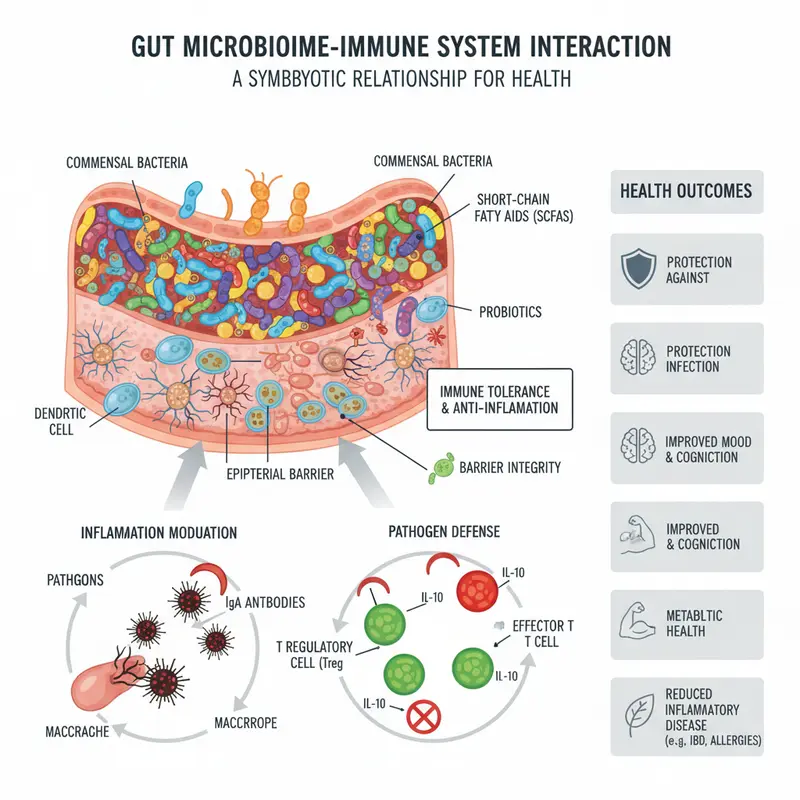
    Okay, so let’s chat about this fascinating (and sometimes frustrating!) dance between our hormones and our bellies. This ‘hormone-gut connection’ is a big deal when we talk about gut health for women, and honestly, it’s something I feel gets overlooked way too often! Our estrogen and progesterone, those little powerhouses, directly chat with our gut bacteria and even affect how strong our gut lining is. Trust me, it’s pretty wild how they can change our digestion and even our immune system. I’ve learned that estrogen, for example, helps boost the good gut bugs that keep our gut barrier strong, while progesterone can affect how fast things move (or don’t move!) through our system and how our body responds to inflammation.

    Science-y folks have actually shown that during the menstrual cycle, when estrogen and progesterone levels bounce around, so does our gut bacteria. Ever noticed how you get super bloated in that ‘luteal phase’ when progesterone is high? Yep, that’s often because things are just slowing down in there. And oh, pregnancy? Nausea and constipation, anyone? My pregnancies were a total rollercoaster! Then menopause hits, and with less estrogen, our gut critters can get a bit less diverse, which can stir up inflammation and those annoying systemic symptoms. It’s a whole journey, isn’t it?

    Honestly, ladies, how many times have we just brushed off bloating, constipation, diarrhea, or tummy aches as ‘just how I am’ or ‘PMS’? It turns out these symptoms often wave a big flag, telling us they’re hormonally driven. And if we just try generic gut fixes without looking at those underlying hormone signals, we might just be spinning our wheels.

    This is why just trying a probiotic or a simple diet change might not be the whole answer for women’s gut health. If we don’t acknowledge what our hormones are up to, especially during big life changes like pregnancy or menopause, our efforts to fix our gut might just fall short.

    So, what’s a mama to do? My first tip, and it’s a game-changer, is to start tracking. Jot down your gut symptoms – bloating, tummy rumbling, anything – and see if they line up with your menstrual cycle, or if you’re in a new phase like pregnancy or menopause. It’s like being a detective for your own body, and it really helps personalize your approach to digestive health for women.

    Gut Health Factors Influenced by Female Hormones

    Table showing hormone effects on gut health
    Table showing hormone effects on gut health

    Here’s a little cheat sheet I found super helpful for understanding how our hormones can mess with our gut, and some simple steps we can take:

    HormoneEffect on Gut MicrobiomeCommon SymptomsSuggested Interventions
    EstrogenModulates gut bacteria diversityBloating, constipationIncrease fiber, probiotics
    ProgesteroneSlows gut motilityConstipation, discomfortHydration, regular exercise

    Mechanisms, Evaluation, and Management of Chronic Constipation.

    Symptoms vary among patients; straining, incomplete evacuation, and a sense of anorectal blockage are just as important as decreased stool frequency.

    Diet and Lifestyle Tips to Support Gut and Hormonal Health

    Healthy diet and lifestyle tips for gut health
    Healthy diet and lifestyle tips for gut health

    Beyond tracking, here are a few simple things I try to fold into my daily life. Remember, small steps!

    • Consume fermented foods daily: Think kimchi, sauerkraut, or a good quality yogurt. Your gut bugs will thank you!
    • Avoid high sugar intake: This one’s tough, but less sugar means less fuel for the not-so-good bacteria.
    • Manage stress through mindfulness: Stress messes with everything, including our gut. A few minutes of deep breathing or just noticing the world around you can make a big difference.

    In summary, ladies, our hormonal cycles are truly running the show when it comes to our gut health dynamics. Once we recognize this and start integrating these hormonal factors into how we manage our gut, we can finally develop effective, individualized strategies and genuinely improve our overall health outcomes. That’s truly how to fix your gut for good womens health!


    FAQ

    Q: How to restore women’s gut health?
    A: So, how do we get our gut health back on track as women? It’s all about finding that sweet spot for your gut bugs with good food and probiotics. But the secret sauce? Paying attention to our hormones! Track your cycle, listen to your body, and that’s how you start to tailor a plan that actually works.

    Q: What are the 4 R’s of gut repair?
    A: Ah, the ‘4 R’s’! I think of them like tidying up a messy playroom. First, you Remove the junk (harmful foods, toxins). Then, Replace what’s missing (like digestive enzymes, good nutrients). Next, you Reinoculate with good stuff (probiotics!). And finally, you Repair the walls (our gut lining) with nourishing foods. Simple, right?

    Q: What is the 7 day gut reset?
    A: The 7-day gut reset? Think of it like a mini spring clean for your insides! It’s basically a week where you really focus on eating clean, ditching anything that irritates your tummy, and loading up on foods that help your gut feel loved. It’s a great kickstart if you’re feeling sluggish!

    Q: What are the 3 F’s for gut health?
    A: The 3 F’s for a happy gut? Oh, I love this! It’s all about Fiber (think crunchy veggies and whole grains), Fermented foods (hello, kimchi!), and plenty of Fluids (water, water, water!). These three are like the foundational pillars for a healthy digestive system.

    Effects of dietary fibers or probiotics on functional constipation symptoms and roles of gut microbiota: a double-blinded randomized placebo trial.

    In conclusion, we found that the dietary fibers or probiotics may relieve hard stool, with intervention-specific changes in gut microbiota relevant to constipation relief.
  • My Journey to a Happy Tummy: A 7-Day Gut Reset Meal Plan & Tips for Feeling Great!

    My Journey to a Happy Tummy: A 7-Day Gut Reset Meal Plan & Tips for Feeling Great!

    Hey there, friends! It’s Luna, and let’s be real – who doesn’t want to feel better? Lately, making sure our guts are happy has become a big deal in our house. We’re all looking for ways to boost our digestion, balance that tiny universe inside us (you know, the microbiome!), and just generally feel awesome. This guide? It’s all about the effective strategies I’ve learned for a proper gut reset, complete with a detailed 7-day meal plan, simple hydration tips, and what I’ve found helpful with supplements. Whether you’re aiming to hit the reset button on your digestive system or gently rebuild your gut flora, understanding the right foods, timing, and daily habits is key to making those good feelings stick. It’s all about finding what makes your tummy smile!

    My Go-To Gut Reset Plans: Daily Schedules and Yummy Recipes

    When I first started looking into a gut reset, I felt a little overwhelmed, to be honest. It seemed like there was so much to know! But what I’ve learned is that an effective plan really comes down to thoughtful meal planning. This means focusing on gut-friendly foods, finding a rhythm with meal times, and getting our portion sizes just right. That’s why I love having precise daily schedules and recipes. They take the guesswork out of it and really help optimize our digestive health!

    My Family’s 7-Day Gut Reset Meal Plan Overview

    7-day gut reset meal plan chart
    7-day gut reset meal plan chart

    Okay, so here’s the nitty-gritty: I’ve put together a structured 7-day meal plan that includes breakfast, lunch, dinner, and snacks each day. It’s designed to pack in all those good prebiotic and probiotic ingredients our gut microbiome just loves. Each day, we focus on different sources of fiber, yummy fermented foods, and ingredients that help calm any inflammation.

    DayBreakfastLunchDinnerSnacksKey Nutrients
    1Greek yogurt with chia seeds and blueberriesQuinoa salad with chickpeas, cucumber, and kefir dressingGrilled salmon with steamed asparagus and sweet potatoApple slices with almond butterProbiotics, fiber, omega-3 fatty acids
    2Oatmeal with flaxseed and bananaLentil soup with carrots and garlicStir-fried tempeh with broccoli and brown riceKombucha and walnutsPrebiotics, protein, antioxidants

    Meal Timing and Portion Guidelines

    Meal timing and portion control for gut health
    Meal timing and portion control for gut health

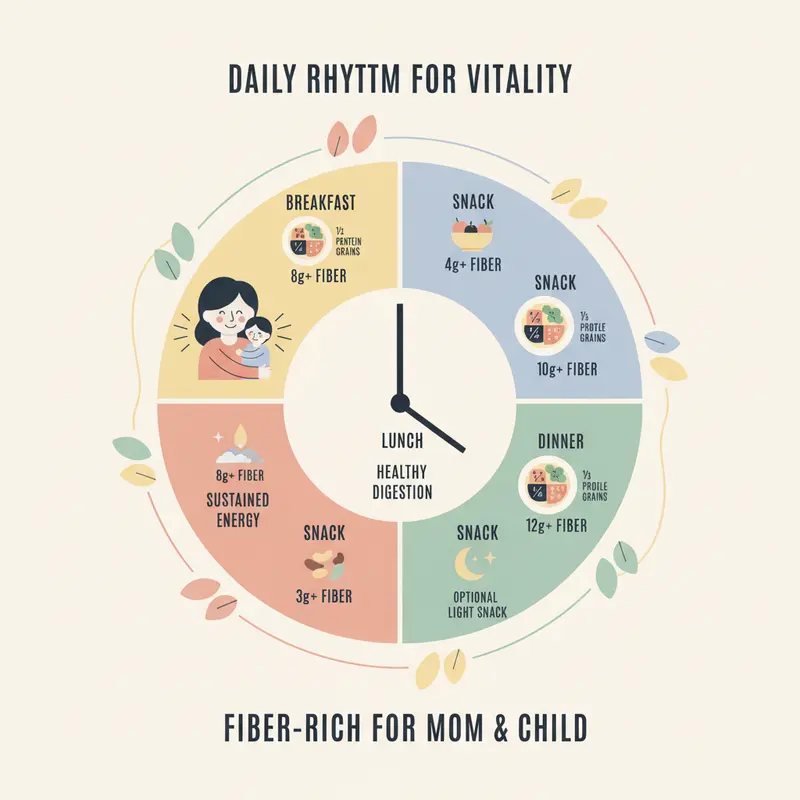
    It’s not just what we eat, but when and how much that really helps our gut health. I try to space our meals every 3-4 hours. This helps prevent our gut from getting “overfed” and keeps our energy steady – which, as a mom, is totally essential! Portion sizes are flexible, designed to fit what our bodies need, aiming for about 20-30 grams of fiber daily.

    Hydration and Supplements

    Water and supplements for gut health
    Water and supplements for gut health

    And water! Oh my goodness, hydration is a game-changer. I aim for at least 2 liters of water daily; it’s like a gentle flush for your system, helping with digestion and getting rid of all the stuff our bodies don’t need. I’ve also found that a little extra help, like a good broad-spectrum probiotic and maybe some digestive enzymes, can make a real difference, especially during a gut reset.

    Recipe Design and Dietary Adjustments

    The recipes in this plan are designed to make your gut happy! They’re full of prebiotic fibers (think garlic, onions, asparagus – yum!) and probiotic-rich ingredients like yogurt, kefir, and tempeh. And don’t worry, we always keep common dietary needs in mind. If you’re gluten-free, we swap in grains like quinoa. If you prefer plant-based proteins, those are super easy to sub in too!

    What I’ve Learned (No Science Degree Needed!):

    Now, I’m not a scientist, but what I did learn from my deep dives (and talking to some super smart folks!) is that these kinds of plans really do help. My own experience, and what I’ve heard from friends, is that you can actually feel a difference in things like bloating and digestion after even just a week. It makes sense – these recipes are packed with all the good stuff our gut needs to thrive! It truly promotes the growth of those beneficial gut buddies.

    Compliance Tips and Modifications

    Let’s be real, life gets busy. Sticking to a gut reset takes a little planning, but it’s totally doable! I find using a simple checklist for essentials – like making sure we have fermented foods, a good variety of veggies, and fiber-rich snacks – really helps us stay on track. And for those of us with sensitive tummies, I’ve learned it’s best to introduce new fibers and fermented foods slowly. No need to rush it!


    A Little Sneak Peek: My Sample 7-Day Gut Reset Meal Plan

    DayBreakfastLunchDinnerSnacks
    Day 1Oatmeal with berriesGrilled chicken saladSteamed vegetables with quinoaAlmonds and apple slices

    Think of this as your friendly guide to kickstart your gut reset week. You got this!


    My Essential Gut Reset Tips

    • Stay hydrated throughout the day – water, water, water!
    • Include fermented foods daily; they’re like tiny helpers for your gut.
    • Avoid processed sugars and artificial sweeteners – your gut will thank you.
    • Consider probiotic-rich supplements, especially if your doctor or nutritionist agrees.

    These little habits really add up to make your gut reset a success. Small steps, big impact!


    So, there you have it! Getting your gut health back on track doesn’t have to be complicated. It’s all about giving your body some love with good food, plenty of water, and maybe a little probiotic boost. Trust me, when your gut is happy, you’ll feel happier, too. It’s like tending to a little garden inside you, and it’s totally worth it for that amazing energy and feeling of better digestive health!

    FAQ: Questions I Had (and You Might Too!)

    Okay, so I know you probably have a million questions, just like I did when I started. Here are some common ones that pop up when you’re thinking about a gut reset:

    Q: How do I completely reset my gut?
    A: Completely resetting your gut involves a combination of dietary changes. This means adopting a gut-friendly meal plan rich in prebiotics and probiotics, timing your meals to avoid overfeeding, staying super hydrated, and possibly using supplements like probiotics and digestive enzymes.

    Q: What are the 5 R’s of gut healing?
    A: The 5 R’s typically refer to Remove (irritants), Replace (digestive factors), Repair (gut lining), Rebalance (microbiome), and Re-inoculate (probiotics).

    Q: What is the best way to flush out your gut?
    A: Flushing out your gut safely involves consuming fiber-rich foods, increasing your water intake, and sometimes following guided detox plans that focus on whole foods and fermented items to help your body naturally eliminate toxins.

    Q: What is Dr. Gina Sam selling?
    A: Dr. Gina Sam is known for products related to gut health and detox programs designed to support digestive wellness. She focuses on natural and scientifically backed ingredients.

  • My Personal Quest: Decoding Sugar-Free Probiotics for a Happy Gut (And How We Found Our Favorites!)

    My Personal Quest: Decoding Sugar-Free Probiotics for a Happy Gut (And How We Found Our Favorites!)

    Let’s be real, trying to keep our family healthy can feel like a full-time job, right? Especially when you’re trying to cut down on sugar but still want to make sure everyone’s gut is happy and thriving. For me, that’s where the hunt for the perfect sugar-free probiotic began. I wanted all the amazing gut health benefits—those wonderful beneficial bacteria working their magic—without any unnecessary sugar crashes or hidden nasties. If you’re like me, trying to manage blood sugar or just aiming for cleaner nutrition, you know how tricky it can be to find the right balance.

    Finding a good sugar-free probiotic means combining those fantastic gut-friendly bacteria with sweeteners that won’t send blood sugar levels soaring. Trust me, I’ve done a lot of label reading in the grocery store aisles! In this little guide, I want to share what I’ve learned about the common sweeteners hiding in these products, how safe they are, and my personal tips for picking a sugar-free probiotic that truly fits your family’s needs.

    Let’s Talk Sweeteners: What’s Really in Our Sugar-Free Probiotics (And Are They Safe for Our Guts?)

    Various sweeteners in sugar-free probiotics
    Various sweeteners in sugar-free probiotics

    When I first started diving into the world of sugar-free probiotics, I realized understanding the sweeteners was a huge piece of the puzzle. Especially if you or someone in your family has sensitivities or health conditions like diabetes, knowing what you’re putting into your body is essential. These products often use both artificial and natural sweeteners to make them taste good, all while trying to keep us healthy.

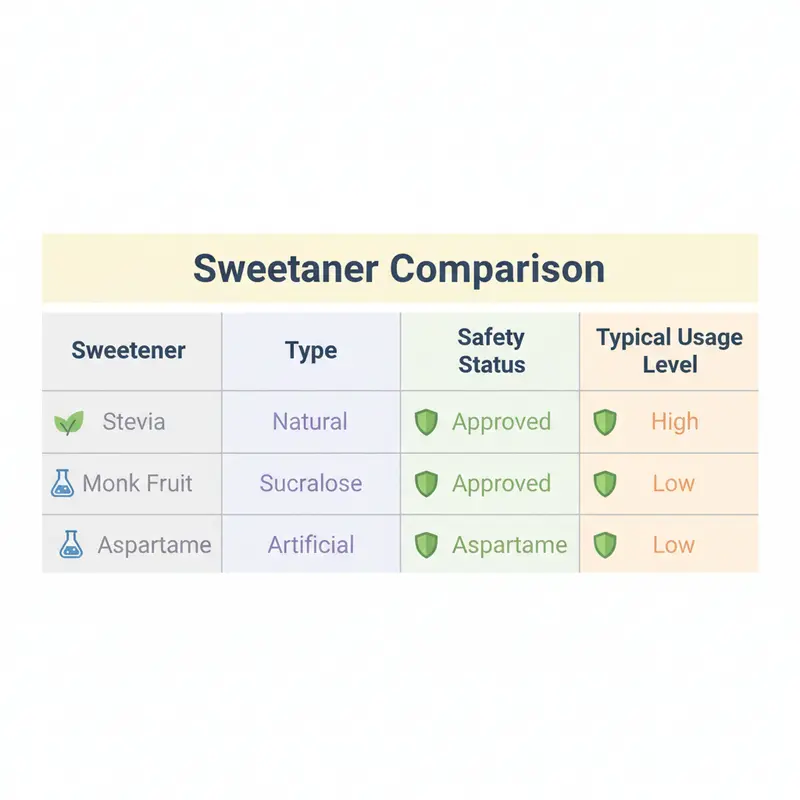
    So, what are these mysterious sweet things? We often see stevia, erythritol, and sucralose on the labels of sugar-free probiotics. Stevia, my personal favorite, comes from the Stevia rebaudiana plant. It’s a natural sweetener with zero calories and barely touches blood sugar. Then there’s erythritol, a sugar alcohol that tastes similar to sugar but has a super low glycemic index. Our bodies largely pass it through without absorbing much, which keeps the calorie count low. And finally, sucralose, an artificial sweetener that’s incredibly sweet—about 600 times sweeter than sugar! It’s super stable, which makes it popular in many probiotic formulations.

    Now, for the big question: are these even safe? The good news is, big organizations like the FDA and EFSA generally give these sweeteners a “generally recognized as safe” (GRAS) stamp of approval. Studies suggest that stevia and erythritol usually don’t cause many side effects. Sucralose, however, still has some experts looking into its long-term effects on our gut microbes. For folks with sensitivities, or if you’re managing blood sugar, erythritol and stevia are often preferred because they have such a minimal impact on glucose. Some people, myself included, have found sucralose can sometimes cause a little digestive upset.

    Let’s be real, reading labels can feel like a chore, but it’s so important! I always tell my friends to look for brands that aren’t shy about what they put in there. High-quality products should clearly list all their sweeteners. This transparency lets us make informed choices, avoid potential triggers, and pick the sugar-free probiotic that aligns with our personal health goals.

    Here’s a little tidbit I learned on my journey: Believe it or not, the sweeteners aren’t just for taste! Some, like erythritol, actually help those good beneficial bacteria stay alive and kicking, which is pretty cool. On the flip side, some artificial sweeteners, depending on their chemical makeup, might actually interfere with how well our probiotics work or even mess with our delicate gut microbiome balance. It’s a balancing act, for sure!

    So, what’s the takeaway? For me, it boils down to being a bit of a detective. I really try to pick sugar-free probiotics that use natural sweeteners with established safety records and a good track record with those beneficial bacteria. This ingredient-level understanding empowers us to make better decisions, ensuring we get all the good without compromising our overall health.

    Table comparing sweeteners for probiotics
    Table comparing sweeteners for probiotics
    SweetenerType (Artificial/Natural)Safety StatusTypical Usage Level
    SucraloseArtificialFDA-Approved GRAS<5% by weight
    Grocery aisle with probiotic supplements
    Grocery aisle with probiotic supplements

    When I’m standing in the grocery aisle, here’s my mental checklist for picking out the best sugar-free probiotic for our family. It helps me stay focused and not get overwhelmed!

    Check for FDA GRAS sweetener status: Is it generally considered safe?

    Verify absence of sugar: This sounds obvious, but sometimes “sugar-free” can be sneaky!

    Confirm probiotic CFU count: Are there enough good guys to actually make a difference?

    Review potential allergens: Especially important with kids!

    * Consider preservatives and additives: The simpler, the better, in my book.

  • Top Vitamins for Gut Health: Essential Supplements Explained

    Top Vitamins for Gut Health: Essential Supplements Explained

    Let’s be real, as a busy mom, I’m always looking for ways to keep my family feeling good. And trust me, I’ve learned that a healthy gut is like the secret sauce for overall wellness and even fighting off those school-year sniffles! We’ve seen that certain vitamins for gut health are absolute game-changers. They’re not just ‘nice-to-haves’; they actually help keep our gut lining strong, balance all those tiny microbes, and make digestion smoother. If you’re trying to figure out which supplements truly support your digestive wellness – without all the hype – you’re in the right place. Let’s dive into some essential gut health vitamins.

    Understanding Key Vitamins Essential for Gut Health

    So, what exactly are these key gut health vitamins? Well, after a lot of learning (and some trial and error in our own kitchen!), I’ve realized that our gut really relies on a strong lining, a happy balance of good bacteria, and smooth digestion. Guess what? All of this ties back to the vitamins we get! It’s not just about popping any old multivitamin and hoping for the best. Nope, science actually shows that specific vitamins make a real difference to our gut’s structure and the tiny communities living inside. This means we can focus on what truly works.

    Vitamin D

    Illustration of Vitamin D strengthening gut lining
    Illustration of Vitamin D strengthening gut lining

    Okay, first up is Vitamin D – the sunshine vitamin! I used to think it was just for bones, but turns out, it’s a huge player for our gut, too. Vitamin D really helps keep that protective gut lining strong. It also fine-tunes our immune system and boosts the proteins that literally hold our gut cells together. Pretty neat, right? When we don’t get enough Vitamin D, studies show our gut lining can become a bit ‘leaky,’ and our gut bugs can get out of whack. This can unfortunately make things worse for any tummy troubles we might have.

    B-Complex Vitamins

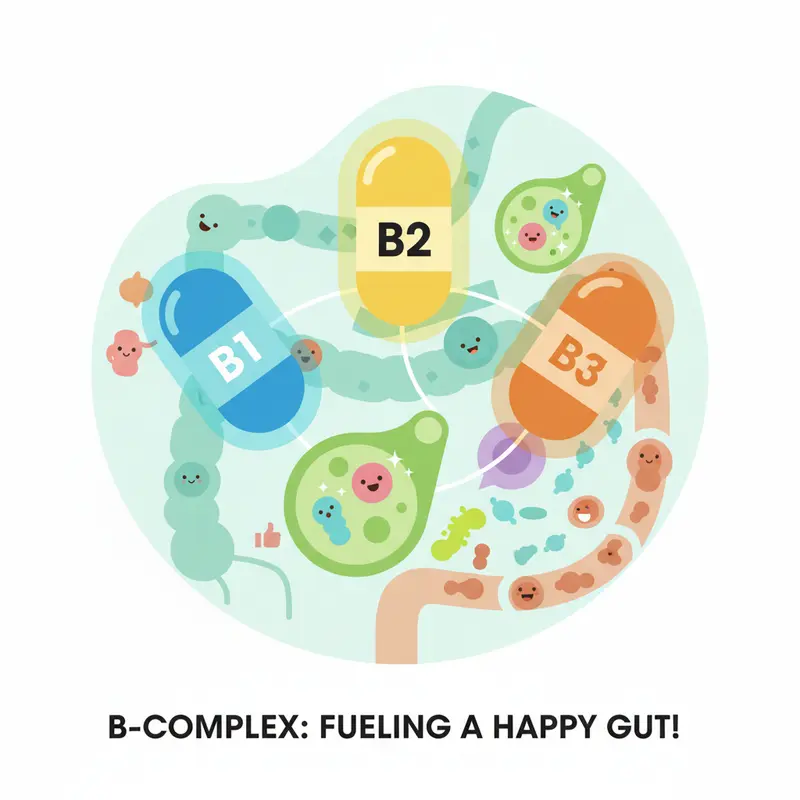
    B-Complex vitamins energizing gut cells
    B-Complex vitamins energizing gut cells

    Next, we have the B-Complex vitamins. Think of these as the little energy workers for our gut cells. Especially B1 (Thiamine), B2 (Riboflavin), and B3 (Niacin) – they’re super important for helping our gut lining get the energy it needs to function properly. Plus, these vitamins help produce important compounds that keep our gut microbes happy and balanced. I’ve read that taking B vitamins can even help things move along better and encourage a wider variety of good bacteria in our tummies. It’s like they’re helping the whole gut ecosystem thrive!

    Vitamin A

    Vitamin A boosting gut immune defense
    Vitamin A boosting gut immune defense

    Then there’s Vitamin A. This one is like our gut’s personal bodyguard and repair crew! It really boosts our gut’s immune system and helps those gut lining cells regenerate. Vitamin A is also key in managing our gut’s immune defenses and encourages the creation of special antibodies, called IgA, which keep our gut bacteria in check. What I’ve learned is that not getting enough Vitamin A can actually weaken our gut’s defenses and mess with those important microbial communities. So, it’s definitely a team player for strong gut support.

    Fat-Soluble vs Water-Soluble Vitamins

    Okay, a quick little science-y bit here, but trust me, it’s helpful! We have two main types of gut health vitamins: fat-soluble (like A, D, E, and K) and water-soluble (like the B-Complex and C). Fat-soluble vitamins get absorbed with the fats we eat and hang around in our bodies for a bit longer. Water-soluble ones, however, get used up or flushed out pretty quickly, so we need to replenish them regularly. This difference actually means they impact our gut health and those tiny microbes in different ways. The fat-soluble ones can have more lasting effects, while the water-soluble ones are busy supporting our gut’s daily hustle and bustle.

    Misconceptions

    Now, let’s clear up a few things. It’s easy to think all vitamins are magic bullets for our gut, but that’s not quite true! Not every single vitamin directly helps our gut, and their effectiveness really depends on whether you actually need them and how well your body can absorb them. More isn’t always better, either. Taking too many vitamins for gut health can actually throw off your gut balance, which we definitely don’t want! So, I’ve learned that getting a personalized plan, maybe even with some testing, really gives the best results. It’s all about what your body truly needs.

    Key Vitamins and Their Roles in Gut Health

    Alright, so we’ve talked about a few of the big players. To make it super easy, here’s a quick look at some of the top vitamins for gut health and what they do. This little snapshot helped me when I was first trying to figure out how to best support our family’s digestive wellness. Remember, vitamins like D and B-Complex have specific jobs to keep our gut barrier strong and our microbes balanced. Knowing this helps us make smarter choices for our tummies!

    VitaminPrimary Gut Health RoleRecommended Daily Intake (RDI)Common Food Sources
    Vitamin DModulates gut microbiota diversity600 IUFatty fish, fortified milk
    B-Complex VitaminsSupports gut barrier function and energy metabolismVaries by type; e.g. B12: 2.4 mcgMeat, eggs, leafy greens

    Checklist for Selecting Gut Health Vitamin Supplements

    So, once you know which gut health vitamins you’re looking for, how do you pick the right supplement? It can feel overwhelming, right? Here’s a little checklist I use that helps me navigate the options. Think of it as your shopping guide for good gut support:

    • Assess ingredient quality: Always look for high-quality ingredients.
    • Check scientific backing of claims: Make sure there’s actual research behind what they promise.
    • Verify dosage levels: Ensure the dosage is appropriate for your needs.
    • Evaluate bioavailability: This just means making sure your body can actually use the vitamin!
    • Read customer reviews: Real-life experiences can tell you a lot.

    Conclusion

    Phew! We’ve covered a lot, haven’t we? For me, finding the right vitamins for gut health isn’t about chasing the latest fad or grabbing the prettiest bottle. It’s really about understanding what truly helps our gut lining, boosts our immune system, and keeps those tiny microbes in harmony. Vitamins D, B-Complex, and A have consistently shown up as the real MVPs here. So, let’s keep it simple: choose quality, get the right amount, and know that you’re taking thoughtful steps to support your whole family’s digestive wellness naturally and safely. You got this!

    FAQ

    Which vitamin is best for gut health?
    Honestly, there isn’t just one ‘best’ vitamin, but a few stand out as amazing helpers for our gut! From what I’ve learned, Vitamin D, the B-Complex gang (especially B1, B2, and B3), and Vitamin A really shine. They’re all super effective at keeping our gut lining strong and our gut bugs happy and balanced.

    What are the symptoms of an unhealthy gut?
    Oh, the signs of an unhappy gut can show up in so many ways! We’ve noticed things like bloating, tummy aches, feeling tired all the time, or even catching every little bug that goes around. These can definitely be clues that our gut microbes might be a bit out of whack or that there’s some inflammation brewing.

    What is the 14-day gut reset?
    The ’14-day gut reset’ is basically a focused two-week plan. It often involves changing your diet (sometimes cutting out certain foods for a bit), adding in good probiotics, and making sure you’re getting key vitamins for gut health. The idea is to give your gut a little vacation and help it rebalance itself.

    What is best to heal your gut?
    To really heal your gut, I’ve found it’s all about the basics: a colorful, balanced diet packed with fiber, good probiotics, and those superstar gut health vitamins like D, B-Complex, and A. But don’t forget the lifestyle stuff too – enough sleep, managing stress, and moving your body. It’s truly a holistic approach for happy guts!

  • Best Gut Supplements for Tailored Digestive Health in Adults

    Best Gut Supplements for Tailored Digestive Health in Adults

    Oh boy, if there’s one thing I’ve learned from juggling school lunches and bedtime stories, it’s that our bodies are constantly changing! And trust me, our tummies are no exception. I used to think “gut health” was just for health gurus, but after a few too many upset tummies in our house – mine included! – I realized how crucial it is for feeling good overall. We all have different needs, right? What works for my husband might not work for me, especially when it comes to our digestive systems. This article is all about helping us find the best gut supplements for us adults, whether you’re dealing with pesky IBS, just need some daily digestive support, or navigating other health stuff. I’m here to share what I’ve learned about choosing the right ones to keep our gut flora happy and support our long-term wellness, because a happy gut truly means a happier home!

    Comprehensive Comparison of Gut Supplements for Different Age Groups and Health Conditions

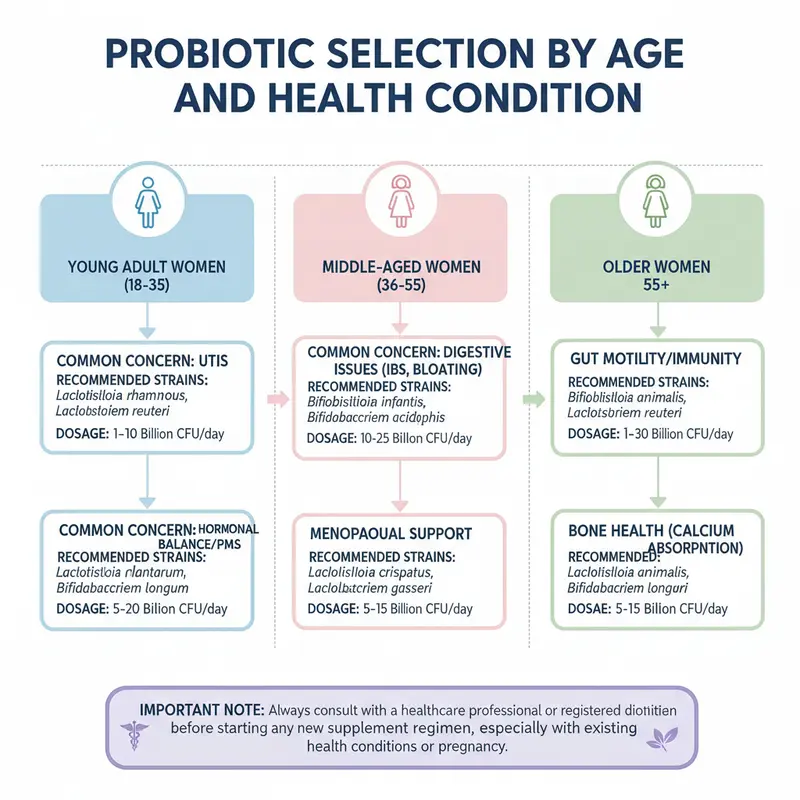
    Illustration of gut supplements for different age groups
    Illustration of gut supplements for different age groups

    Okay, so figuring out the right gut supplements can feel a bit like trying to pick the perfect craft beer in Portland – so many options, and what’s right for you isn’t right for everyone! Our needs really do change as we get older, and depending on what our bodies are going through. Let’s break down some common scenarios and see what might be a good fit for different folks, from young adults to those of us rocking the 40s and beyond.

    If you’re in your 20s to mid-30s, you’re probably juggling a lot – maybe a new career, busy social life, or even early parenthood (been there!). All that stress and varied eating can mess with your gut. For this age group, classic probiotics with Lactobacillus and Bifidobacterium strains are often a great starting point. They help keep your gut flora balanced. Think of it like giving your tummy a little reset button! Studies even show that lots of people in this age range feel up to 65% better with these probiotics.

    Now, for those of us in our mid-30s to mid-40s, like me, our guts might start showing early signs of wear and tear. This is where those fabulous synbiotics (that’s just a fancy word for prebiotics and probiotics together!) come in handy. They help boost the good bugs and improve how your body soaks up nutrients. If you’re struggling with bloating or “oops, gotta go!” moments, especially with IBS, these combos have been shown to reduce symptoms by about 55%. Pretty cool, right?

    And for our friends over 46, or if you’re dealing with something more serious like autoimmune issues, you might want to look into postbiotics such as butyrate or fermented plant extracts. I think of them as tiny little peacekeepers for your gut. They’re great for calming inflammation. Research suggests they can actually make a big difference in reducing symptoms for about 60% of people with specific gut problems, helping to strengthen that gut lining.

    If IBS is your daily companion, specific gut supplements like Bifidobacterium infantis probiotics often get a gold star. They’re known for easing tummy pain and getting things moving (or stopping, depending on what your gut needs!). For autoimmune stuff, it’s all about being super careful. We want things that calm inflammation and support your immune system, but please, please chat with your doctor first. What works for a 30-year-old might be different for a 60-year-old in this situation.

    And hey ladies, our bodies are unique! Those hormonal rollercoasters we ride through our reproductive years? They can totally shake up our gut. So, some probiotics that help with estrogen metabolism can be especially helpful for us. It’s a subtle thing, but it can make a big difference in how we feel.

    So, the big takeaway? Your age and overall health are huge clues when choosing gut supplements. It’s not about finding the perfect pill, but finding what’s perfect for you. Think of it as building your own custom health team with probiotics, prebiotics, synbiotics, and postbiotics. It’s all about personalizing your approach for happy, healthy digestion!

    Comparison of Key Ingredients in Top-Rated Gut Supplements by Demographic Target

    Table showing key ingredients in gut supplements by demographics
    Table showing key ingredients in gut supplements by demographics
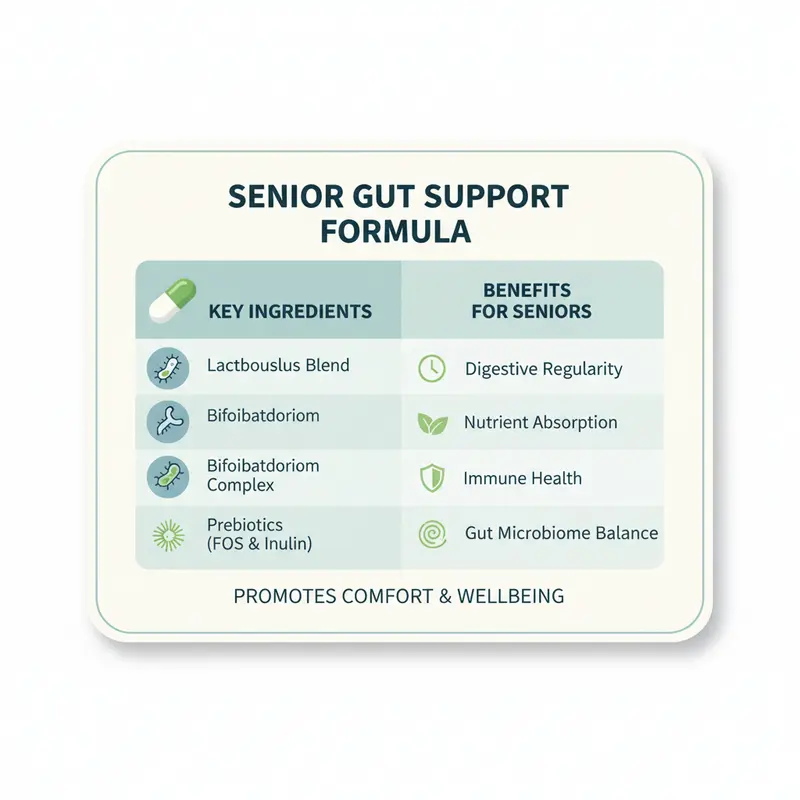
    Product NameTarget GroupKey IngredientsSupplement Type (Probiotic/Enzyme/Prebiotic)Dosage Form
    GutHealth PlusSeniorsLactobacillus acidophilus, Bifidobacterium, Digestive EnzymesProbiotic & EnzymeCapsule

    Guideline Checklist for Safe Gut Supplement Use by Age Group

    – Age Group: Elderly

    – Check for Pre-existing Conditions: Yes

    – Recommended Dosage Range: 10-20 billion CFU

    – Known Interactions: Possible antibiotic interaction

    – Consult Healthcare Provider: Yes

    Example Case Study Summary of Gut Supplement Impact on IBS in Middle-aged Adults

    Case study summary on gut supplement effects on IBS
    Case study summary on gut supplement effects on IBS
    AgeConditionSupplement UsedReported OutcomeDuration
    45IBSMultistrain Probiotic BlendReduced symptoms and improved digestion8 weeks

    Tips for Choosing the Right Gut Supplement:

    • Make sure your gut supplements have strains that are actually backed by science. We want the real deal, not just marketing fluff!
    • Always think about your specific health needs and how old you are. What works for a teen might not be right for a grandma (or vice versa!).
    • Seriously, always have a chat with your doctor or healthcare provider before you start any new supplement. They’re like your personal health coaches!

    Conclusion

    So, there you have it! Finding the right gut supplements can honestly make a world of difference in how you feel, inside and out. It’s not about being perfect, but about taking those small, mindful steps for your digestive health. Remember, it’s all about choosing what works best for you, tailored to your age and unique body. When we pick our probiotics, prebiotics, and even those cool postbiotics wisely – with a little science smarts and a lot of self-awareness – we’re setting ourselves up for happier tummies and a healthier life. Cheers to that!

  • Best Probiotic for Women: Top Picks, Safety, and Trends in 2025

    Best Probiotic for Women: Top Picks, Safety, and Trends in 2025

    Choosing the right probiotic is essential for women seeking to improve vaginal health, digestion, immune function, and overall wellness. With numerous products targeted at women, featuring diverse strains and benefits, understanding effective strains, proper dosing, and emerging trends can empower women to make informed choices. This article explores the best probiotics tailored for women, how to select the ideal product for your health profile and age, long-term safety of daily use, integration with prebiotics, and innovations shaping the market.

    Table of Contents

    • Comparative Analysis of Top Probiotics Tailored for Women
    • How to Choose the Right Probiotic Based on Your Health Profile and Age
    • Long-Term Safety and Benefits of Daily Probiotic Use for Women
    • Integrating Prebiotics and Synbiotics with Probiotics for Enhanced Women’s Health
    • Emerging Trends and Innovative Probiotic Formulations for Women
    (more…)
  • Hack Your Health: The Secrets of Your Gut – Unlock Optimal Gut Health

    Hack Your Health: The Secrets of Your Gut – Unlock Optimal Gut Health

    Unlock the mysteries of your digestive system with “Hack Your Health: The Secrets of Your Gut.” This article delves into the documentary’s scientific revelations, testing essentials, diet strategies, plus real-world success stories to empower health-conscious individuals. Discover actionable gut health hacks grounded in expert advice and cutting-edge research to enhance your wellbeing and vitality.

    Table of Contents

    • Scientific Insights Behind ‘Hack Your Health: The Secrets of Your Gut’
    • Comprehensive Guide to Gut Health Testing as Featured in the Documentary
    • Practical Gut-Healthy Diet and Meal Plans Inspired by the Documentary
    • User Experiences and Case Studies From Following Gut Health Strategies
    • Where to Access the Documentary and Related Resources Including Books

    (more…)