
Understanding How Gut Cleansing Affects Your Microbiome Balance
Oh, the never-ending dance of family life! Just the other day, my littlest one was complaining about a tummy ache after a weekend full of birthday cake and not nearly enough veggies. It got me thinking (again!) about how much our gut health truly impacts everything—from keeping those tiny tummies happy to how we adults feel day in and day out. For a while, I’ve been curious about how to cleanse your gut effectively. I mean, we all want to feel better, right? But the idea of doing it in a way that supports our body’s natural rhythm, rather than just hitting a reset button and hoping for the best, has become super important to me.
So, let’s chat about getting that digestive comfort back and supporting our amazing internal ecosystem. In this article, I’ll share what I’ve learned about how gut cleansing impacts your microbiome, some safe practices I’ve picked up, and practical advice for anyone (like me!) looking for a natural, sensible approach to overall gut health. It’s less about a quick fix and more about building healthy habits, trust me!
Okay, so picture your gut as this vibrant, bustling garden. It’s full of tiny little workers—trillions of them!—all doing their part to keep you healthy. This whole community is called your microbiome, and it’s essential for everything from how you digest your food to how your immune system behaves, and even your mood. When we talk about how to cleanse your gut, it’s like we’re thinking about tending to that garden. We want to clear out the weeds, sure, but we definitely don’t want to accidentally rip out all the beautiful flowers and helpful critters too, right?
Sometimes, things like special diets, colonics, or even liquid fasts are used to give the gut a “cleanse.” These methods can be pretty intense, like a big garden overhaul. While they might help clear out some of the “bad” stuff, they can also, often unintentionally, sweep away some of the “good” bacteria. This can really shift the balance in your gut garden, and not always in a good way.
I’ve learned that when people do a short-term cleanse, the diversity of their gut microbiome can actually drop quite a bit. It’s like suddenly having fewer types of plants in your garden. For example, some of those really beneficial bacteria, like the ones you find in yogurt, might take a temporary hit. When that happens, your digestive health might feel a little off, and your immune system might not be quite as robust.
Now, what happens long-term can vary. Some people find that their gut garden bounces back beautifully, especially if they follow up with a balanced, nourishing diet. But if you’re constantly “cleansing” or going overboard, you risk messing things up permanently. Think of it like over-pruning your plants—it can create space for less desirable things to grow, leading to more inflammation and a weaker gut lining. Yikes! I’ve heard stories (and let’s be real, had my own moments of “too much of a good thing”) where too much cleansing just made people feel worse.
What I’ve gathered from smart folks (and my own experience) is that moderation is key. A single, well-thought-out gut cleanse, especially when paired with probiotics and super nutritious foods, can actually help your gut garden recover and flourish. But going wild with frequent, harsh cleanses? That just risks undermining the whole delicate ecosystem. We want to support our little gut buddies, not stress them out!
So, the takeaway is this: how to cleanse your gut really affects your microbiome by temporarily changing its diversity and composition. To keep that beautiful gut garden thriving, we need practices that are gentle, minimize disruption, and actively support those beneficial bacteria. It’s all about being a kind, thoughtful gardener!
Human gut microbiota/microbiome in health and diseases: a review.
The human gut microbiota has received considerable interest in the recent years and our knowledge of the inhabitant species and their potential applications is increased particularly after the development of metagenomic studies.
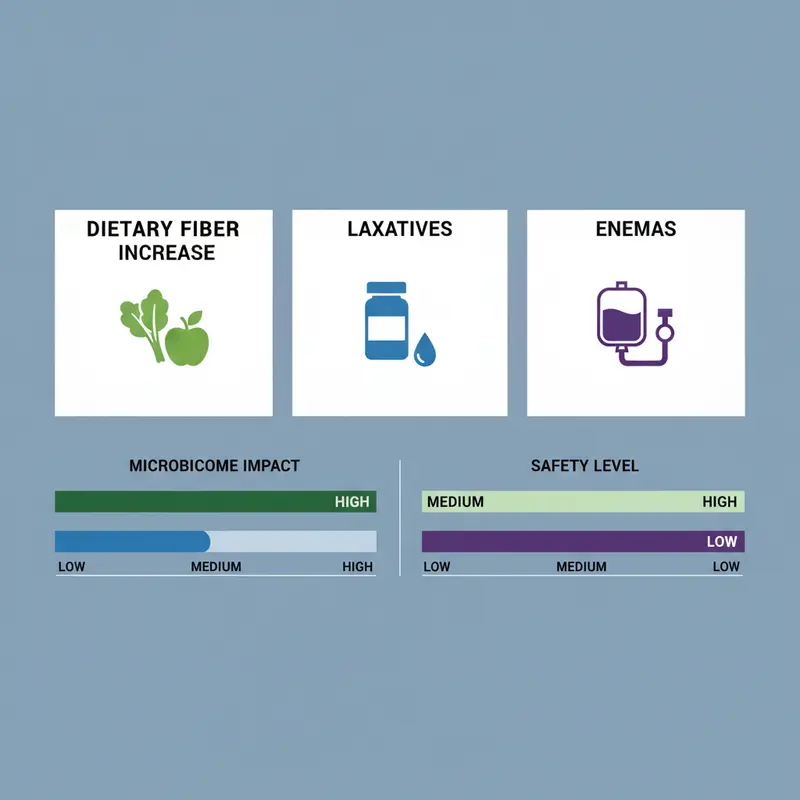
Comparison of Gut Cleansing Methods and Microbiome Impact
Thinking about different ways to give your gut a little refresh? Here’s a quick look at some common methods and how they might impact your microbiome—and remember, gentler is often better!
| Method | Description | Microbiome Impact Level | Safety Level |
|---|---|---|---|
| Dietary Fiber Increase | Increasing fiber intake to support colon function | High | High |
| Laxatives | Use of chemical or herbal laxatives to induce bowel movements | Moderate | Medium |
| Enemas | Introducing fluids into the colon for cleansing | Variable | Low to Medium |
In conclusion, we found that the dietary fibers or probiotics may relieve hard stool, with intervention-specific changes in gut microbiota relevant to constipation relief.
Safe Gut Cleansing Practices to Support Microbiome
If you’re wondering how to cleanse your gut in a way that feels supportive and safe, here are a few simple tips that have made a big difference for me and my family:
- Stay hydrated throughout the cleanse: Water is your best friend! It helps everything move along smoothly.
- Avoid excessive use of laxatives: Trust me, you don’t want to overdo it here. It can be harsh on your system.
- Prefer natural fiber sources: Think fruits, veggies, whole grains. These are like a gentle broom for your gut.
- Consult a healthcare provider before a cleanse: Especially if you have any existing health conditions. It’s always smart to get a professional opinion!
This more nuanced understanding has really helped me navigate the world of gut cleansing. It’s about enhancing my overall gut health without compromising that incredible, delicate microbial ecosystem that works so hard for me every single day. Let’s aim for gentle support, not harsh overhauls!
Results were synthesized using risk ratios (RRs), mean differences, or standardized mean differences (SMDs) and 95% CIs using a random-effects model. Particularly, psyllium, doses >10 g/d and treatment durations of at least 4 weeks appear optimal, though caution is needed when interpreting the results due to considerable heterogeneity.