
Comprehensive Guide to Probiotics and Prebiotics for Colon and Gut Health
Remember those days when your tummy just felt… off? Like after a big family dinner or when life gets crazy? Yeah, me too. As a mom here in Portland, I’ve learned that figuring out how to have a healthy colon and gut isn’t just about feeling good, it’s about our whole family’s energy and immunity. This journey to a happy gut has been a learning curve! We’re going to chat about probiotics, prebiotics, and simple daily tricks I’ve picked up to keep our digestive system humming along.
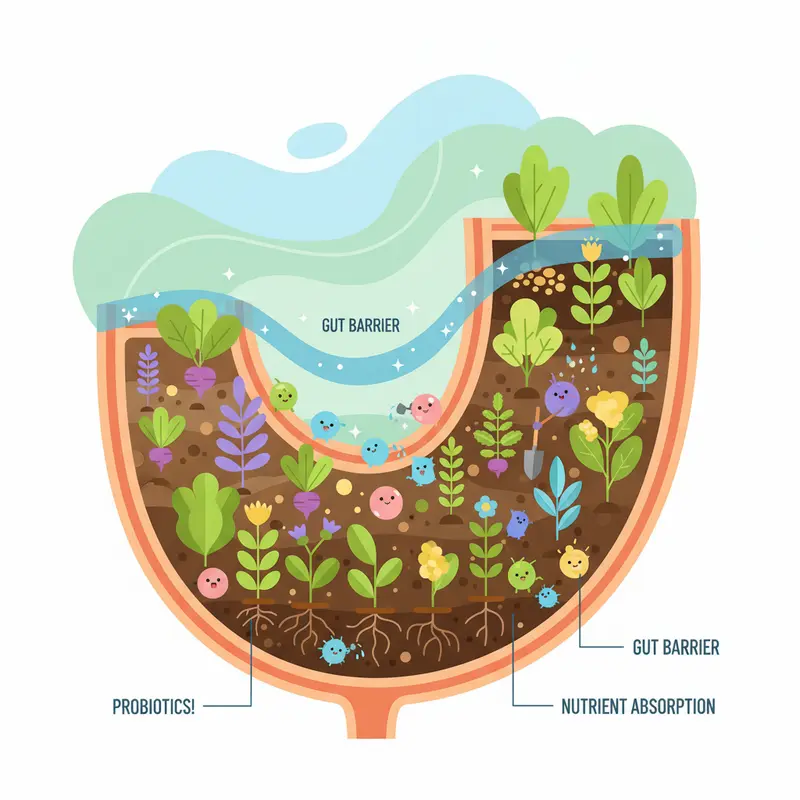
Okay, let’s dive into something that’s been a real game-changer for our family: probiotics and prebiotics. Think of your gut like a little garden. Probiotics? Those are the good guys, the tiny helpers (mostly bacteria!) that move in and keep everything balanced. Prebiotics are like the special fertilizer for those good guys, helping them grow strong and happy. Knowing this really helped me understand how to have a healthy colon and gut more effectively.
Some of my favorite probiotic ‘superheroes’ are Lactobacillus acidophilus, Bifidobacterium longum, and Saccharomyces boulardii. Trust me, these aren’t just fancy names! Studies show these tiny helpers can calm inflammation, keep you regular, and even help your gut bounce back after antibiotics. For prebiotics, I look for things like inulin, FOS, and GOS. These are like delicious snacks for your good gut bacteria, especially the bifidobacteria. They help them make something called butyrate, which is super important for happy colon cells and keeps things generally healthy down there.
So, how much should you take? I’ve found a daily probiotic with 10 to 20 billion CFUs (that’s ‘colony-forming units,’ just means how many live guys are in there!) works well. I try to take ours on an empty stomach, or right before a meal, so those good bacteria have the best chance of making it to the gut. For prebiotics, 3 to 5 grams a day is usually a sweet spot – enough to help, but not so much that it causes any tummy grumbles. Sometimes combining them, what they call ‘synbiotics,’ can be extra powerful for supporting a happy colon and gut.
One big thing I learned: always go for quality! Look for products with third-party seals, so you know what’s on the label is actually in the bottle and that it’s safe. Sometimes, when you first start, you might feel a little gassy or bloated. That’s usually normal as your gut adjusts, so start slow! And if anyone in your family has a compromised immune system, it’s always best to chat with their doctor first before adding supplements.
Efficacy of Probiotics in Irritable Bowel Syndrome: Systematic Review and Meta-analysis.
The relative risk of experiencing any adverse event, in 55 trials, including more than 7000 patients, was not significantly higher with probiotics.
My Go-To Tips for a Happy Gut:
- When you’re picking supplements, check for specific strains and how many CFUs they have. The more info, the better!
- Look for quality seals like USP or NSF. It’s like a stamp of approval.
- Ease into prebiotics! Start small to avoid any discomfort.
- Consider ‘synbiotic’ blends – they combine probiotics and prebiotics for an extra boost to your overall gut health.
Common Probiotic Strains and Prebiotic Sources
Here’s a quick little cheat sheet I keep handy for some common probiotics and prebiotics, and where you can find them in food!
| Name | Type | Health Benefit | Source Food |
|---|---|---|---|
| Lactobacillus acidophilus | Probiotic | Improves digestion and colon health | Yogurt, Kefir |
| Inulin | Prebiotic | Feeds good gut bacteria | Chicory root, garlic |
Daily Habits to Support Healthy Colon and Gut
Beyond supplements, I’ve found these daily habits make a huge difference in how to have a healthy colon and gut for our whole family:
- Fill up on probiotic and prebiotic-rich foods (think yogurt, sauerkraut, garlic!).
- Drink plenty of water. It’s so simple, but so crucial for everything moving smoothly.
- Move your body! Even a quick walk can do wonders for digestion.
- Go easy on processed foods. They’re often sneaky gut-busters.
Honestly, following these simple tips for probiotics, prebiotics, and daily habits has been key to our family’s journey. It’s a truly natural and effective way to achieve and maintain a healthy colon and gut, boosting our digestion, immunity, and overall energy levels. It’s all about creating that happy gut environment!
Health benefits of dietary fiber.
Individuals with high intakes of dietary fiber appear to be at significantly lower risk for developing coronary heart disease, stroke, hypertension, diabetes, obesity, and certain gastrointestinal diseases. Increased intake of soluble fiber improves glycemia and insulin sensitivity in non-diabetic and diabetic individuals.
Conclusion
So, there you have it! How to have a healthy colon and gut really comes down to a few mindful choices: picking the right supplements when you need them, and building simple, healthy habits into your everyday life. It’s not about being perfect, but about taking those small, consistent steps. When you nourish your gut with probiotics, prebiotics, and good habits, you’ll naturally see improvements in digestion, less inflammation, and just feel better all around. Your gut will thank you!
FAQ
Q1: How can I improve my colon health?
A1: I’ve found it’s a mix of things: loading up on foods or supplements with probiotics and prebiotics, drinking tons of water, moving my body, and trying to steer clear of too many processed snacks. It all really helps your colon health!
Q2: How can I repair my colon naturally?
A2: For a natural gut reset, I focus on a diet packed with fiber, probiotics, and prebiotics. Also, managing stress (easier said than done with kids, right?!) and avoiding unnecessary antibiotics are huge for helping your colon heal itself.
Q3: How can I improve my gut and bowel health?
A3: To give my gut and bowel health a real boost, I aim for a varied diet with lots of different fibers, use those awesome probiotic supplements, and make sure to get some regular exercise. It’s all connected!
Q4: What are the symptoms of an unhealthy colon?
A4: If your colon isn’t happy, you might notice things like irregular trips to the bathroom, bloating, tummy aches, or just feeling super tired. If these feelings stick around, please, always chat with a doctor. Mama knows best, but doctors know more!
In conclusion, we found that the dietary fibers or probiotics may relieve hard stool, with intervention-specific changes in gut microbiota relevant to constipation relief.