
Oh, trust me, I’ve been there. You know those days when your tummy just feels… off? For families like ours, especially when someone is managing digestive conditions like Crohn’s or ulcerative colitis, finding the right gut-friendly meals isn’t just a preference—it’s a game-changer. These aren’t just special recipes; they’re our secret weapon, packed with the good stuff our bodies need to feel better, heal, and truly enjoy life.
I’m just a mom in Portland, navigating the kitchen chaos and learning about gut health right alongside you. This article is all about what we’ve discovered: simple, natural, nutrient-packed foods that are kind to the stomach and truly support our overall well-being. Let’s dive into some easy meal ideas that can make a real difference for sensitive tummies.
Table of Contents
- Comprehensive Gut-Friendly Meal Plans Tailored for Specific Digestive Conditions
- Frequently Asked Questions (FAQ)
Finding Our Flow: Tailored Gut-Friendly Meals for Specific Digestive Needs
When digestive conditions like Crohn’s disease or ulcerative colitis become part of your daily life, generic food advice just doesn’t cut it. We quickly learned that managing those uncomfortable symptoms—think abdominal pain, sudden bathroom dashes, or feeling like you’re just not absorbing enough nutrients—means getting really smart about our gut-friendly meal plans. It’s all about making choices that truly minimize symptoms and help our insides heal.
For someone dealing with Crohn’s, for example, we focus on ingredients that are easy on the gut and help calm inflammation. That means lean proteins, gentle cooked veggies like carrots and zucchini, some plain rice, and often, we’ll add in some probiotics to keep those good gut bugs happy. We also make sure there’s enough protein and calories to prevent feeling rundown. Ulcerative colitis calls for similar kindness to the tummy, but we might lean even more heavily on reducing fiber during a flare-up. Think peeled fruits, smooth nut butters, and more refined grains to avoid irritating things further.
Our kitchen has become a bit of a science lab, really! We’ve learned to spot common irritants like super fatty foods, too much coffee, or certain dairy products. Instead, we fill our plates with nutrient powerhouses: foods rich in omega-3s, vitamins D and B12, and soluble fibers. And don’t worry, there’s always room for flexibility! We often swap in lactose-free dairy or plant-based proteins, because keeping things tasty and varied is key to sticking with it.
One of the biggest lessons for us was around how we eat, not just what. Smaller, more frequent meals are a total lifesaver. It’s like giving your digestive system smaller, easier tasks instead of one big, overwhelming job. We try to aim for 4-6 mini-meals throughout the day, always pairing carbs with protein. It helps keep blood sugar steady and gives the gut a chance to do its healing work.
It might sound intense, but honestly, we’ve seen such a difference. Doctors and nutritionists often talk about this, and families like ours confirm it: when we personalize our meal plans, we just feel better. It takes the stress out of eating and turns our food into a powerful tool for feeling good again.
What We’ve Learned: Key Nutrients for a Happy Gut
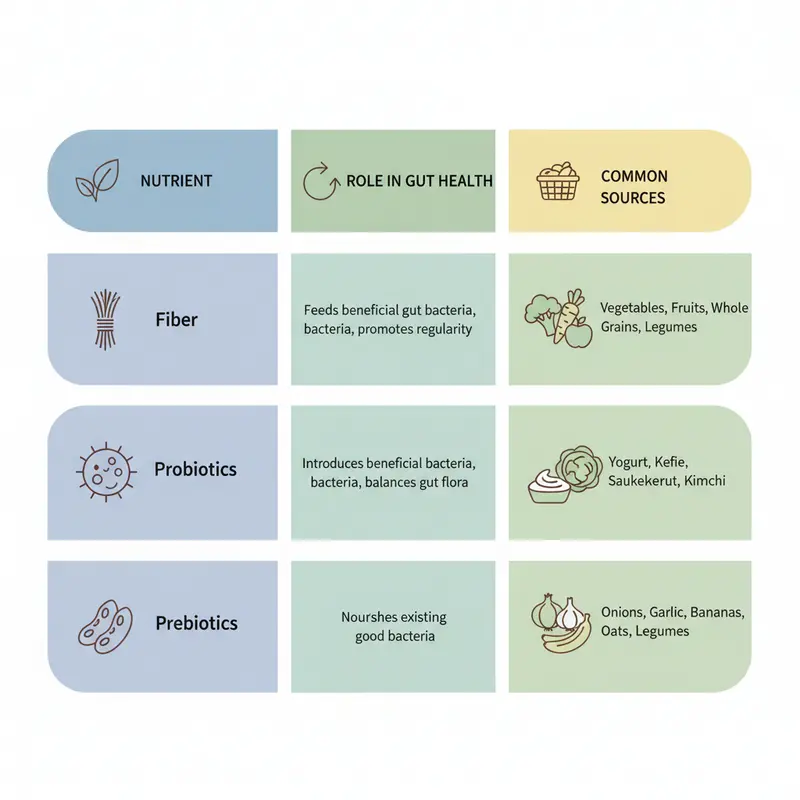
Here’s a little peek at some of the superstars we try to include in our stomach-friendly foods:
| Nutrient | Role in Gut Health | Common Sources |
|---|---|---|
| Fiber | Promotes healthy bowel movements | Vegetables, whole grains, legumes |
| Probiotics | Supports beneficial gut bacteria | Yogurt, fermented foods |
Our Little Cheat Sheet for Creating Gut-Friendly Meal Plans
We use this as a quick reminder when planning our meals:
- Include low-FODMAP ingredients (if that’s right for you!)
- Avoid processed and high-sugar foods
- Incorporate soluble fiber-rich foods
Working with our doctors and a registered dietitian has been amazing. They’ve helped us blend our family’s preferences with solid, science-backed advice. Embracing these personalized gut-friendly meal plans has truly shifted how we manage everything. It’s transformed mealtimes from a source of stress into an empowering way to find relief and restore our family’s well-being. It’s all about taking small steps, not chasing perfection!
Frequently Asked Questions (FAQ)
I know you probably have questions, because I sure did when we started this journey! Here are some common ones that pop up:
Q1: What is the 7 day gut reset?
Oh, the 7-day gut reset! Think of it like a little mini-vacation for your insides. It’s a short-term plan focused on really loading up on gut-friendly meals—lots of fiber, probiotics, and foods that help calm inflammation. The idea is to hit the reset button, help your gut find its balance, and hopefully, dial down those uncomfortable digestive symptoms.
Q2: What meals to eat on a gut cleanse?
When we’re doing a little cleanse or reset, we focus on super gentle, tummy-friendly foods. This often means cooked vegetables, lean proteins, fruits that are easy to digest (like peeled apples or bananas), and those wonderful fermented foods that feed our healthy gut bacteria.
Q3: What food is good for gut problems?
For me, and for anyone with a sensitive tummy, the best foods are rich in soluble fiber (think oats or carrots), full of probiotics (like yogurt or sauerkraut), and packed with omega-3 fatty acids (salmon is a favorite!). We also try to keep processed sugars and anything that might be an irritant to a minimum. It’s all about supporting that delicate balance!
Q4: What meals are gentle on the stomach?
When my kids are feeling a bit off, or I need something really comforting and gentle, we stick to things like white rice, steamed veggies, peeled fruits, and maybe some lactose-free dairy. These are easy-to-digest ingredients that support the stomach without causing extra work.