
Let’s be real, trying to keep our family healthy can feel like a full-time job, right? Especially when you’re trying to cut down on sugar but still want to make sure everyone’s gut is happy and thriving. For me, that’s where the hunt for the perfect sugar-free probiotic began. I wanted all the amazing gut health benefits—those wonderful beneficial bacteria working their magic—without any unnecessary sugar crashes or hidden nasties. If you’re like me, trying to manage blood sugar or just aiming for cleaner nutrition, you know how tricky it can be to find the right balance.
Finding a good sugar-free probiotic means combining those fantastic gut-friendly bacteria with sweeteners that won’t send blood sugar levels soaring. Trust me, I’ve done a lot of label reading in the grocery store aisles! In this little guide, I want to share what I’ve learned about the common sweeteners hiding in these products, how safe they are, and my personal tips for picking a sugar-free probiotic that truly fits your family’s needs.
Let’s Talk Sweeteners: What’s Really in Our Sugar-Free Probiotics (And Are They Safe for Our Guts?)
When I first started diving into the world of sugar-free probiotics, I realized understanding the sweeteners was a huge piece of the puzzle. Especially if you or someone in your family has sensitivities or health conditions like diabetes, knowing what you’re putting into your body is essential. These products often use both artificial and natural sweeteners to make them taste good, all while trying to keep us healthy.
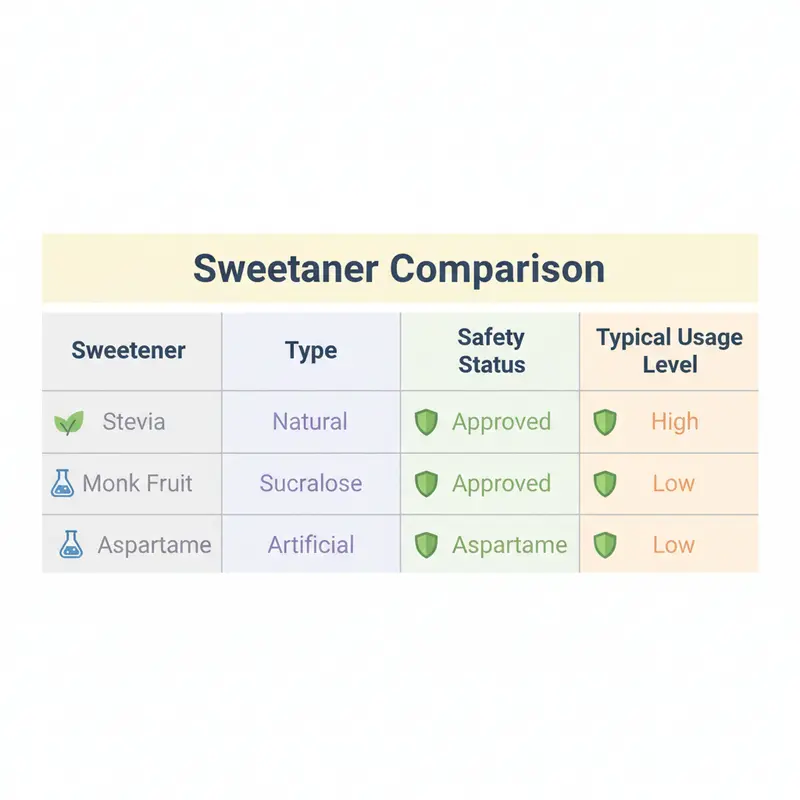
So, what are these mysterious sweet things? We often see stevia, erythritol, and sucralose on the labels of sugar-free probiotics. Stevia, my personal favorite, comes from the Stevia rebaudiana plant. It’s a natural sweetener with zero calories and barely touches blood sugar. Then there’s erythritol, a sugar alcohol that tastes similar to sugar but has a super low glycemic index. Our bodies largely pass it through without absorbing much, which keeps the calorie count low. And finally, sucralose, an artificial sweetener that’s incredibly sweet—about 600 times sweeter than sugar! It’s super stable, which makes it popular in many probiotic formulations.
Now, for the big question: are these even safe? The good news is, big organizations like the FDA and EFSA generally give these sweeteners a “generally recognized as safe” (GRAS) stamp of approval. Studies suggest that stevia and erythritol usually don’t cause many side effects. Sucralose, however, still has some experts looking into its long-term effects on our gut microbes. For folks with sensitivities, or if you’re managing blood sugar, erythritol and stevia are often preferred because they have such a minimal impact on glucose. Some people, myself included, have found sucralose can sometimes cause a little digestive upset.
Let’s be real, reading labels can feel like a chore, but it’s so important! I always tell my friends to look for brands that aren’t shy about what they put in there. High-quality products should clearly list all their sweeteners. This transparency lets us make informed choices, avoid potential triggers, and pick the sugar-free probiotic that aligns with our personal health goals.
Here’s a little tidbit I learned on my journey: Believe it or not, the sweeteners aren’t just for taste! Some, like erythritol, actually help those good beneficial bacteria stay alive and kicking, which is pretty cool. On the flip side, some artificial sweeteners, depending on their chemical makeup, might actually interfere with how well our probiotics work or even mess with our delicate gut microbiome balance. It’s a balancing act, for sure!
So, what’s the takeaway? For me, it boils down to being a bit of a detective. I really try to pick sugar-free probiotics that use natural sweeteners with established safety records and a good track record with those beneficial bacteria. This ingredient-level understanding empowers us to make better decisions, ensuring we get all the good without compromising our overall health.
| Sweetener | Type (Artificial/Natural) | Safety Status | Typical Usage Level |
|---|---|---|---|
| Sucralose | Artificial | FDA-Approved GRAS | <5% by weight |
When I’m standing in the grocery aisle, here’s my mental checklist for picking out the best sugar-free probiotic for our family. It helps me stay focused and not get overwhelmed!
Check for FDA GRAS sweetener status: Is it generally considered safe?
Verify absence of sugar: This sounds obvious, but sometimes “sugar-free” can be sneaky!
Confirm probiotic CFU count: Are there enough good guys to actually make a difference?
Review potential allergens: Especially important with kids!
* Consider preservatives and additives: The simpler, the better, in my book.