
Let’s be real, as a busy mom, I’m always looking for ways to keep my family feeling good. And trust me, I’ve learned that a healthy gut is like the secret sauce for overall wellness and even fighting off those school-year sniffles! We’ve seen that certain vitamins for gut health are absolute game-changers. They’re not just ‘nice-to-haves’; they actually help keep our gut lining strong, balance all those tiny microbes, and make digestion smoother. If you’re trying to figure out which supplements truly support your digestive wellness – without all the hype – you’re in the right place. Let’s dive into some essential gut health vitamins.
Understanding Key Vitamins Essential for Gut Health
So, what exactly are these key gut health vitamins? Well, after a lot of learning (and some trial and error in our own kitchen!), I’ve realized that our gut really relies on a strong lining, a happy balance of good bacteria, and smooth digestion. Guess what? All of this ties back to the vitamins we get! It’s not just about popping any old multivitamin and hoping for the best. Nope, science actually shows that specific vitamins make a real difference to our gut’s structure and the tiny communities living inside. This means we can focus on what truly works.
Vitamin D
Okay, first up is Vitamin D – the sunshine vitamin! I used to think it was just for bones, but turns out, it’s a huge player for our gut, too. Vitamin D really helps keep that protective gut lining strong. It also fine-tunes our immune system and boosts the proteins that literally hold our gut cells together. Pretty neat, right? When we don’t get enough Vitamin D, studies show our gut lining can become a bit ‘leaky,’ and our gut bugs can get out of whack. This can unfortunately make things worse for any tummy troubles we might have.
B-Complex Vitamins
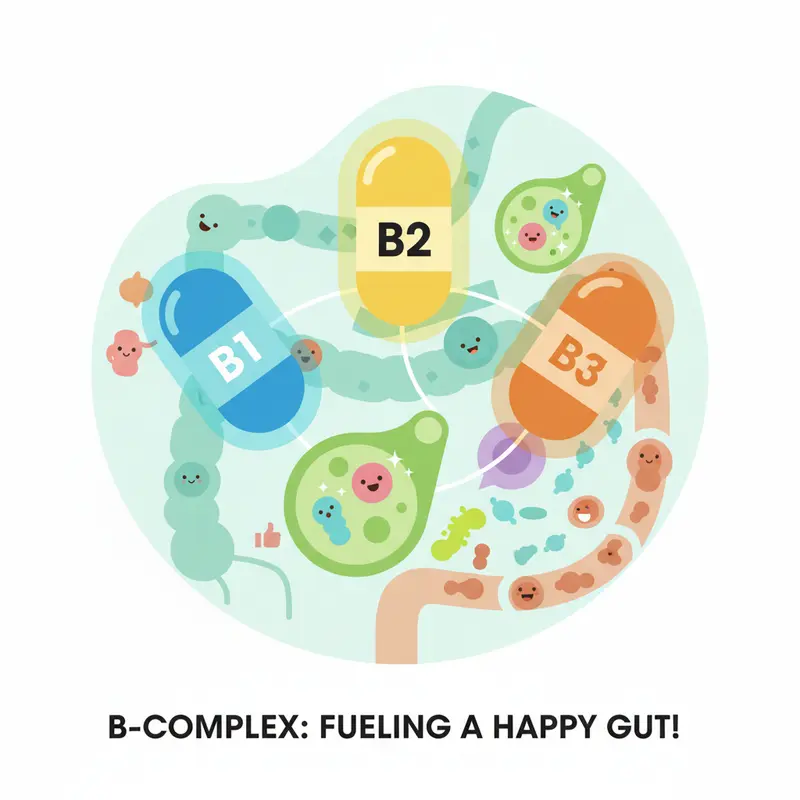
Next, we have the B-Complex vitamins. Think of these as the little energy workers for our gut cells. Especially B1 (Thiamine), B2 (Riboflavin), and B3 (Niacin) – they’re super important for helping our gut lining get the energy it needs to function properly. Plus, these vitamins help produce important compounds that keep our gut microbes happy and balanced. I’ve read that taking B vitamins can even help things move along better and encourage a wider variety of good bacteria in our tummies. It’s like they’re helping the whole gut ecosystem thrive!
Vitamin A
Then there’s Vitamin A. This one is like our gut’s personal bodyguard and repair crew! It really boosts our gut’s immune system and helps those gut lining cells regenerate. Vitamin A is also key in managing our gut’s immune defenses and encourages the creation of special antibodies, called IgA, which keep our gut bacteria in check. What I’ve learned is that not getting enough Vitamin A can actually weaken our gut’s defenses and mess with those important microbial communities. So, it’s definitely a team player for strong gut support.
Fat-Soluble vs Water-Soluble Vitamins
Okay, a quick little science-y bit here, but trust me, it’s helpful! We have two main types of gut health vitamins: fat-soluble (like A, D, E, and K) and water-soluble (like the B-Complex and C). Fat-soluble vitamins get absorbed with the fats we eat and hang around in our bodies for a bit longer. Water-soluble ones, however, get used up or flushed out pretty quickly, so we need to replenish them regularly. This difference actually means they impact our gut health and those tiny microbes in different ways. The fat-soluble ones can have more lasting effects, while the water-soluble ones are busy supporting our gut’s daily hustle and bustle.
Misconceptions
Now, let’s clear up a few things. It’s easy to think all vitamins are magic bullets for our gut, but that’s not quite true! Not every single vitamin directly helps our gut, and their effectiveness really depends on whether you actually need them and how well your body can absorb them. More isn’t always better, either. Taking too many vitamins for gut health can actually throw off your gut balance, which we definitely don’t want! So, I’ve learned that getting a personalized plan, maybe even with some testing, really gives the best results. It’s all about what your body truly needs.
Key Vitamins and Their Roles in Gut Health
Alright, so we’ve talked about a few of the big players. To make it super easy, here’s a quick look at some of the top vitamins for gut health and what they do. This little snapshot helped me when I was first trying to figure out how to best support our family’s digestive wellness. Remember, vitamins like D and B-Complex have specific jobs to keep our gut barrier strong and our microbes balanced. Knowing this helps us make smarter choices for our tummies!
| Vitamin | Primary Gut Health Role | Recommended Daily Intake (RDI) | Common Food Sources |
|---|---|---|---|
| Vitamin D | Modulates gut microbiota diversity | 600 IU | Fatty fish, fortified milk |
| B-Complex Vitamins | Supports gut barrier function and energy metabolism | Varies by type; e.g. B12: 2.4 mcg | Meat, eggs, leafy greens |
Checklist for Selecting Gut Health Vitamin Supplements
So, once you know which gut health vitamins you’re looking for, how do you pick the right supplement? It can feel overwhelming, right? Here’s a little checklist I use that helps me navigate the options. Think of it as your shopping guide for good gut support:
- Assess ingredient quality: Always look for high-quality ingredients.
- Check scientific backing of claims: Make sure there’s actual research behind what they promise.
- Verify dosage levels: Ensure the dosage is appropriate for your needs.
- Evaluate bioavailability: This just means making sure your body can actually use the vitamin!
- Read customer reviews: Real-life experiences can tell you a lot.
Conclusion
Phew! We’ve covered a lot, haven’t we? For me, finding the right vitamins for gut health isn’t about chasing the latest fad or grabbing the prettiest bottle. It’s really about understanding what truly helps our gut lining, boosts our immune system, and keeps those tiny microbes in harmony. Vitamins D, B-Complex, and A have consistently shown up as the real MVPs here. So, let’s keep it simple: choose quality, get the right amount, and know that you’re taking thoughtful steps to support your whole family’s digestive wellness naturally and safely. You got this!
FAQ
Which vitamin is best for gut health?
Honestly, there isn’t just one ‘best’ vitamin, but a few stand out as amazing helpers for our gut! From what I’ve learned, Vitamin D, the B-Complex gang (especially B1, B2, and B3), and Vitamin A really shine. They’re all super effective at keeping our gut lining strong and our gut bugs happy and balanced.
What are the symptoms of an unhealthy gut?
Oh, the signs of an unhappy gut can show up in so many ways! We’ve noticed things like bloating, tummy aches, feeling tired all the time, or even catching every little bug that goes around. These can definitely be clues that our gut microbes might be a bit out of whack or that there’s some inflammation brewing.
What is the 14-day gut reset?
The ’14-day gut reset’ is basically a focused two-week plan. It often involves changing your diet (sometimes cutting out certain foods for a bit), adding in good probiotics, and making sure you’re getting key vitamins for gut health. The idea is to give your gut a little vacation and help it rebalance itself.
What is best to heal your gut?
To really heal your gut, I’ve found it’s all about the basics: a colorful, balanced diet packed with fiber, good probiotics, and those superstar gut health vitamins like D, B-Complex, and A. But don’t forget the lifestyle stuff too – enough sleep, managing stress, and moving your body. It’s truly a holistic approach for happy guts!