
Understanding What Causes Rot Gut: My Mom-Friendly Version
You know that feeling? When your stomach just isn’t right after a night out, especially if you maybe, just maybe, indulged in something a little… questionable? Yeah, my friends and I call that ‘rot gut’ sometimes. And trust me, after a few too many times wondering what causes rot gut, I decided to do a little digging – not like a scientist, just a mom trying to understand what’s happening inside! Turns out, it’s mostly about how those not-so-great alcohols mess with our insides. Knowing this helps us figure out how to protect our happy gut.
So, let’s talk about what causes rot gut on a deeper level – but in my language, not a textbook’s! From what I gather, it’s when our digestive system gets grumpy and damaged because of those nasty toxins lurking in low-quality alcohol. This whole process kicks off a chain reaction of unwelcome changes that really throw our gut out of whack.
First up, our amazing liver! When we drink alcohol, our liver works super hard to process it. During this process, it creates something called acetaldehyde. Think of it like a tiny wrecking ball for your gut lining – it’s really irritating and can cause a lot of stress. And here’s the kicker: those cheaper, ‘bargain bin’ alcohols aren’t just pure ethanol. They often come with extra ‘friends’ like methanol or fusel oils. These are like extra bad weeds in our gut garden, just making everything worse and really dialing up that gut distress.
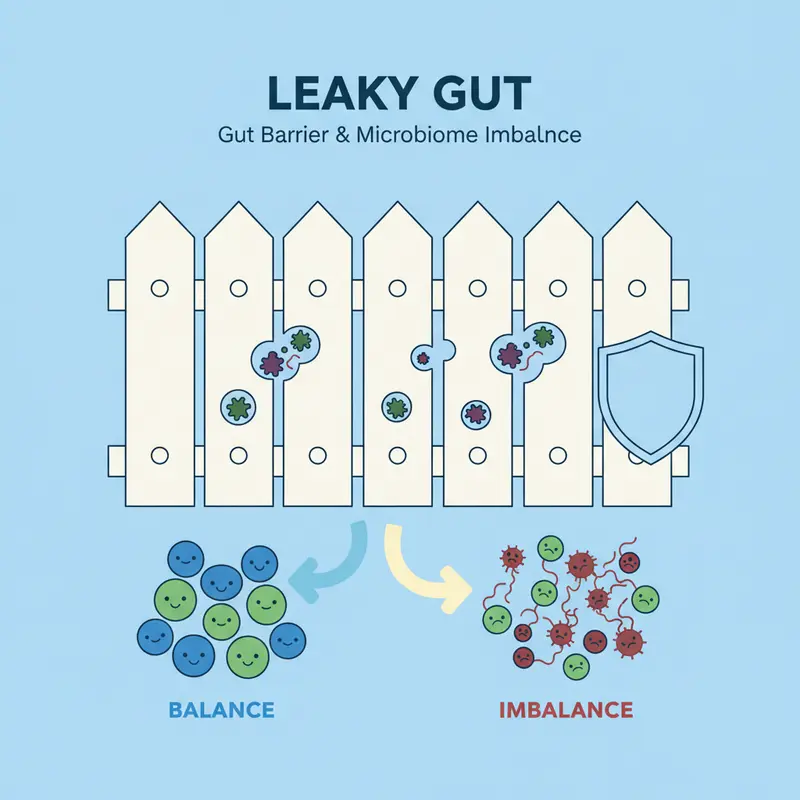
These uninvited toxins don’t just annoy our gut; they actually make it ‘leaky.’ Imagine your garden fence having holes – suddenly all sorts of unwelcome things can sneak in! This means harmful stuff can get out of our gut and into our whole system, causing inflammation everywhere. Our gut bugs, those tiny helpers that keep us healthy, are especially vulnerable. Drinking poor-quality alcohol can really mess up their balance, letting the bad bugs take over. This imbalance, called dysbiosis, just makes the inflammation worse and makes it harder for our gut to heal. It’s a real recipe for an unhappy gut.
When all these things are happening, our bodies show signs of inflammation. This is why we feel those classic rot gut symptoms like tummy aches, feeling queasy, and, ahem, needing to make a lot of trips to the bathroom. It seems that regular exposure to these toxic byproducts just keeps the damage going and causes more inflammation throughout our body.
So, in a nutshell, the real reasons behind what causes rot gut boil down to the nasty interactions between alcohol’s breakdown products and how our gut reacts. Those toxins from not-so-great alcohols set off a cascade of problems, from messing with our metabolism to throwing off our gut bugs, all leading to inflammation and damage. Understanding this helps us deal with rot gut not just by treating the symptoms, but by getting to the root of the problem.
Common Symptoms and What’s Happening Inside
If you’re wondering what some of the signs are, and what might be going on behind the scenes, here’s a little peek:
| Symptom | Biochemical Marker | Measurement Method | Associated Condition |
|---|---|---|---|
| Bloating | Zonulin | Blood test | Leaky Gut Syndrome |
| Stomach Pain | Gastric acid levels | Gastric pH test | Gastritis |
Easy Steps for a Happier Gut
What can we do to keep our gut happy and avoid what causes rot gut in the first place? Here are a couple of things that seem to really help:
- Eat a balanced diet, full of yummy fiber.
- Don’t go overboard with alcohol – everything in moderation!
In conclusion, we found that the dietary fibers or probiotics may relieve hard stool, with intervention-specific changes in gut microbiota relevant to constipation relief.
Case Study Example: When Gut Bugs Go Wild and Cause Rot Gut
Here’s an example that shows how much those tiny gut bugs matter:
| Patient Age | Symptoms | Microbiome Findings | Intervention |
|---|---|---|---|
| 35 | Bloating, diarrhea | Reduced microbiome diversity | Probiotic supplementation and dietary changes |
So, at the end of the day, that yucky ‘rot gut’ feeling isn’t just in your head. It’s our body telling us that something’s off because of those toxic bits in poorer quality alcohol. Recognizing what causes rot gut and its symptoms helps us make smarter choices, right? By taking small steps, like eating well and being mindful of our drinks, we can really cut down on the risk and keep our digestive system humming along happily.
FAQ – Let’s Chat About Rot Gut!
How do you get rid of Rot Gut?
If you’re already feeling the pangs of rot gut, what can you do? First, ditch the low-quality alcohol. Then, focus on nurturing your gut with a healthy, fiber-rich diet and maybe some probiotics to help balance your gut bugs. Sometimes, if it’s really bad, a chat with your doctor might be a good idea.
How do you know if you have Rot Gut?
Common signs include feeling bloated, having stomach pain, nausea, and diarrhea. Your body might also be showing less obvious signs of gut damage, like elevated zonulin levels (which your doctor could test for).
What foods are good for Rot Gut?
Think gut-loving foods! Lots of fiber, fermented goodies like yogurt and kefir, and anything that helps those beneficial gut bugs thrive. Your gut will thank you!
Why does my gut feel rotten?
Ever wonder, “Why does my gut feel so rotten?” It’s often a signal that there’s inflammation, an imbalance in your gut microbes, or irritation from toxins – usually from not-so-great alcohol or unhealthy eating habits. It’s your body’s way of saying, “Hey, something’s not right down here!”
Dietary fibre in gastrointestinal health and disease.
Epidemiological studies have consistently demonstrated the benefits of dietary fibre on gastrointestinal health through consumption of unrefined whole foods, such as wholegrains, legumes, vegetables and fruits. Mechanistic studies and clinical trials on isolated and extracted fibres have demonstrated promising regulatory effects on the gut (for example, digestion and absorption, transit time, stool formation) and microbial effects (changes in gut microbiota composition and fermentation metabolites) that have important implications for gastrointestinal disorders.